
Plastic Pyrolysis Could Serve as Alternative Fuel Source
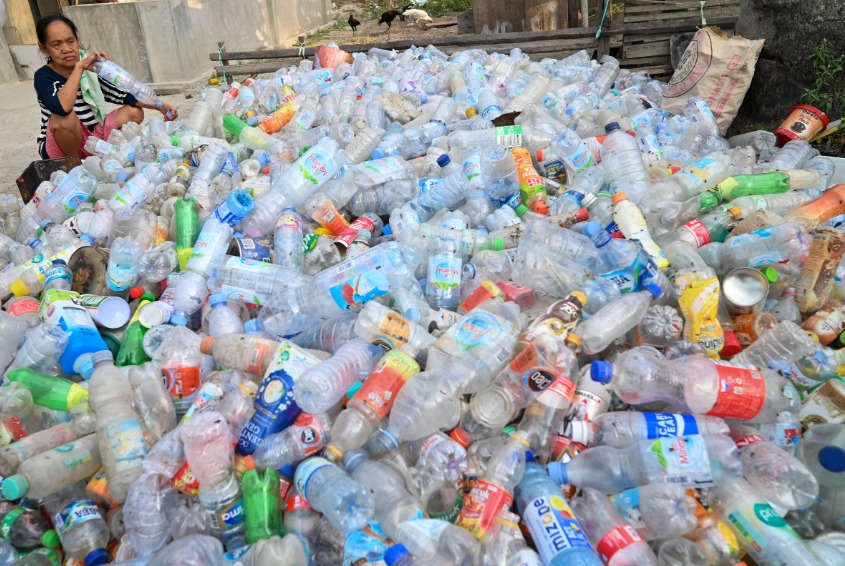
Leopold Oscar, a lecturer in Mechanical and Biosystems Engineering at IPB University, stated that scientifically, plastic waste can be processed into liquid fuel through pyrolysis technology.
Pyrolysis is a thermochemical decomposition process of materials at high temperatures under minimal or oxygen-free conditions. In this process, plastic is broken down into various products including gas, liquid, and solid residue. The resulting liquid product has the potential to be developed into fuel, although it still requires further processing stages.
“The characteristics of the oil produced from pyrolysis are heavily influenced by the type of plastic used as raw material,” Leopold said in a statement on Wednesday.
He explained that plastics such as polyethylene (PE) and polypropylene (PP) tend to produce hydrocarbon compounds more suitable for fuel. Conversely, other types of plastic, such as polyethylene terephthalate (PET) and polyvinyl chloride (PVC), produce different compounds that are corrosive or pose environmental risks, making them less ideal for fuel potential.
In addition to the type of plastic, product quality is also determined by various process factors, such as operating temperature, heating, the use of catalysts, and the pre-treatment stage of the raw materials.
Therefore, Dr Leopold explained that pyrolysis oil cannot yet be used directly as commercial diesel. The product must still undergo purification, distillation, and cracking processes to meet the quality standards of diesel fuel.
“If it is eventually marketed to the public, aspects of quality and safety must be the top priority. From the sorting of raw materials and production process control to the testing of the final product quality, everything must be performed consistently. On the other hand, Indonesia also requires clear regulations regarding the standards for raw materials, production processes, and the quality of the resulting products,” he elaborated.
From an environmental perspective, utilising plastic waste as fuel can serve as an alternative to reduce the accumulation of non-biodegradable waste. This approach aligns with the concept of a circular economy by adding value to previously unutilised waste.
Nevertheless, Dr Leopold emphasised that this technology needs to be viewed comprehensively. The main challenges currently involve increasing process efficiency, ensuring economic feasibility, and guaranteeing that operations are environmentally safe.