
Plastic Prices Surge, Reusable Packaging Emerges as Alternative
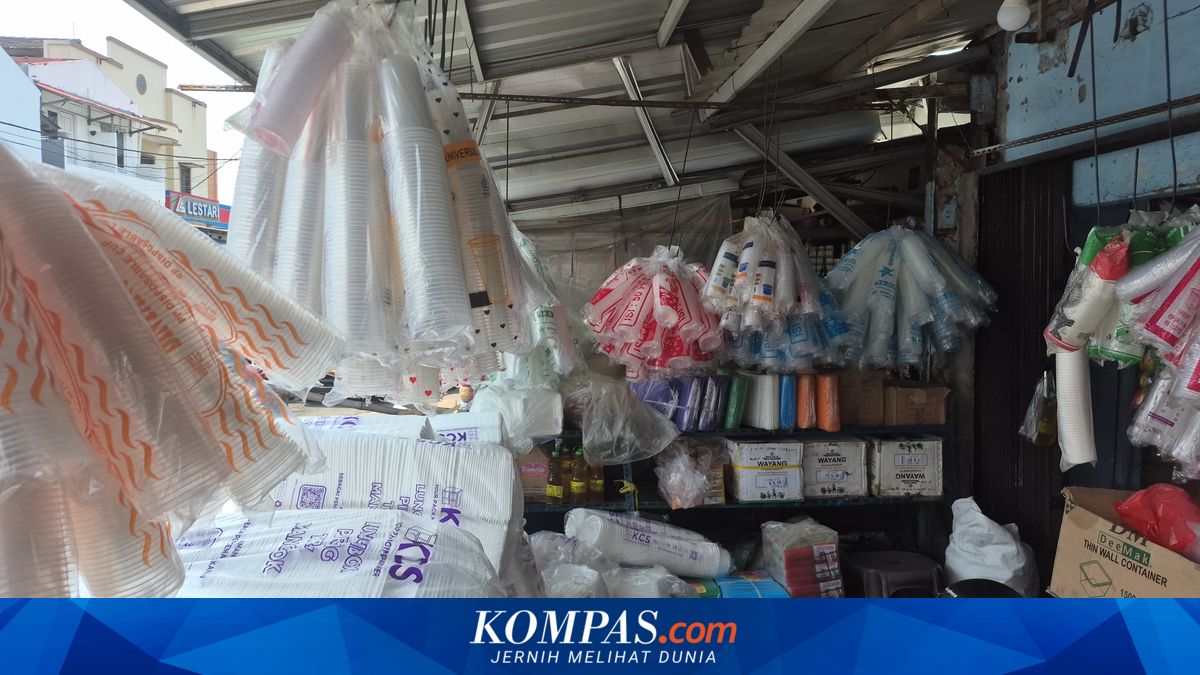
JAKARTA — The rise in plastic raw material prices over the past few months has begun to pressure various industrial sectors domestically. This surge in plastic prices is triggered by global oil price pressures, supply chain disruptions, and ongoing geopolitical uncertainties. The impact is not only felt by the manufacturing and packaging industries but also extends to food and beverage producers and micro, small, and medium enterprises (MSMEs) that depend on plastic usage. This situation presents a particular challenge, especially for MSMEs with limited capacity to adjust production costs. On the other hand, environmental issues related to plastic waste continue to draw attention from the government, both at central and regional levels. The volume of waste is steadily increasing with population growth and consumption, exacerbating the national waste management burden. In 2019, plastic waste amounted to around 9 to 10 million tonnes. This figure rose to 10.8 million tonnes in 2020, then 11.6 million tonnes in 2022, 12 million tonnes in 2023, and is projected to reach 12.4 million tonnes in 2025. Thus, there has been an increase of about 20 to 30 percent over five years. The growth in waste volume is said to outpace the capacity of the management system. In this context, reusable packaging is beginning to be viewed as one alternative solution. Products like reusable gallons or refillable packaging for household needs are considered to have advantages in terms of cost and environmental impact. Andre Donas, a Communication Practitioner and Lecturer in Advertising at the Politeknik Negeri Media Kreatif (Polimedia), noted that consumer preference for reusable packaging remains steady. “Some observations show that consumers continue to choose reusable gallons in their daily activities for household and workplace needs,” said Andre in his statement on Tuesday (14/4/2026).