
Plastic Prices Surge, Puan Urges Use of Organic Packaging Materials
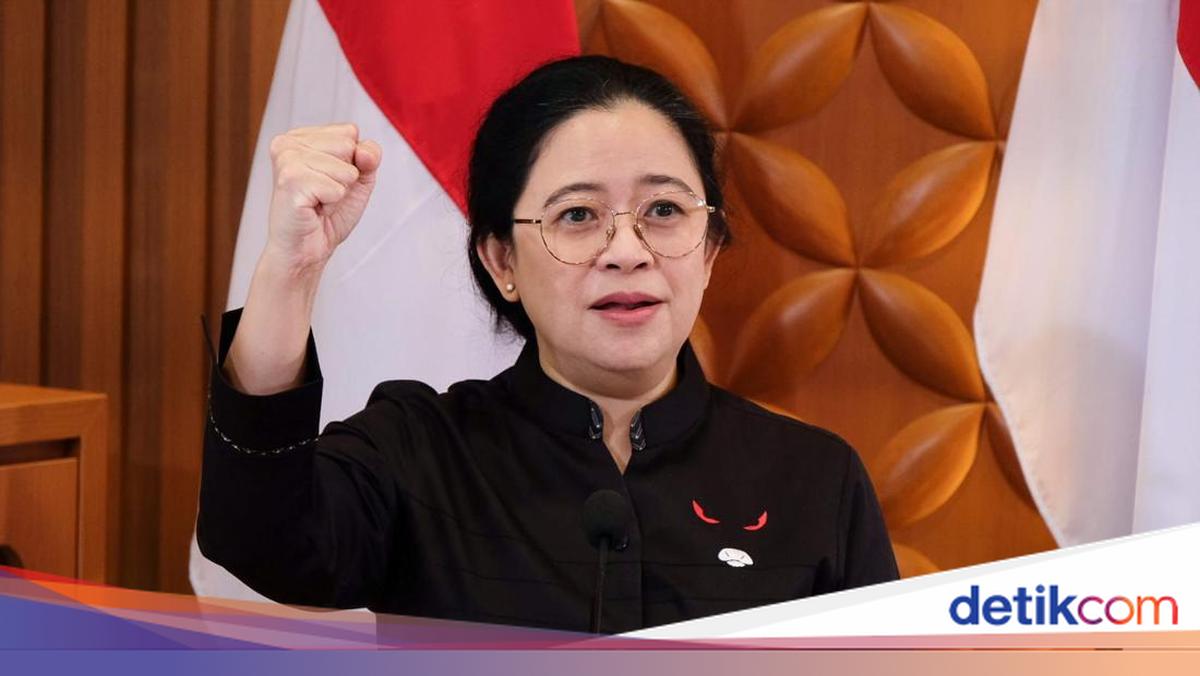
House of Representatives Speaker Puan Maharani views the spike in plastic prices reaching 30 to 80 per cent as a momentum to switch to natural material packaging. She encourages business actors, especially SMEs, to once again utilise local wisdom such as banana leaves or teak leaves as wrappers.
“Although plastic is needed in daily life due to its practicality, we all know its ecological burden is very high. Therefore, the rise in plastic prices can become a momentum for us to shift to a green economy,” said Puan in her statement on Wednesday (15/4/2026).
As is known, the surge in plastic prices is triggered by global geopolitical conflicts disrupting the supply chain. The domestic industry’s dependence on imported raw materials reaching 60 per cent makes the situation even more burdensome, especially for SMEs in the food and beverage sector.
“Soaring plastic prices up to several times over and supplies starting to be difficult to obtain are causing small business actors who have been operating with limited profits to face increasing economic difficulties,” she explained.
Puan also encourages the use of natural packaging as commonly found in various regions. In Central Java, for example, sellers of nasi liwet, gudeg, and mi lethek have long used leaves as wrappers.
Even for certain types of food like lontong and lemper, banana leaf packaging is considered more effective because it can make the food last longer while also adding aroma.
“In our ancestors’ time, the use of natural material packaging like leaves was the main alternative. Food or staple traders can return to using environmentally friendly packaging like that,” she stated.
Puan mentioned that organic packaging not only helps business actors reduce production costs but can also boost selling value.
“By using organic material packaging, business actors can not only avoid economic pressure due to high imported raw material costs but also add selling value,” Puan revealed.
“Including from the aspect of its uniqueness which can become an attraction for some segments of society to buy,” she added.
Puan also links this issue to the global environmental agenda. The UNEP report notes that plastic waste equivalent to 2,000 trucks is dumped into the sea, rivers, and lakes every day, with 19 to 23 million tonnes of plastic waste polluting water ecosystems every year.
“So our spirit here is, while plastic prices are high, we can look for alternative packaging uses, which at the same time reduce plastic waste,” said Puan.
She acknowledges that changing habits cannot happen overnight. Puan suggests starting the change from small steps.
“Perhaps it can start from restaurants not using single-use plastic containers when serving food and drinks for dine-in purchases,” she said.
Puan emphasised that the government’s role is very much needed in this transition, from regulations, support systems, to massive socialisation.
“Basically, society will adapt to existing habits. If the system supports it, I am confident it is not impossible for organic materials to replace single-use plastic packaging,” she stated.
For that, Puan encourages the Ministry of Environment and Forestry, Ministry of Agriculture, Ministry of Trade, and Ministry of Creative Economy to collaborate in finding alternative packaging solutions for business actors.
“The government needs to provide support and facilitate community needs for alternative packaging, especially for business actors and consumers. We in the DPR will participate in oversight according to the council’s duties and authority,” she concluded.