
Plastic Prices Soar, Industry Urged to Build Resilience Against Global Pressures
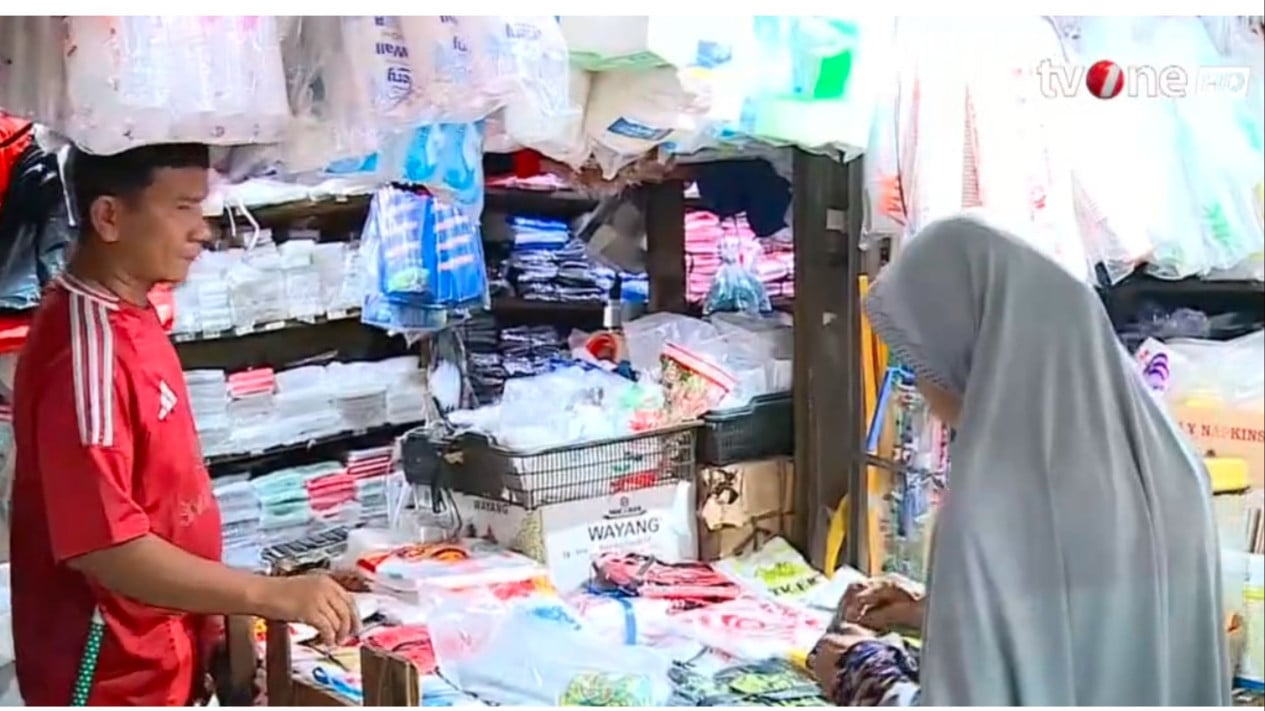
The soaring plastic prices in recent times serve as a strong signal of pressures on the global raw material supply chain. Plastic is no longer merely an environmental issue but has evolved into an economic and operational challenge for various industrial sectors. Coordinating Minister for Food Affairs, Zulkifli Hasan (Zulhas), has spoken out on the significant rise in plastic prices. He stated that the price increase is triggered by disruptions in raw material supplies, which directly impact availability and distribution in the market. This situation is now being felt by business actors, as the rise in raw material costs has the potential to erode margins and increase production cost pressures. Meanwhile, Researcher from the Center of Reform on Economics (CORE) Indonesia, Yusuf Rendy Manilet, views plastic as an intermediate commodity that supports many industrial sectors. When its supply is disrupted, the impact is not only felt at the producer level but also has the potential to spread to consumers through price increases in products and pressure on purchasing power. For consumers, this condition could directly affect the prices and availability of everyday products that use plastic packaging. “Generally, production cost increases at the industrial level will be passed on to selling prices, thus encouraging society to become more selective in choosing products, including considering more efficient consumption alternatives that do not rely on new plastic,” he said. Several business actors, including those in the small and medium enterprises sector, are also beginning to feel this pressure, as the rise in packaging raw material prices has the potential to reduce business margins if not offset by selling price adjustments. This situation is prompting business actors to start viewing dependence on new plastic as a risk factor that needs to be managed more strategically, not only from a cost perspective but also supply sustainability. Along with that, approaches to packaging usage are beginning to shift. Models based on new production (single-use) are considered increasingly vulnerable to global dynamics, thus driving the need for more efficient and adaptive systems, such as reuse and refill.