
Plastic Prices Soar, Industry Players Speak Out
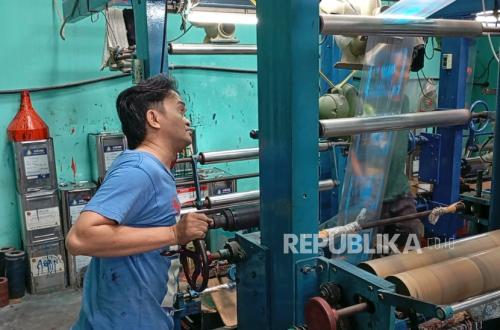
REPUBLIKA.CO.ID, BANDUNG — Plastic industry players in the Cibuntu tofu centre area, Bandung City, West Java, are complaining about the price of raw material plastic pellets, which has risen up to twice as much. In addition, they are also facing difficulties in obtaining stocks of that raw material.
One of the plastic factory employees in Cibuntu, Riska Sri Hartati, said the price of plastic packaging has increased from Rp50,000 per kilogram to Rp60,000 per kilogram. She stated that the plastic price increase is influenced by the impact of the Iran-America war.
“Currently, plastic prices are rising. From around less than Rp50,000, now it can be more and the highest around Rp60,000 or more,” she said on Tuesday (31/3/2026).
She explained that under normal conditions, the price of plastic packaging per kilogram is around Rp30,000 to Rp40,000. This price increase impacts production and causes consumers to buy in smaller quantities.
“Yes, almost 100 percent. Many consumers are complaining about the price,” she said.
She continued that currently, business actors are also having difficulty obtaining plastic pellet raw materials. Riska said those plastic pellets are obtained through imports.
“Now the materials are hard to get because of many incidents. So everywhere is facing material shortages. These plastic pellets are imported,” she said.
She mentioned that two tonnes of plastic pellets can be used for production needs for one week. Riska said that before the conflict, the price of two tonnes of plastic pellets was around Rp40 million.
However, after the conflict, the price has increased to Rp80 million. “Yes, the increase is double,” she said.
She said that they often look for plastic pellet suppliers with cheaper prices. Currently, the factory still has stock, but in limited quantities.
Meanwhile, domestic plastic pellet industry players mostly produce materials from recycling. However, according to her, the quality is considered not good.
“(Recycled) not good, because it comes from leftover materials that are ground again. This one is really original material,” she said.