
Plastic Prices Rise, Time to Change Habits
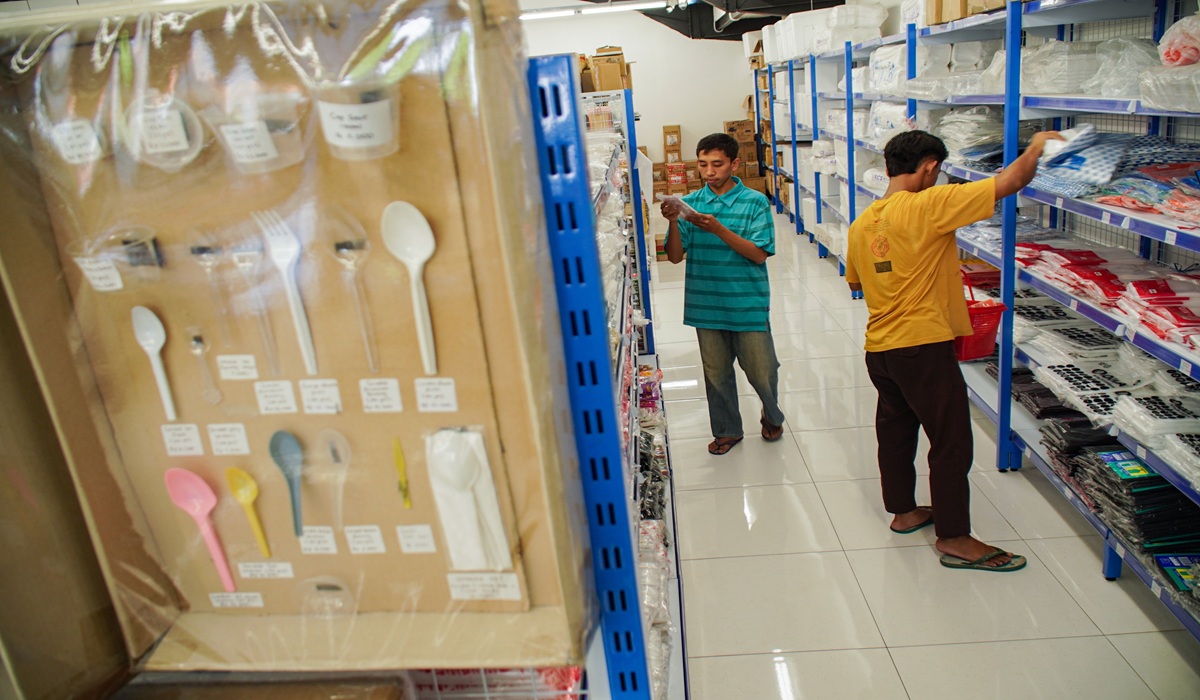
The government faces a policy dilemma with no truly comfortable solution.
Rising plastic prices, triggered by the Iran-Israel-US conflict disrupting raw material supplies, could serve as a momentum to change habits regarding single-use plastic usage.
Tiza Mafira from the Indonesia Plastic Bag Diet Movement stated that plastic has long been provided free to consumers, despite costs subsidised by traders.
“Plastic has a price, but it is not visible because it is always subsidised by traders and given free to consumers,” she said in Jakarta on Wednesday (8/4).
The price increase has become a complaint for many small and medium-sized enterprises. Meanwhile, she noted that retail businesses had already stopped using single-use plastics earlier.
She pointed out a difference in consumer behaviour when shopping at supermarkets versus traditional markets.
Many consumers bring their own shopping bags to supermarkets. However, this behaviour is not applied in markets.
“Because market traders still provide (plastic), it means it is not because consumers cannot change,” she said.
She stated that the rise in plastic prices could be a momentum for micro, small, and medium enterprises to stop providing plastic to consumers.
The cost of plastic bags used by food traders can be passed on to consumers, or traders can offer normal prices if consumers bring their own containers. (Ant/H-4)
Microscopic plastic particles in rainwater originate from synthetic clothing fibres, vehicle dust, to remnants of plastic waste burning that float in the air and return with rainwater.
Bali Governor Wayan Koster has asked malls not to sell, produce, or distribute single-use plastics under Bali Provincial Regulation Number 97 of 2018 on Limiting Single-Use Plastic Waste Generation.
Enviu Zero Waste has built around nine solutions and startups, including Alner, which provides a reuse system for daily needs such as soap, shampoo, and detergent.
The Ministry of Environment and Forestry is also encouraging companies to take responsibility through the Extended Producer Responsibility (EPR) scheme, where producers are obligated to manage the remnants of their product packaging.
Academics and public policy observers from Undiknas Denpasar, I Nyoman Subanda, revealed that policies to reduce plastic waste should be preceded by studies.