
Plastic Prices Rise, Industry Urged to Reduce Dependence
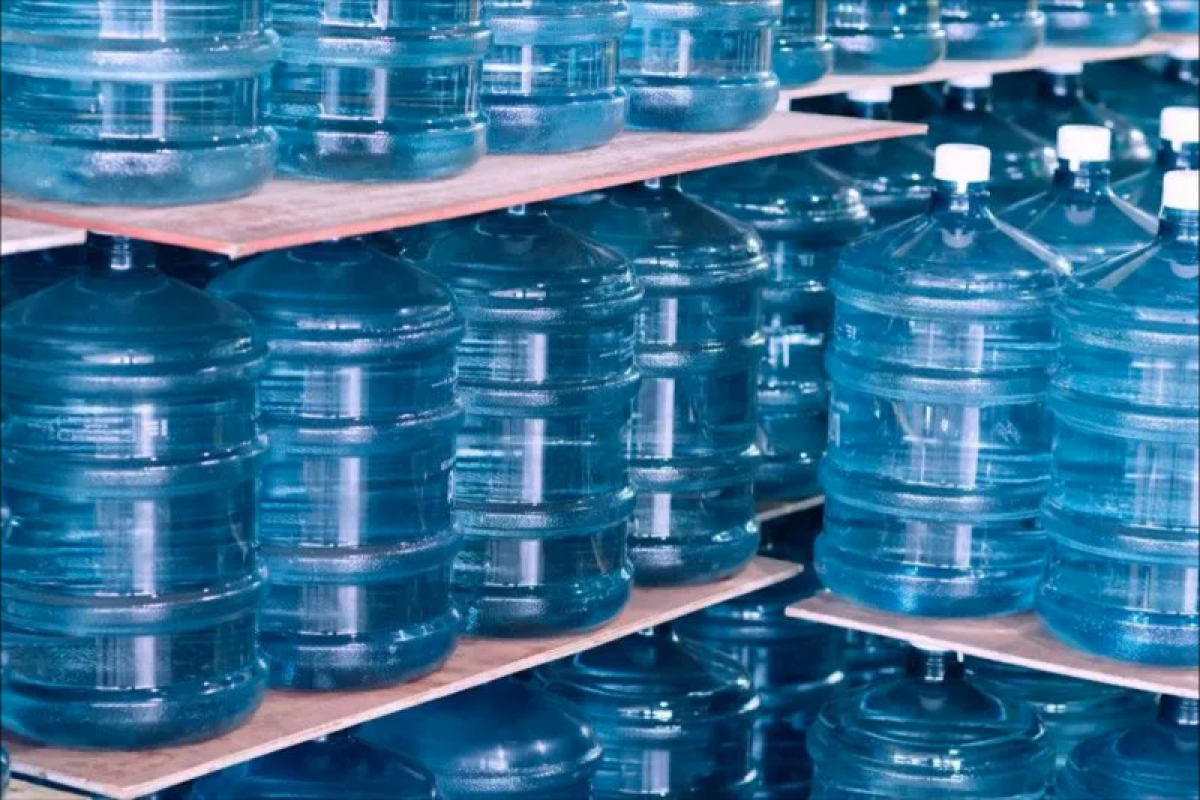
The government faces a policy dilemma with no truly comfortable options. The rise in plastic prices over recent times serves as an indicator of increasing pressure on the global supply chain for raw materials. This situation simultaneously confirms that plastic is now not just an environmental issue, but also an economic challenge for industry.
Coordinating Minister for Food Affairs, Zulkifli Hasan, stated that the spike in plastic prices was triggered by supply disruptions of raw materials, which directly impacts distribution and availability in the market. This condition is beginning to be felt by business actors because the increase in raw material costs has the potential to pressure margins and raise production costs.
A researcher from the Center of Reform on Economics, Yusuf Rendy Manilet, assessed that plastic is an intermediate commodity that supports many industrial sectors. Supply disruptions could potentially cause a chain effect all the way to consumers through price increases in products and pressure on purchasing power.
For the public, the impact is starting to be seen in the potential rise in prices of everyday products that use plastic packaging. Increases in production costs at the industrial level are generally passed on to selling prices.
On the business actors’ side, especially SMEs, the pressure on packaging raw material prices becomes a serious challenge because it risks eroding margins if not balanced by price adjustments. This situation is pushing industry to begin managing dependence on new plastic as a strategic risk, not only from a cost perspective, but also supply sustainability.
Along with that, the approach to packaging use is shifting from a single-use model to a more efficient system such as reuse and refill, which is considered more adaptive to global dynamics.
One example of implementation is seen in Air Minum Biru, which has developed a refill-based distribution system using customer-owned gallons. Director of PT Biru Semesta Abadi, Yantje Wongso, stated that the reuse-based business model makes the company more resilient to fluctuations in plastic prices and supply.
‘System resilience is key. The model that minimises dependence on new plastic makes us more adaptive to supply chain changes,’ he said.
He added that the reuse and refill approach not only provides environmental benefits, but also creates a more stable operational system.
‘When supply and prices are uncertain, resource use efficiency becomes an advantage. Reuse and refill are long-term solutions,’ he said.
With ongoing global pressures, industry players are expected to be increasingly encouraged to build more resilient systems, including through a circular economy approach. This change marks an important shift in industry, from dependence on new plastic to a more efficient, sustainable, and adaptive model in response to global supply chain dynamics.
The Minister of Industry (Menperin) Agus Gumiwang Kartasasmita has spoken out regarding the rise in plastic prices that is now haunting business actors and the public as consumers.
State-owned company Bulog ensures the availability of rice packaging remains safe amid concerns over plastic raw material shortages due to global geopolitical dynamics.
The surge in global plastic raw material prices, triggered by economic uncertainty and Middle East conflicts, is starting to be felt down to retail traders in Makassar City, South Sulawesi.
Plastic prices in Central Java have risen by up to 100%. The Central Java Industry and Trade Office encourages business actors to switch to environmentally friendly concepts and diversify export markets.
The rise in plastic prices is making micro, small, and medium enterprises (MSMEs) struggle to maintain business operations.
The Minister of Industry (Menperin) Agus Gumiwang Kartasasmita has spoken out regarding the rise in plastic prices that is now haunting business actors and the public as consumers.
The plastic industry in Tasikmalaya City is beginning to feel serious impacts from the heating up of geopolitical conflicts in the Middle East involving the United States, Israel, and Iran.
Plastic prices at the Traditional Market in Depok City have surged 100% due to Middle East conflicts. The rise in naphtha prices impacts MSMEs and cooking oil prices.
The surge in global plastic raw material prices, triggered by economic uncertainty and Middle East conflicts, is starting to be felt down to retail traders in Makassar City, South Sulawesi.
The war between the United States-Israel and Iran is impacting the soaring prices of various types of plastic in Indonesia, including in Bangka Belitung Province (Babel).