
Plastic Prices Rise, Association: Strait of Hormuz Closed, Raw Materials Cannot Be Shipped...
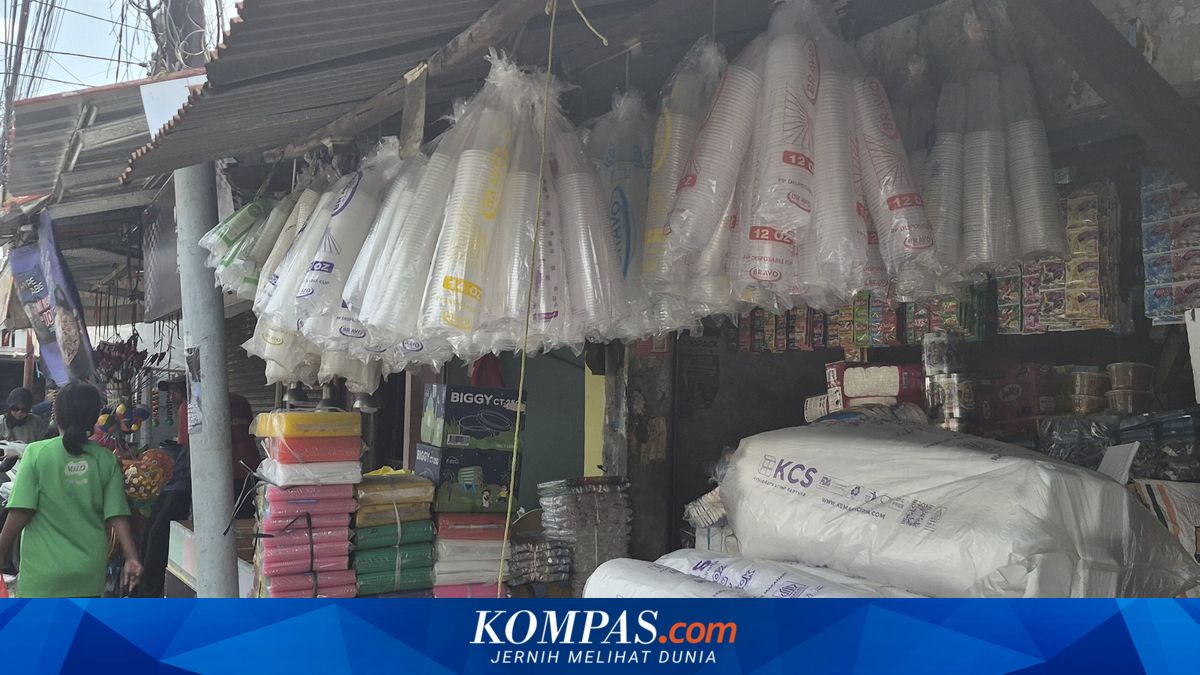
The Association of the Olefin Aromatic Plastic Industry (Inaplas) states that plastic prices in Indonesia have surged due to halted supplies of raw materials from the Middle East region.
Inaplas Secretary General Fajar Budiono explained that plastic is primarily made from naphtha, a petroleum derivative. Approximately 70% of the world’s naphtha is supplied from the Middle East, which is now impacted by the war between Israel and the United States (US) against Iran.
“Now, due to the ongoing war, the Strait of Hormuz has been closed, so the naphtha raw materials, which make up 70%, come from the Middle East and cannot be delivered to petrochemical industries,” Fajar said when contacted by Kompas.com by phone on Thursday (2/3/2026).
As a result, the availability of naphtha as the main raw material for plastic is increasingly limited.
Restrictions on access to the Strait of Hormuz and damage to domestic olefin production refineries are facing supply uncertainties. “And this is not only in Indonesia, but almost the entire world,” Fajar stated.
Since the war erupted on 28 February following bombings by Israel and the US on Iran, which resulted in the death of Iran’s supreme leader, Ayatollah Ali Khamenei, plastic prices did not immediately surge.
In the first week of the war, domestic plastic industry players attempted to manage production and inventory feedstock. In the second week of the war, or in March, plastic prices began to rise.
Plastic prices rose again ahead of Eid al-Fitr.
Fajar admitted that he had conveyed the impact of the war, stating that 10 days after Eid, there would be changes in plastic business patterns and their derivatives.
“Now this is happening; as we start opening markets, people are already starting to shop, while the raw materials that have been purchased so far are beginning to change,” Fajar said.
Currently, he said, the domestic plastic industry has entered survival mode. In this mode, industry players only produce at minimal capacity with acceptable economic calculations.
“Don’t let it reach standby mode. If it’s standby mode, the machines are on but not running. We’re still in survival mode now,” Fajar explained.
Industry players are attempting to address this issue by changing patterns in the upstream and downstream sectors.