
Plastic Prices Not Expected to Fall, Increase Predicted to Last Up to a Year
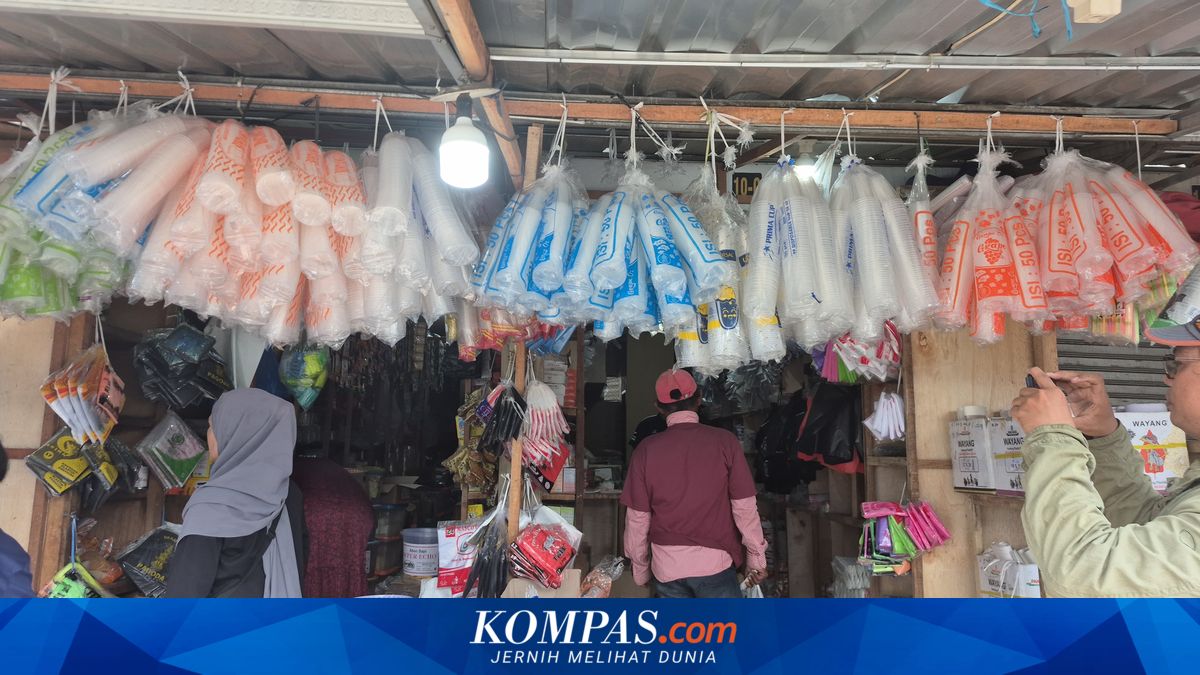
JAKARTA, KOMPAS.com – The increase in plastic prices that has occurred since the beginning of Ramadan 2026 continues unabated and is estimated not to fall in the near future.
This price surge is triggered by global supply chain disruptions, geopolitical conflicts in the Middle East region, and Indonesia’s dependence on imported raw materials.
The situation is beginning to pressure business actors, particularly UMKM, and has the potential to spill over into higher prices for consumer goods.
The rise in plastic prices remains a troubling issue that is causing anxiety among many parties, both traders and buyers who are micro, small, and medium enterprises (UMKM).
“So, every day it keeps rising; it didn’t rise a week before fasting and a week during fasting, after that it keeps rising because the Strait of Hormuz hasn’t been opened again, whereas plastic pellets are made from oil,” said one plastic trader, Nando (48), when interviewed by Kompas.com at Kalibaru Market, Cilincing, North Jakarta, on Monday (6/4/2026).
The trader predicted that the rise in plastic prices would continue until mid-2026.
However, according to Economics Expert M Rizal Taufikurahman, the rise in plastic prices in the market is not temporary.
Global supply chain disruptions due to the conflict between the United States and Israel against Iran not only affect distribution but also production, including disruptions to oil refineries in the Middle East region.
On the other hand, oil remains the main raw material in plastic production.
Global supplies of naphtha, the main raw material for plastic, are also heavily dominated by countries currently in conflict. As such, the recovery of plastic prices in the market will not be instant like other commodities.
“This means it’s not just a momentary surge, but a phase of volatility that could last several months to a year,” Rizal said when contacted by Kompas.com on Monday.
Both are indeed the main triggers for the global rise in plastic prices, but the problem is considered deeper.
“The root of the problem is much deeper, namely the systemic dependence on imported raw materials,” he added.
Currently, around 50 to 60 percent of plastic raw materials in Indonesia still rely on imports. On the other hand, domestic capacity has not yet been able to fully meet industry needs.
Most of those raw material supplies also come from regions currently affected by conflict. This explains why domestic prices are highly sensitive to global turbulence.
Rizal said that based on the latest data, naphtha prices have surged around 40 to 45 percent in the last month.