
Plastic Prices in Tasikmalaya's Traditional Markets Creep Up by 50 to 80 Percent
The government is confronted with policy dilemmas, none of which are truly comfortable.
Prices of plastic essentials in several traditional markets have crept up by 50 to 80 percent, caused by a doubling of industrial plastic raw material costs due to conflicts in the Middle East and geopolitical issues. The rise in plastic prices impacts market commodities that use plastic as packaging.
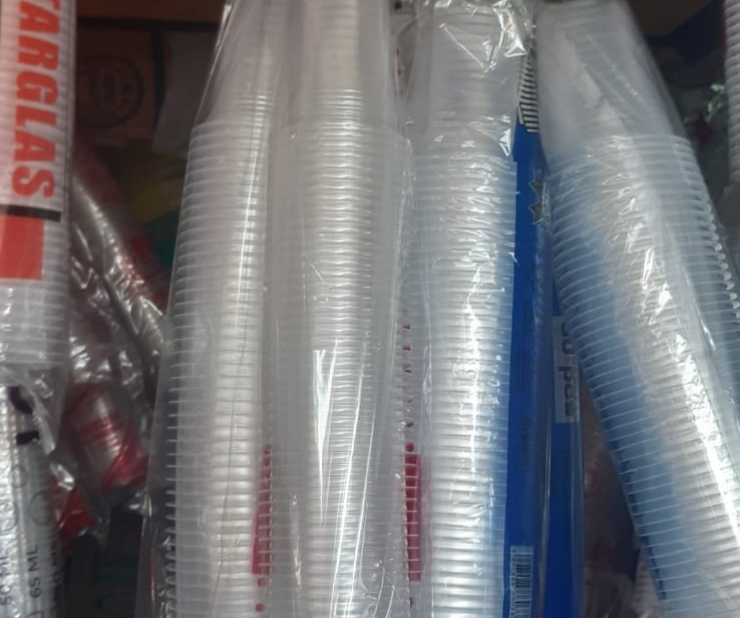
Didin, 55, a plastic stall trader at Cikurubuk market, said that various types of plastics sold now have risen by 50 to 80 percent; for example, plastic cups that usually cost Rp 17,000 have increased to Rp 27,000 per pack, plastic bags Rp 10,000 to Rp 15,000 per pack, and clear plastic Rp 5,000 to Rp 7,500 per 100 sheets. However, this increase is due to the rise in industrial plastic raw materials caused by conflicts in the Middle East and geopolitics.
“The rise in raw materials has caused market demand to decline, and many companies have reduced production. Nevertheless, plastic traders play a very important role in fulfilling basic needs for the community and as a supporter for commodity packaging,” said Didin on Wednesday (8/4/2026).
According to Didin, plastic price increases could continue and lead to scarcity, including shortages of various types and sizes of plastics, if the Middle East conflict between the United States, Israel, and Iran does not stop. Because the current raw material increase has caused companies to reduce production volumes.
“Traders complain about the doubling of plastic prices, and now buyers are increasingly bringing their own bags from home, as the plastic supply in the market is starting to thin out. We still hope that the conflict in the Middle East ends soon so that an economic crisis does not occur, which could cause various essentials to rise,” he said.
Meanwhile, Tasikmalaya plastic entrepreneur Eso Karso said that the need for industrial plastic raw materials has now doubled due to the Middle East conflict between the United States, Israel, and Iran involving geopolitics. The raw material increase has caused market demand to decline, forcing companies to reduce production volumes.
“The Middle East conflict has caused a rise in crude oil prices, and petrochemical production costs have also increased, impacting plastic pellets which have now doubled in price. However, the current situation has increased logistics costs, making distribution very risky for security on trade routes,” he said.
According to him, the Middle East conflict affects plastic raw material needs and causes supply disruptions and rises in crude oil prices. The plastic raw material increase is starting to be felt in the industrial sector, including plastic traders in the market, because companies are reducing production.
“The government is not raising fuel oil (BBM) prices, but global pressures still directly affect the plastic raw material supply chain. This increase is triggered by disruptions in global oil and gas distribution, with the two main commodities for plastic production being impacted,” he concluded. (H-2)
Experiencing a significant price increase, plastic traders have seen a substantial drop in turnover.
The recent plastic price rise indicates increasing pressure on the global raw material supply chain.
Industry Minister Agus Gumiwang Kartasasmita has spoken out regarding the plastic price increase that is now haunting business actors and consumers.
Perum Bulog has assured that rice packaging availability remains secure amid concerns over plastic raw material shortages due to global geopolitical dynamics.
The global surge in plastic raw material prices, triggered by economic uncertainty and Middle East conflicts, is now felt down to retail traders in Makassar City, South Sulawesi.