
Plastic Packaging Drives Up Cooking Oil Prices
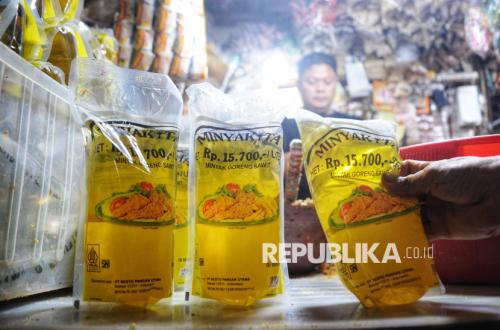
The increase in cooking oil prices in the market cannot be separated from the global situation, the impact of the conflict in the Gulf region. Attacks by the United States (US) and Israel on Iran, retaliated by the closure of the Strait of Hormuz, have disrupted the supply of raw materials and caused a rise in prices of fossil fuel derivative products, such as plastic.
“Global fossil energy prices have risen from around 60 US dollars per barrel before the war to more than 110 US dollars per barrel. As a result, all derivative products from fossil energy, such as plastic, have experienced increases,” said Tungkot Sipayung, Executive Director of the Palm Oil Agribusiness Strategic Policy Institute (Paspi), to the media in Jakarta on Saturday (25/4/2026).
According to Tungkot, the rise in domestic cooking oil prices due to the surge in plastic packaging costs will undoubtedly have a significant impact on society. In addition to being the largest producer, he continued, Indonesia is also recorded as the largest consumer of palm cooking oil in the world.
He explained that there are three types of palm cooking oil consumed by the public domestically. These include premium packaged palm cooking oil (MGS) with various brands, MGS MinyaKita for low-income communities and MSMEs, and bulk MGS for the food industry.
Of these three types of palm cooking oil, Tungkot said, the government can control the prices and availability of MGS MinyaKita. Meanwhile, the prices and availability of premium and bulk MGS are controlled by the market.
“The prices and availability of MGS MinyaKita are controlled by the government through DMO (domestic market obligation) policies, distribution controls (D1, D2), and HET (highest retail price),” he stated.