
Plastic Industry Struggles as Raw Material Prices Surge Due to Iran Conflict
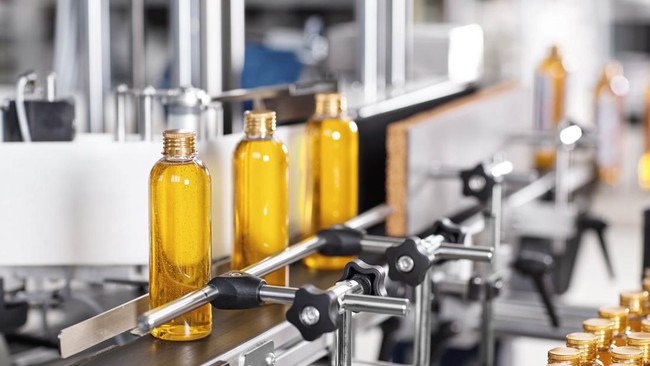
Indonesia’s national plastic industry is beginning to feel the strain from escalating global conflict in the Middle East, which has triggered a surge in raw material prices on the international market. Plastic raw material prices have reportedly nearly doubled in recent weeks.
Fajar Budiyono, Secretary General of the Association of Indonesia’s Olefin, Aromatic and Plastic Industry (Inaplas), said the intensifying geopolitical situation is affecting the supply chain for raw materials, particularly due to increasing uncertainty in the Strait of Hormuz.
“The conflict situation is now more intense, with mutual attacks and the Strait of Hormuz becoming increasingly difficult. The industry is focusing on feedstock management and finished goods,” Fajar told CNBC Indonesia on Monday, 16 March 2026.
He explained that the tensions are forcing the industry to be more cautious in managing raw material supplies and distributing finished products. Industry players are now focusing on short-term strategies while awaiting improvement in the global situation.
“Hopefully, after Eid, conditions will become more conducive so we can develop better strategies for the short term,” he said.
Meanwhile, rising raw material prices are also being felt in the domestic market. According to Fajar, the international price increases are driving up prices domestically.
“International prices have risen significantly and domestic prices have gone up accordingly, and it happens to coincide with transport restrictions during Eid, so sales inventory is only sufficient to meet existing contracts,” he explained.
He noted that shipping uncertainty is a separate challenge for the industry because shipping schedules are difficult to predict.
“Feedstock prices have also risen considerably, and the unpredictability of shipping schedules is also hard to forecast,” he said.
Fajar revealed that the increase in plastic raw material prices is quite significant. Previously, prices were in the range of Rp15,000 to Rp17,000 per kilogramme (kg), but prices have now reached approximately Rp30,000 per kg.
“From Rp15,000–17,000 rising to Rp30,000 (per kg),” Fajar said.
This increase, he continued, occurred in plastic raw material prices used by the domestic industry.