
Plan for Online Schooling Starting in April Cancelled, Learning Remains Face-to-Face
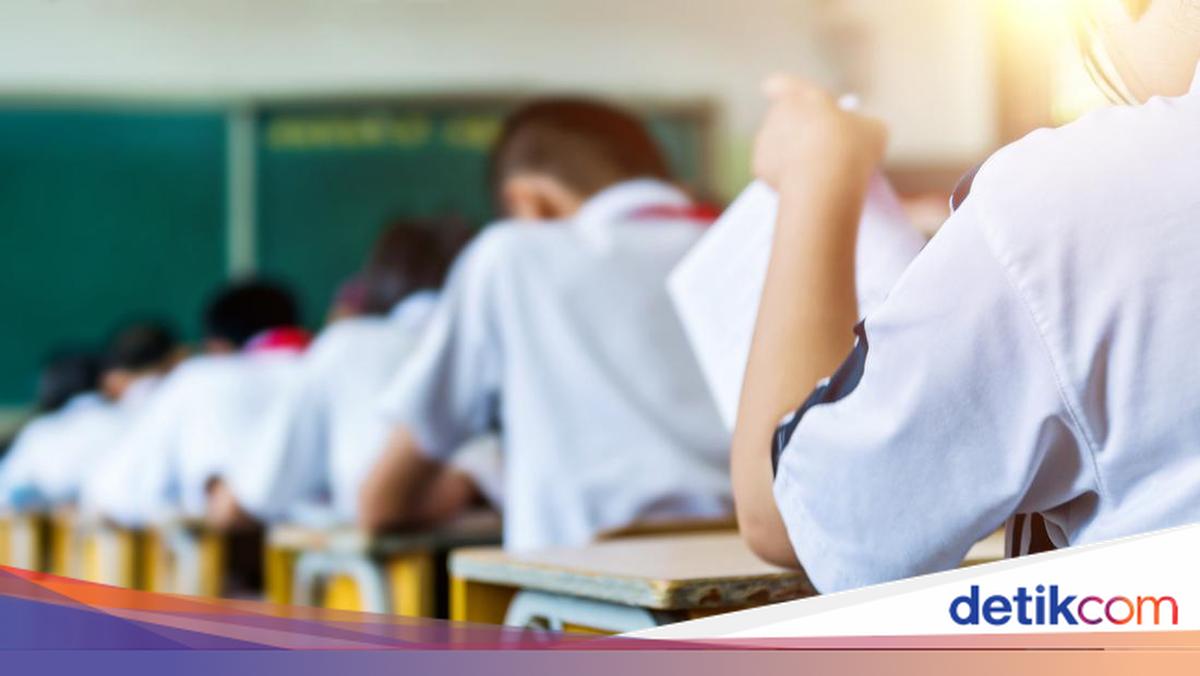
The proposal for online schooling or Distance Learning (PJJ) to promote energy efficiency starting in April 2026 has been scrapped. Basic and Secondary Education Minister (Mendikdasmen) Abdul Mu’ti explained the reasons behind this decision.
According to detikEdu, Mu’ti emphasised that learning in schools will proceed face-to-face as usual. This follows an inter-ministerial meeting.
“As per the outcome of the inter-ministerial meeting and the Coordinating Minister for Human Development and Culture’s (Menko PMK) press statement on 23 March, schooling will be conducted as normal (face-to-face),” Minister Mu’ti stated when contacted by detikEdu on Wednesday (25/3/2026).
According to Mu’ti, the cancellation of online learning is based on academic considerations and efforts to bolster character education in schools. In the coming days, he plans to issue a Ministerial Circular from the Ministry of Basic and Secondary Education on this matter.
The Ministerial Circular will cover various aspects of schooling amid the global crisis. It may also address concerns about learning loss if schools revert to online formats, as during the COVID-19 pandemic.
“Further explanations will be provided in the Ministerial Circular from the Ministry of Basic and Secondary Education. Just wait,” he added.
Schools Remain Face-to-Face
Previously, Coordinating Minister for Human Development and Culture (Menko PMK) Pratikno also confirmed that student learning will continue face-to-face. This stems from coordination between the Menko PMK, Mendikdasmen, and the Minister of Religious Affairs (Menag).
Pratikno noted that there had been discussions about the possibility of a hybrid method combining online and face-to-face learning. However, following the inter-ministerial meeting, it was concluded that online learning is not a current priority.
“In line with President Prabowo’s extraordinary priority on the education sector—from school revitalisation, People’s Schools, and Garuda Excellent Schools—we must accelerate the improvement of overall education quality, whether under the Ministry of Basic and Secondary Education, the Ministry of Religious Affairs, or the Ministry of Education, Culture, Research, and Technology. This is the priority. This is paramount,” Pratikno said.
In addition to schoolchildren, Pratikno supports President Prabowo Subianto’s decision on efforts to save fuel oil (BBM). He has instructed efficiency measures across all sectors.
Various examples of these steps include cutting non-essential travel allowances, optimising meetings and conferences to be held online, and implementing measured flexible working arrangements (FWA).
“Services to the public, enhancement of human resource quality, and support for equitable development acceleration must continue to be strengthened through smarter and more efficient methods,” he stated.