
PKH-BPNT Phase 2 for 2026 Not Yet Disbursed? Check Status at cekbansos.kemensos.go.id
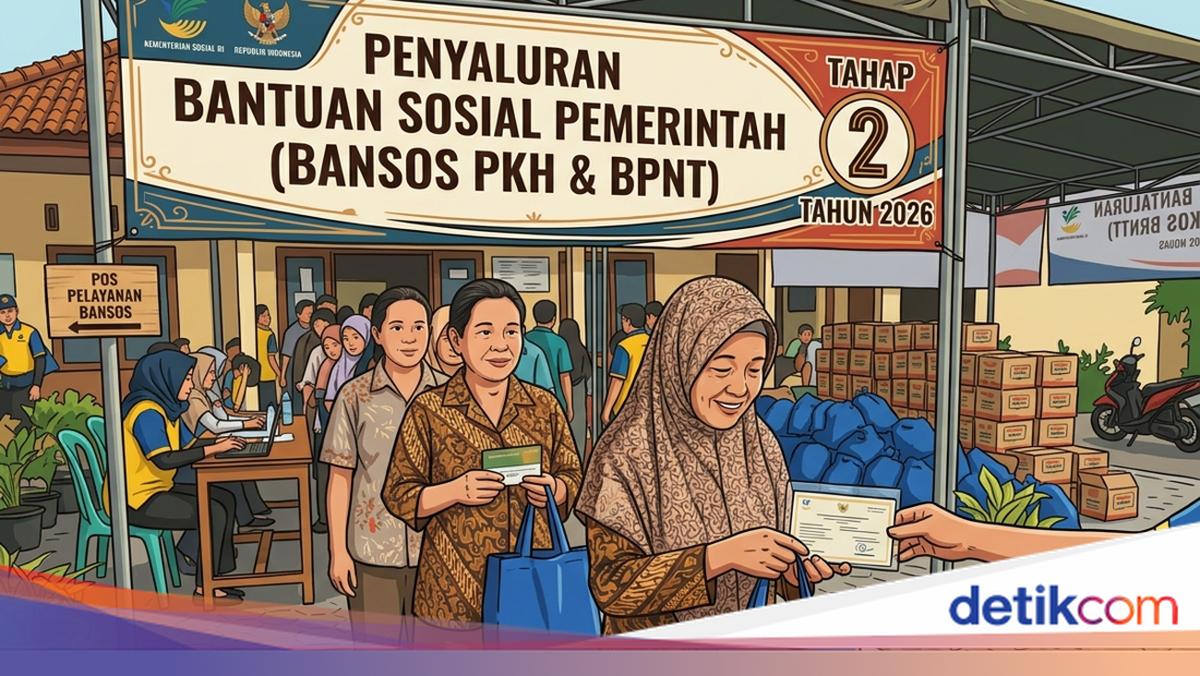
Entering mid-May 2026, the disbursement of social assistance under the Hope Family Programme (PKH) and Non-Cash Food Assistance (BPNT) for phase 2 remains a concern for the public. This is because a number of citizens claim that the much-anticipated social aid has not yet arrived, even though the second quarter 2026 disbursement period is already underway.
As is known, the government previously indicated that phase 2 social assistance disbursements would begin from the third week of April 2026. This information was directly conveyed by Social Minister Saifullah Yusuf, or Gus Ipul.
“It might be after the 10th. So, perhaps the third week. We start in the third week of this April,” said Gus Ipul, quoted from detikNews (1/4/2026).
However, up to now, there are still Beneficiary Families (KPM) who have not received PKH or BPNT assistance. This situation has led many people to wonder about the reasons why the social assistance has not been disbursed and how to check recipient status online.
For those who wish to confirm the status of social assistance disbursement, checks can be done through the official Ministry of Social Affairs website at cekbansos.kemensos.go.id or the Cek Bansos App. From these services, the public can find out if they are registered as aid recipients, disbursement status, and the latest payment information.
So, how to check the status of PKH and BPNT phase 2 for 2026? See the complete explanation below.
Reasons Why PKH-BPNT Phase 2 Has Not Been Disbursed
There are several possible reasons why PKH and BPNT phase 2 social assistance has not yet been disbursed, ranging from issues with recipient data to the government’s phased disbursement process. Therefore, not all Beneficiary Families (KPM) receive assistance at the same time.
According to information from detikFinance, here are some possible reasons why PKH and BPNT phase 2 social assistance has not been disbursed:
- Not Registered in DTSEN
One of the main reasons why assistance has not been disbursed is that the recipient’s name is not listed in the National Social and Economic Single Data (DTSEN). This data serves as the government’s reference in determining those eligible for social assistance. If someone is not included in DTSEN or their data is deemed ineligible for assistance, then PKH or BPNT social assistance disbursement cannot be processed.
- Invalid or Unverified Data
Errors in ID card or Family Card (KK) data often become the main obstacle to assistance disbursement. Discrepancies between recipient data in DTSEN and official documents such as NIK number, name, or address can cause the disbursement process to be delayed.
This issue also often requires additional time for data correction and re-verification processes. Therefore, aid recipients are advised to ensure that all personal data matches what is recorded in the DTSEN system and population documents.
- Issues at the Disbursing Bank
PKH and BPNT assistance disbursement can also experience delays due to issues at the disbursing bank. For example, unfinished fund distribution processes, high disbursement queues, or banking system disruptions. Additionally, each disbursing bank has different mechanisms and schedules, so aid funds do not always enter all recipients simultaneously.
- Disbursement Done Phased by Region
The government usually disburses social assistance in phases based on regions or specific areas. Therefore, some recipients receive assistance first, while others in different regions are still waiting for the next disbursement process. This phased disbursement system is implemented to ensure the aid distribution process runs more orderly and on target.
- Administrative Technical Issues
Administrative constraints also often cause PKH and BPNT social assistance not to be disbursed. Some common technical problems include inactive recipient bank accounts, mismatches between account names and recipient data, and delays in fund transfer processes from the government to the disbursing bank. To address this, recipients are advised to regularly check their bank account status and immediately report to social companions or relevant parties if they encounter issues with accounts or administrative data.
How to Check PKH-BPNT Phase 2 Status at cekbansos.kemensos.go.id
You can check the status of PKH and BPNT phase 2 social assistance disbursement online through the official Ministry of Social Affairs website. This checking process is easy because it only requires the National ID Number (NIK).
Here are the steps to check PKH and BPNT phase 2 social assistance status via the official Kemensos website:
Open the site https://cekbansos.kemensos.go.id.
Enter the National ID Number (NIK).
Enter the displayed letter code/captcha code.
Click the “Search Data” button.
After the search process is complete, the system will display the recipient data results, including the recipient’s name, decile status, and social assistance receipt status (active/inactive, disbursed/not yet).
How to Check PKH and BPNT Phase 2 via the Cek Bansos App
In addition to the website, social assistance checks can also be done via the Cek Bansos App available on mobile phones. This method is considered more practical because it can be done anytime and anywhere. Here are the steps:
Download the Cek Bansos App on your mobile phone, either via Play Store or App Store.
Log in using username and password.
Select the “Cek Bansos” menu.
Enter the National ID Number (NIK).
Click “Search Data”.
The search results will display the same information as on the website, namely: recipient’s name, decile status, and social assistance receipt status (active/inactive, disbursed/not yet).
PKH and BPNT Amounts for Phase 2 2026
PKH
BPNT