
PKB: Domestic Workers Protection Act a Milestone in Legal Protection for Household Workers
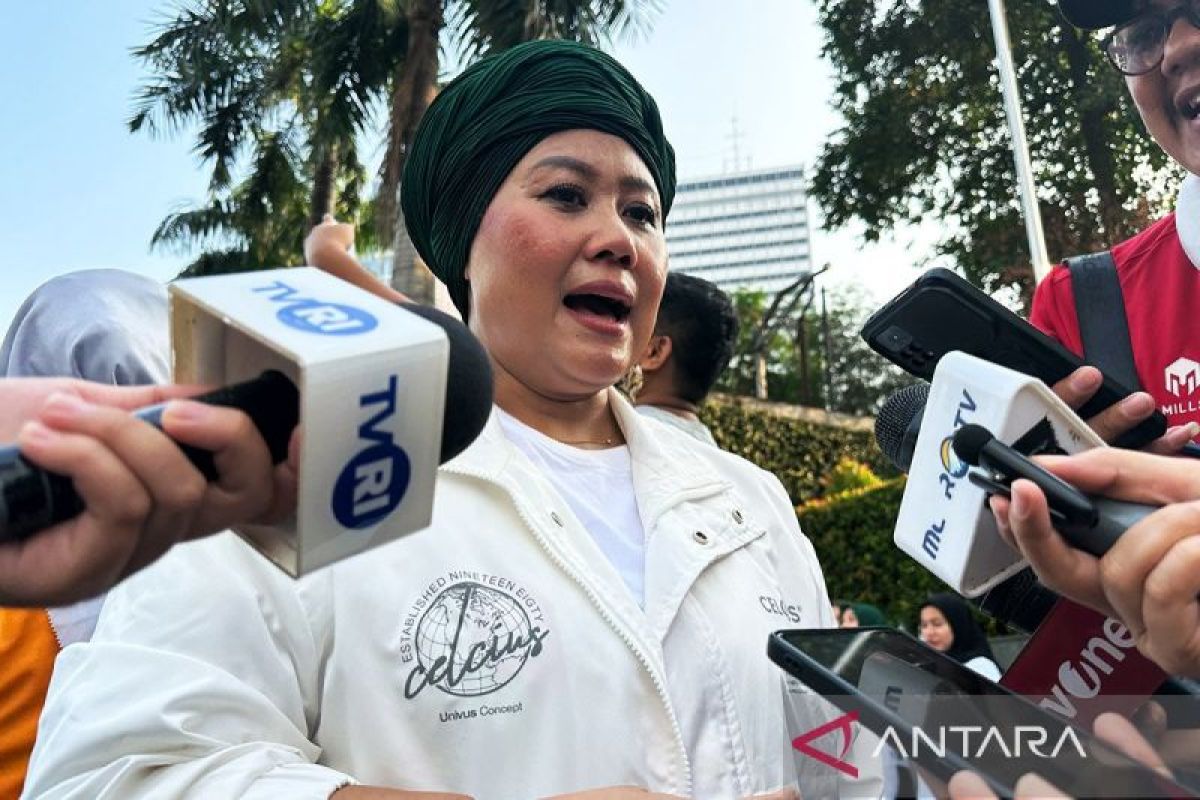
The establishment of the Domestic Workers Protection Bill (RUU PPRT) as law represents a crucial milestone in the history of the struggle for social justice in Indonesia. Jakarta (ANTARA) - The Central Board of the National Awakening Party (PKB) views the enactment of the Domestic Workers Protection Bill (RUU PPRT) as a strategic step in strengthening legal protection for household workers. Chair of the Foreign Affairs and International Cooperation of the PKB Central Board, Luluk Nur Hamidah, considers the approval of this regulation as an important milestone in addressing the imbalance in protection for domestic workers who have long lacked specific legal coverage. “The enactment of the RUU PPRT into law is an important milestone in the history of the struggle for social justice in Indonesia,” said Luluk in a written statement in Jakarta on Tuesday. She emphasised that the presence of this law demonstrates the state’s role in providing recognition, protection, and legal certainty for more than five million household workers who have worked in the domestic sector with high vulnerability. “This law is not merely a labour regulation, but a representation of the state’s commitment to humanitarian values, justice, and respect for human dignity,” she stated. In addition, the regulation opens access for household workers to social security as well as mechanisms for reporting rights violations. Luluk highlighted that household workers, who are mostly women, have long been in a vulnerable position against violence, discrimination, and inhumane working practices due to minimal supervision in the domestic sector. “The enactment of the PPRT Law reaffirms that domestic work is dignified work that deserves to be appreciated and protected. The state must no longer ignore inhumane working practices in the domestic sphere,” she said. Nevertheless, she reminded that the future challenge lies in implementation, including the preparation of derivative regulations, strengthening supervision, and public education. “The enactment of this law is not the end, but the beginning of the responsibility to ensure effective implementation,” she stated. She also emphasised the importance of changing society’s perspective in viewing domestic work relations to be based on justice and equality. “Domestic work relations must be built on the basis of respect and equality, not exploitative power relations,” she said. “The enactment of the PPRT Law is proof that the long struggle has not been in vain,” she added. She further noted that this momentum also reflects the political commitment of the government and the DPR in strengthening protection for vulnerable groups in the informal sector. “It is time to ensure that every job is valued, every worker is protected, and every human being is treated with dignity,” said Luluk.