
PJT II Promotes PLTS Development to Strengthen National Energy Resilience
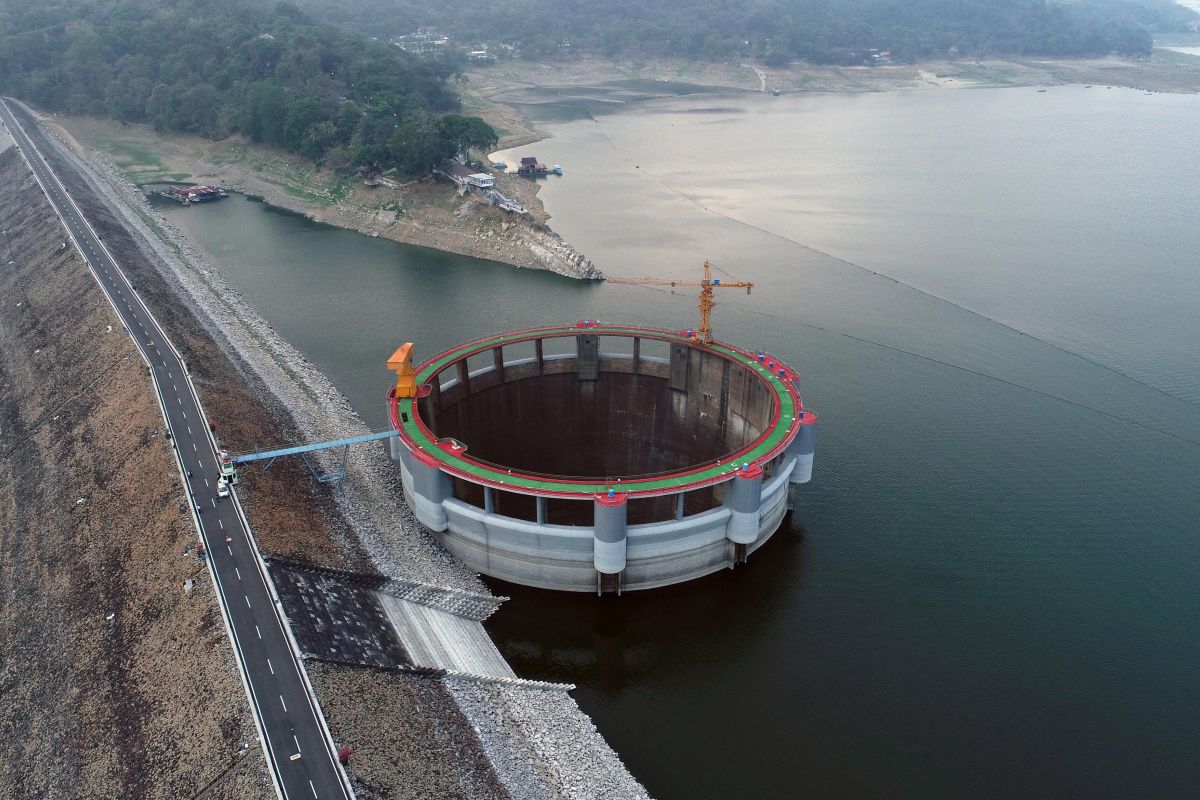
Purwakarta (ANTARA) — Perum Jasa Tirta II (PJT II) is promoting the development of Solar Power Plants (PLTS) as part of efforts to strengthen national energy resilience and support the transition to new renewable energy (EBT). This initiative was presented during the Specific Working Visit of the House of Representatives Commission VI at the PJT II Head Office in Purwakarta, West Java, on Wednesday (15/4).
The President Director stated that PLTS development is part of the strategy to optimise the potential of water resources managed by the company, while also supporting national energy diversification. “PJT II has significant potential in developing new renewable energy, including through the utilisation of reservoir areas for floating PLTS,” he said.
In the presentation, PJT II was accompanied to explain the potential for developing renewable energy integrated with the national electricity system. In the short term, development is focused on optimising existing potential, including the utilisation of strategic reservoirs for floating PLTS and increasing the capacity of operational power plants. Meanwhile, in the medium to long term, the clean energy portfolio will be strengthened through the integration of various EBT sources, such as solar and hydropower.
However, the development of PLTS and EBT still faces several challenges, including solar energy variability, the need for supporting infrastructure, and relatively large project financing. For this reason, PJT II emphasises the importance of cross-sector collaboration, technology utilisation, and operational efficiency improvements to ensure effective implementation.
The President Director stated that the synergy between PJT II and PLN Nusantara Power is an important part of building a reliable energy ecosystem. “With this collaboration, we are optimistic about supporting national energy resilience sustainably,” he said.
Looking ahead, both parties will strengthen operational monitoring systems, enhance human resource capacity, and manage risks comprehensively to ensure the sustainability of EBT development. The synergy in managing water resources and electricity is also seen as key to maintaining a balance between energy needs and environmental preservation.