
PJT II Prepares Drought Mitigation Ahead of the Dry Season
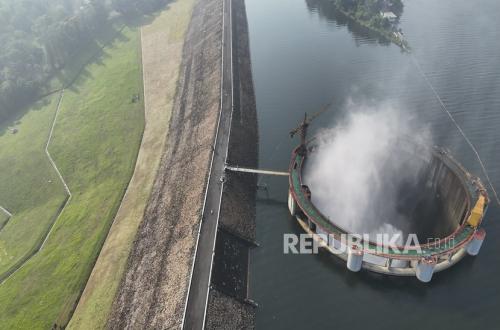
Perum Jasa Tirta II (PJT II) is preparing a range of drought mitigation measures ahead of the 2026 dry season to ensure irrigation water supplies remain secure for the agricultural sector. The measures are seen as important to maintain agricultural productivity while supporting national food security. The Chief Executive Officer (CEO) Imam Santoso said the company is strengthening operational readiness in the Jatiluhur Irrigation District service area, which covers around 503,713 hectares. He noted that water availability at the H. Djuanda Reservoir is assured to be sufficient until the end of 2026. ‘We are continuing to monitor hydrology intensively, manage water distribution in a measured manner, and prepare a variety of anticipatory steps to face potential drought in several service areas. As a water resources management company, drought response is one of our operational priorities which we implement through preventive measures from an early stage,’ Imam said. PJT II had previously conducted an inventory of various challenges in several work areas, ranging from sedimentation, interruptions to the surplus systems, to potential dam damage to accelerate response and prevention efforts. On the ground, the company applies operational control of water gates on affected secondary channels and a rotating distribution pattern to ensure equitable service to farmers. Additionally, PJT II strengthens the readiness of water resources facilities by increasing pump readiness and clearing weeds and debris from irrigation channels to ensure smooth water flow. ‘This approach is also part of the company’s strategy to maintain the continuity of irrigation services while minimising potential conflicts over water use during the dry season through adaptive and responsive water management to the dynamics of field conditions,’ Imam said. PJT II also increases coordination with local governments, the Ministry of Agriculture, the Balai Besar Wilayah Sungai Citarum, the TNI, Satpol PP, and farmers in the irrigation service area. Through this coordination, information relating to water distribution schedules, rotating patterns, and flow conditions is expected to be received by farmers more quickly, so the management of agricultural water needs becomes more planned and effective.