
Pilgrims move to Arafat as government urges health precautions
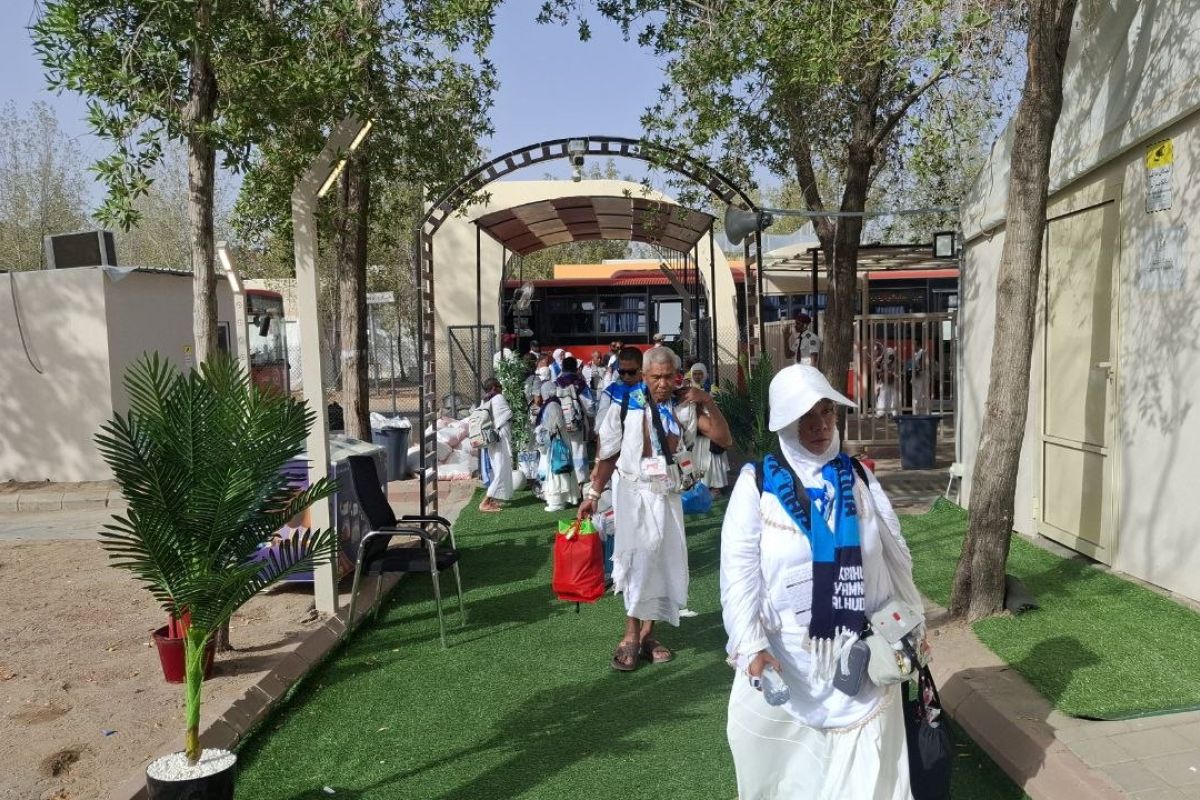
The Ministry of Hajj and Umrah announced that Indonesian Hajj pilgrims have begun moving in stages from their respective hotels to Arafat on Monday, coinciding with 8 Dhu al-Hijjah 1447 AH, to commence the climax of the Hajj rituals.
Maria Ulfa Assegaf, spokesperson for the Ministry, stated: “As the 34th day of Hajj operations, Indonesian pilgrims are now moving to Arafat in stages to perform the peak rituals. This is a critical phase requiring physical, mental readiness, and strict discipline from all pilgrims.”
Maria explained that the movement to Arafat is divided into three phases: 7:00 AM, 11:30 AM, and 4:30 PM Saudi time. The government urges pilgrims to adhere to the scheduled timings, avoid moving individually, not overtake their groups, and follow the instructions of cluster, sector, and religious guides to ensure orderly and safe proceedings.
Beyond technical preparations, the ministry reminded pilgrims to comply with ihram regulations throughout the rituals. For male pilgrims, she specified avoiding sewn garments, not covering the head with close-fitting headgear such as caps or turbans, and not wearing footwear that covers the ankles and heels.
Pilgrims must also avoid other ihram prohibitions such as cutting nails, plucking hair, using fragrances after the ihram intention, and maintaining proper speech and conduct to ensure devout worship.
Maria stressed the importance of maintaining health during the Arafat phase, which demands high stamina and intensive mobility. “We advise pilgrims to rest adequately, eat regularly, drink plenty of water, and avoid unnecessary activities to conserve energy during the peak Hajj rituals,” she said. “Use umbrellas, masks, and comfortable footwear when outdoors to reduce heat-related fatigue. Those with pre-existing medical conditions should ensure their personal medications are readily accessible,” she added.