
Pigeons' Unique Navigation Strategy: Taking the Middle Path
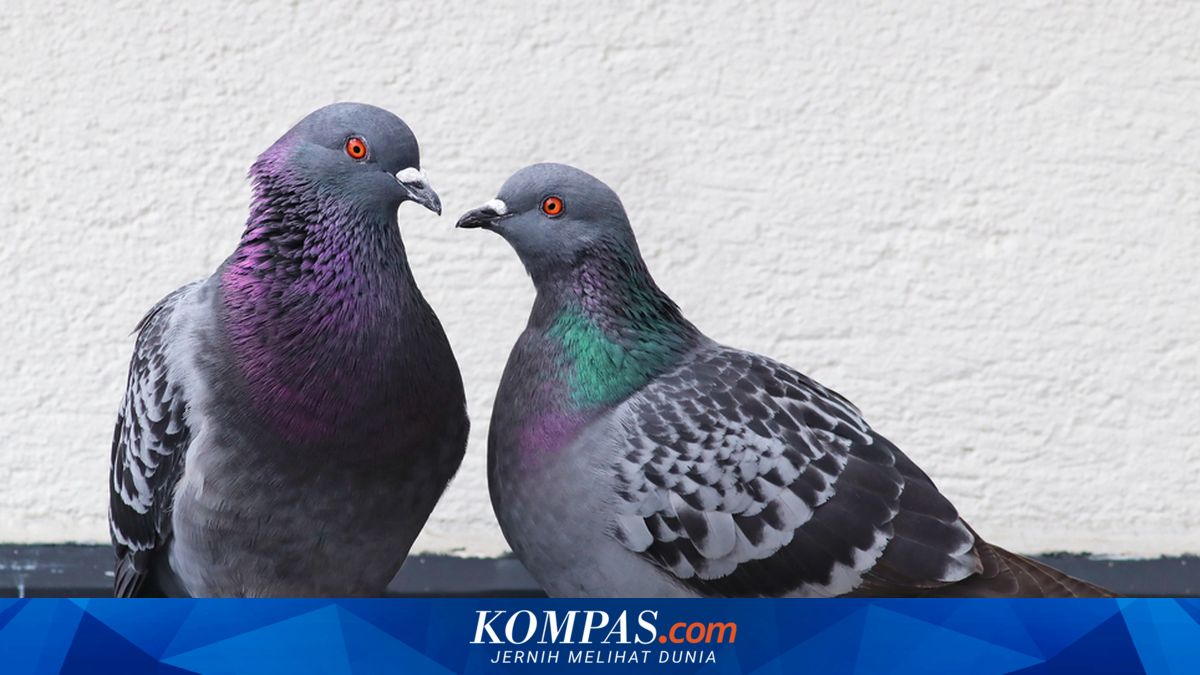
For years, homing pigeons have been celebrated in scientific circles for their extraordinary navigational abilities. Researchers believed these birds inherited navigation knowledge from one generation to the next, gradually refining their flight routes. However, a new study from the University of Massachusetts Boston has debunked this theory. The research shows pigeons do not teach each other routes; their navigation secret is far simpler: they compromise. In experiments, experienced pigeons were paired with novices. After 12 flights, the experienced birds were removed, and the now-experienced pigeons were paired with new novices—a process repeated over five generations. The routes consistently shortened and became more efficient, leading scientists to initially conclude that pigeons possessed socially learned navigation. A separate research team, led by Shoubhik Chandan Banerjee, Fritz Francisco, and Albert Kao, retested the experiment with a different perspective. They created seven computer simulations of bird navigation strategies. Some models assumed pigeons could identify smarter partners or better routes, but the simplest model assumed pigeons knew nothing. In this basic model, paired flights represented a pure compromise between each bird’s preferred path—essentially averaging the routes. When compared to real-world data, the pigeons’ actual behaviour matched the simplest model, not the more complex simulations. To confirm, scientists examined leadership during flights; if juniors were learning from seniors, seniors would lead, but the data suggested otherwise.