
Pigai's remarks on Indonesia's position in the UN Human Rights Council
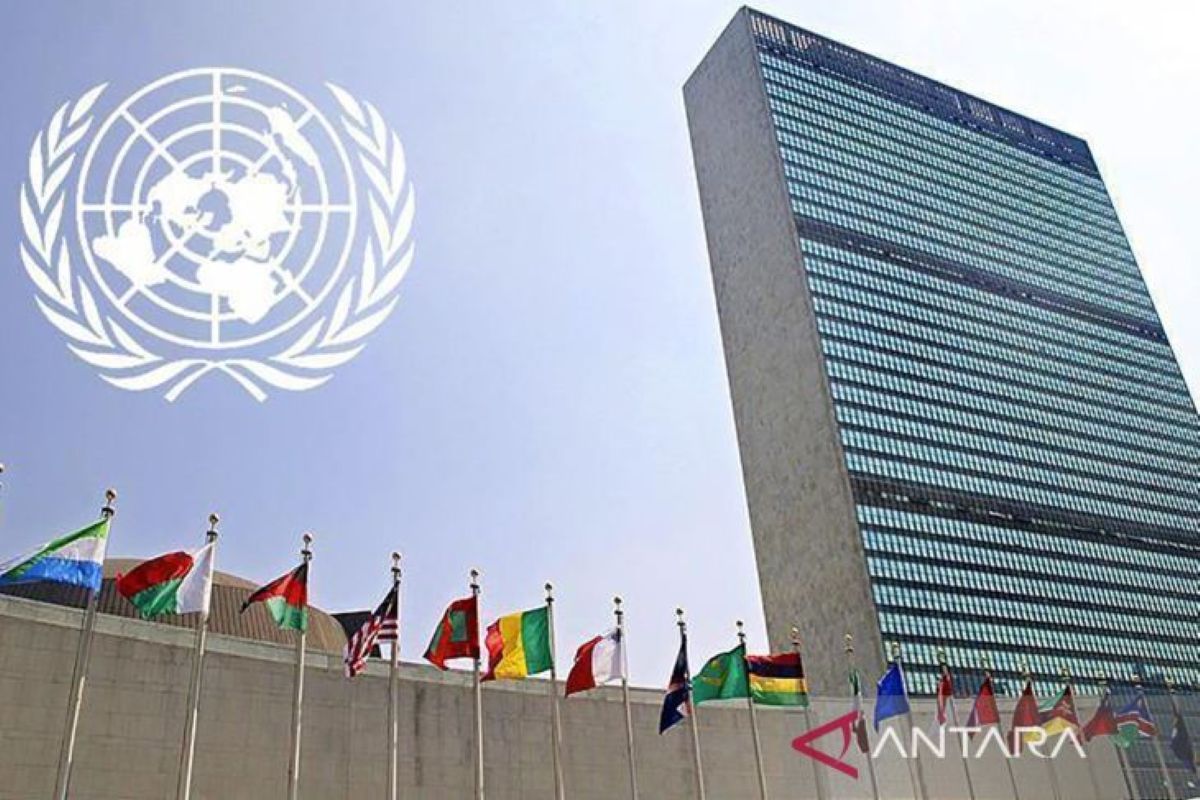
Jakarta (ANTARA) - Human Rights Minister Natalius Pigai has emphasised that Indonesia’s position as President of the United Nations Human Rights Council reflects global trust in the government’s commitment to safeguarding and strengthening human rights principles.
Pigai stated that during President Prabowo Subianto’s leadership, there have been no policies that weaken human rights principles; instead, various efforts have been made to ensure the protection and fulfilment of people’s rights in line with international standards.
“If human rights in Indonesia were deteriorating, it would be impossible for us to convince other countries to support Indonesia becoming President of the UN Human Rights Council,” Pigai said in his statement in Jakarta on Thursday.
According to him, the government has never issued regulations that create preconditions for reducing or eliminating human rights principles in national development.
Various strategic issues, such as security handling, freedom of expression, and the protection of indigenous communities, are addressed by referring to international standards, including the principles of the International Covenant on Civil and Political Rights (ICCPR) and the Siracusa Principles.
Pigai also emphasised that the government continues to maintain space for press and expression freedom, including through direct responses to various public issues developing in society.
“The Ministry of Human Rights has helped handle human rights cases such as the freedom of expression of the Sukatani Music Group, indigenous communities, the Delpredro Marhaen case, and the case of a pig’s head being thrown at the Tempo office. Even President Prabowo has personally intervened in the case of acid splashing on Mr Andre Yunus,” he explained.
In addition, the government has strengthened the fulfilment of economic, social, and cultural rights through various national priority programmes such as Free Nutritious Meals (MBG), People’s Schools (SR), Red and White Cooperatives (KMP), and Free Health Checks (CKG), which target improvements in public welfare.
On the other hand, Pigai assessed that several indicators often seen as a decline in human rights quality need to be viewed contextually, including considering past policies that still have impacts to this day.
He also highlighted the government’s increasingly open approach, with broader public access to the government and maintained space for dialogue, including through direct communication with the President.
Pigai added that the democratic climate remains preserved, as reflected in the conduct of competitive and open general elections and regional head elections.
“The democracy index rises or falls must be seen from the country’s policies. To date, under the leadership of President Prabowo, there are no laws, regulations, or policies that create preconditions for closing off human rights,” he stressed.
The government, Pigai continued, will continue to strengthen human rights-based policies and maintain a balance between national stability and the protection of citizens’ rights.