
Pigai Emphasises Legal Recognition as a Priority in the Customary Law Communities Bill
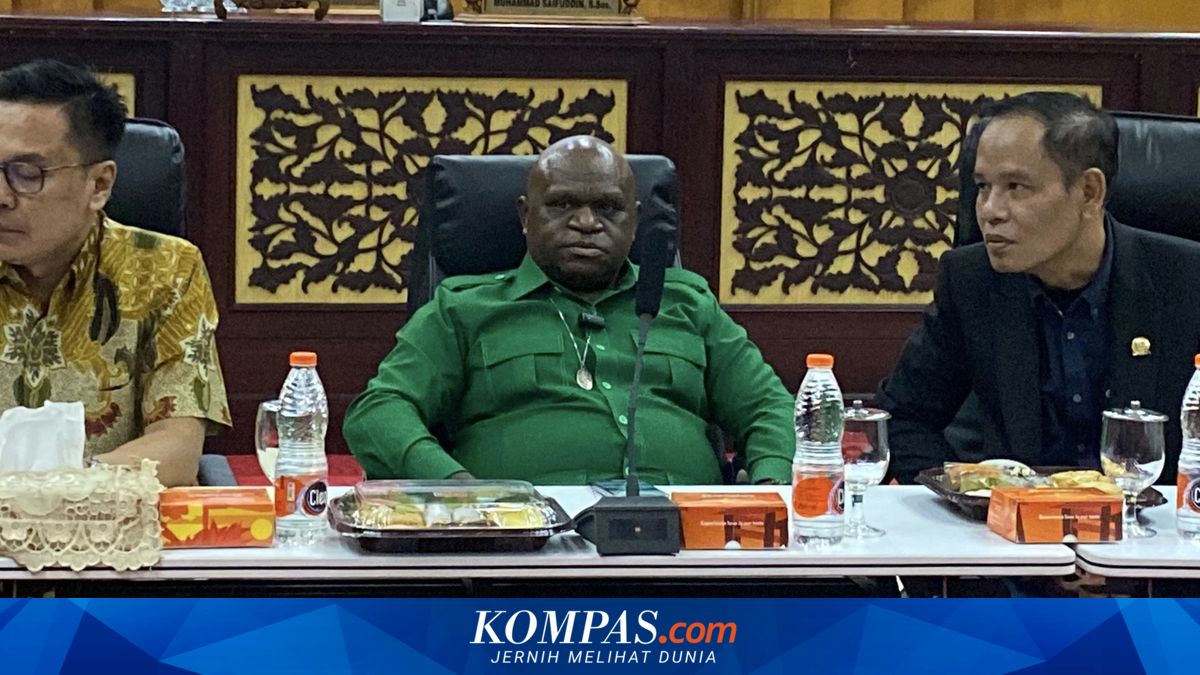
Bandung, West Java — Minister of Human Rights Natalius Pigai has emphasised that legal recognition of Indigenous peoples is the main point advanced by the government in the Draft Law on Indigenous Customary Law Communities, which is now included in the National Legislation Program. Pigai said the Ministry of Human Rights (HAM) together with Indigenous communities has prepared the draft and officially submitted it to the House of Representatives’ Legislation Body (Badan Legislasi DPR RI) two months ago. ‘First, recognition, because Indigenous Peoples have long needed recognition. Since colonial times it has not been recognised,’ Pigai said in Bandung, West Java, on Wednesday (20 May 2026). He cited the division of 19 customary-law areas by Dutch jurist Cornelis van Vollenhoven, as well as social classifications developed by other European scholars. In reality, the number of Indigenous communities in Indonesia is far greater and more diverse. ‘So the recognition of customary law in Indonesia, our Indigenous communities, is more than hundreds. It is probably 500 or 700 or more. Therefore, the existence of the Indigenous legal framework in Indonesia requires that recognition to be prioritised,’ Pigai said. The government will form Indigenous Community Committees at district/city up to provincial levels to ensure protection of Indigenous communities. Moreover, the government also proposes the establishment of the National Commission on Indigenous Peoples as part of the mechanism to solve issues faced by Indigenous communities. ‘There is protection by the state, but also a justice system. The justice system through the National Commission on Indigenous Peoples,’ Pigai added. In a meeting with Baleg DPR RI in January 2026, Bayu said the draft law governs the obligations of the central and local governments to provide recognition, protection, and empowerment of Indigenous-law communities. Recognition of Indigenous law communities in the draft is achieved through stages of identification, verification, validation, and designation by the central or local governments via the Indigenous Law Communities Committee.