
Pigai: Defending but Paid Cannot Be Called a Human Rights Defender
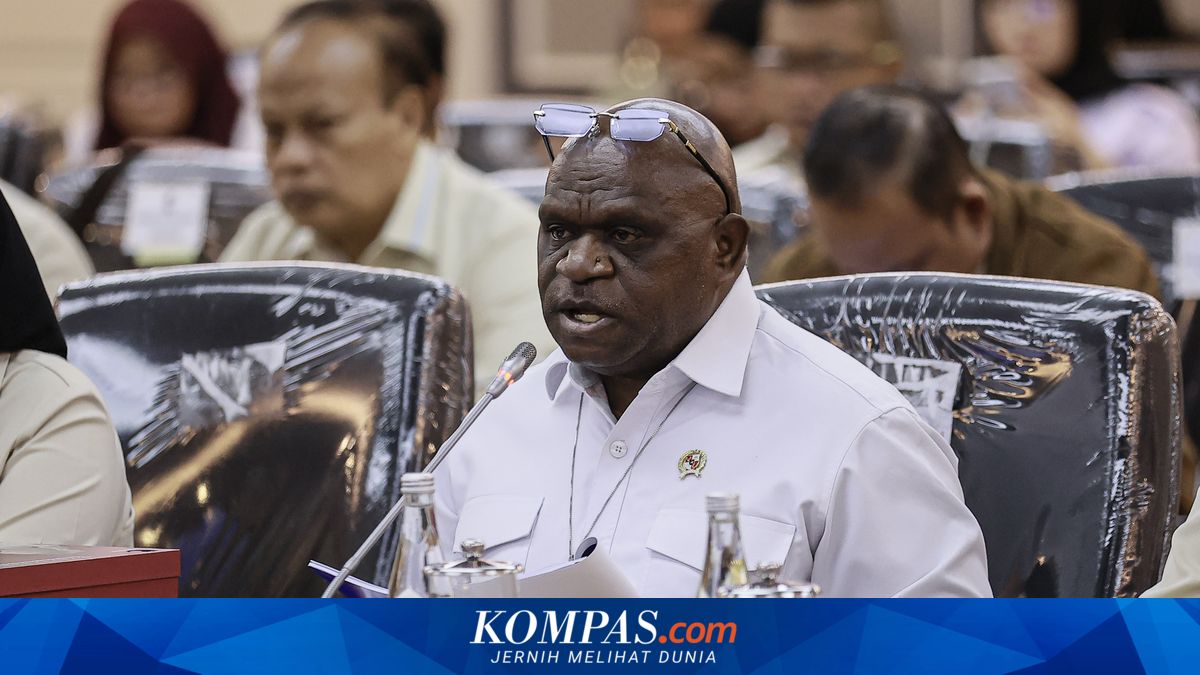
Human Rights Minister Natalius Pigai stated that a person paid to defend others cannot be called a human rights defender. “An activist who defends people but is paid cannot be called a human rights defender. But an activist who defends sincerely must be called a human rights defender,” Pigai told Kompas.com by telephone, quoted on Monday (4/5/2026). This, Pigai said, is the discourse on why the criteria for human rights defenders must be discussed in the revision of the Human Rights Law. These criteria are established so that people do not exploit the Human Rights Law as protection for misguided defence actions due to certain motives. Pigai also emphasised that the meaning of “paid” has no connection to specific institutions or foreign parties. The criteria focus on the individual performing the action, whether the defence action is motivated by payment or genuine human rights defence. “Any institutions are fine, but we will assess whether they are a human rights defender or not at the time they carry out the defence activity,” he said. However, the next day, if someone from the same NGO defends another person without payment, the Human Rights Law will provide protection. “What is protected by the law is the next day’s unpaid one. But if paid, it cannot, because there is an interest,” he said. However, Pigai explained that the criteria for human rights defenders are still under discussion and will involve the National Human Rights Commission and civil society. For example, regarding women’s activists, the institution authorised to declare an activist or defender of women’s rights is Komnas Perempuan. “If it’s women, it’s definitely a women’s defender, determined by Komnas Perempuan with the specified criteria,” he said. Similarly, for child rights defenders, the Indonesian Child Protection Commission (KPAI) will determine it. “Then, the general one is determined by Komnas HAM,” Pigai said.