
Pickup Truck Imports Could Cost Indonesian Economy Rp27 Trillion
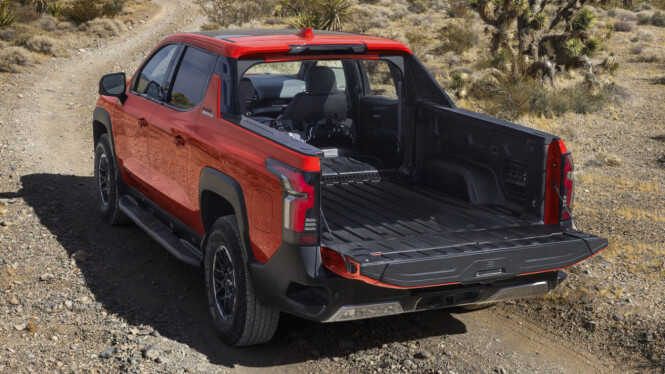
Jakarta — Pickup trucks are often viewed merely as hardworking vehicles associated with hauling goods, construction projects, or logistics distribution. Yet behind their simplicity, this segment is in fact one of the crucial backbones of national economic activity.
The role of pickup trucks becomes increasingly apparent as goods distribution activity rises, spanning the MSME sector, agriculture, and large-scale trade. These light commercial vehicles serve as a flexible goods mobility solution, capable of reaching urban areas through to remote regions with relatively efficient operating costs.
The Ministry of Industry views the pickup segment not simply as an ordinary automotive market, but as part of an industrial ecosystem with significant multiplier effects. Industry Minister Agus Gumiwang Kartasasmita affirmed that strengthening domestic pickup production carries substantial economic impact for Indonesia.
“If the procurement of 70,000 units of 4x2 pickup vehicles is fulfilled by domestic products, it would generate a positive economic impact of approximately Rp27 trillion,” he said in an official statement on Friday, 20 February 2026.
The economic effects of pickup production do not stop at the vehicle factory alone, but ripple through various supporting industrial subsectors. The tyre, glass, battery, metals, plastics, cable, and electronics industries all benefit from increased light commercial vehicle production activity.
According to Agus, meeting pickup demand through local production ensures that economic value-added and employment absorption remain within the country. “If all pickup vehicle needs were met through imports, the economic value-added would be enjoyed by foreign industries,” he said.
At present, the national automotive industry’s capacity to produce pickup vehicles is considered substantial and competitive. Production capacity is said to reach approximately one million units per year, supported by various manufacturers that have long operated in Indonesia.
This capacity opens opportunities not only to serve the domestic market but also to enhance Indonesia’s competitiveness in the global market. The Industry Minister stressed, “With this capacity, the national pickup vehicle industry is considered capable of meeting domestic market demand whilst simultaneously strengthening global competitiveness.”
In terms of quality, domestically produced pickup vehicles are also considered able to compete with imported products. Local products have proven capable of operating across Indonesia’s diverse road conditions, from dense urban areas to regions with limited infrastructure.