
PHRI Banyumas hopes hotel occupancy unaffected by budget efficiency measures
Purwokerto (ANTARA) - The Indonesian Hotel and Restaurant Association (PHRI) Banyumas Regency, Central Java, hopes that the government’s budget efficiency policy will not impact hotel occupancy rates in the area.
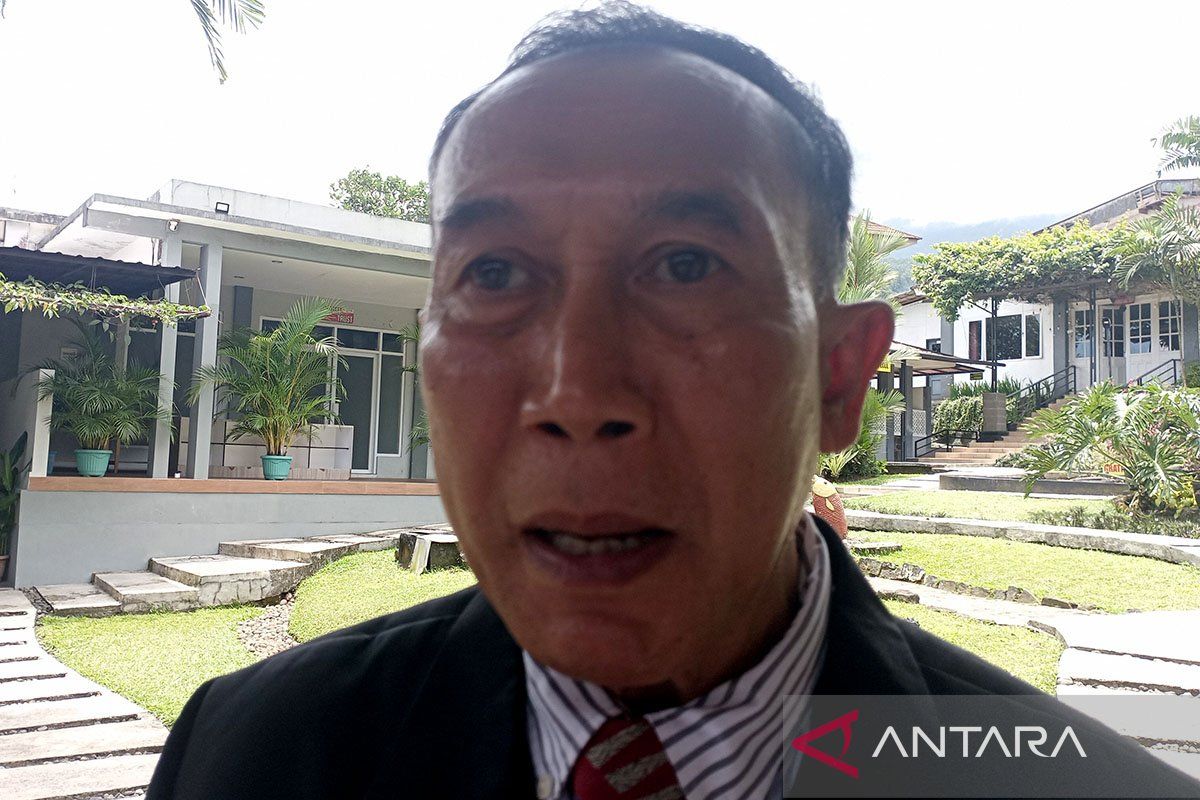
Chairman of the PHRI Banyumas Regency Branch Board Irianto in Purwokerto, Banyumas, on Wednesday, stated that the hospitality and restaurant sector is still in the recovery process following the COVID-19 pandemic and previous budget efficiency policies, thus requiring support from activities, including those from the government.
“In mid-2025, the Minister of Home Affairs (Tito Karnavian) gave the green light to all regional governments to resume various activities, including meetings at hotels and restaurants,” he said.
According to him, that policy has not yet had a significant impact on the hospitality and restaurant sector because the holding of government activities at hotels remains limited.
However, he said, the government is now implementing budget efficiency measures again, which is feared to affect the hospitality and restaurant sector.
“With this budget efficiency, there will certainly be an impact on us, because government activities have so far been one of the supports for hotel occupancy,” he said.
According to him, the efficiency policy accompanied by the implementation of work from home (WFH) for civil servants (ASN) and plans to apply it also to private workers and SOEs has the potential to reduce meetings, gatherings, or other agendas that are usually held at hotels and restaurants.
Nevertheless, he hopes that the government will still hold activities at hotels and restaurants, even if with budget adjustments.
“We hope that government activities continue to take place at hotels and restaurants even if the budget is cut, because hotel operations must continue and there are employees who depend on their livelihood in this sector,” he said.
He acknowledged that to date, hotel occupancy conditions in Banyumas have not shown significant recovery, and even the Eid momentum, which usually boosts occupancy rates, has not yielded optimal results.
“We hoped that last Eid would be a harvest, but in reality, it was not as expected. Average occupancy was only around 60 percent, whereas it usually reaches 80 percent,” he said.
He said that the increase in occupancy only occurred on the second and third days of Eid 2026, while overall it was still below business expectations.
On the other hand, he said, the restaurant sector was helped during Ramadan through iftar gathering programmes, especially at star-rated hotels, which were able to boost revenue from food and beverages.
“The iftar programme was quite helpful, especially for restaurants, but room occupancy is still relatively quiet,” he emphasised.
He said that event-based activities such as sport tourism organised by the Banyumas Regency Government or other parties also contribute to hotel occupancy, but they are still limited and have not been able to drive overall recovery.
According to him, in Banyumas there are currently around 16 star-rated hotels with a total of about 3,000 rooms, as well as around 200 non-star-rated hotels that still need increased occupancy to maintain operations.
“We hope that the budget efficiency policy can be balanced with strategic steps that still support the sustainability of the hospitality and restaurant sector in the region,” said Irianto.