
Philippines Warns ASEAN of Long-Term Impacts of Global Shocks
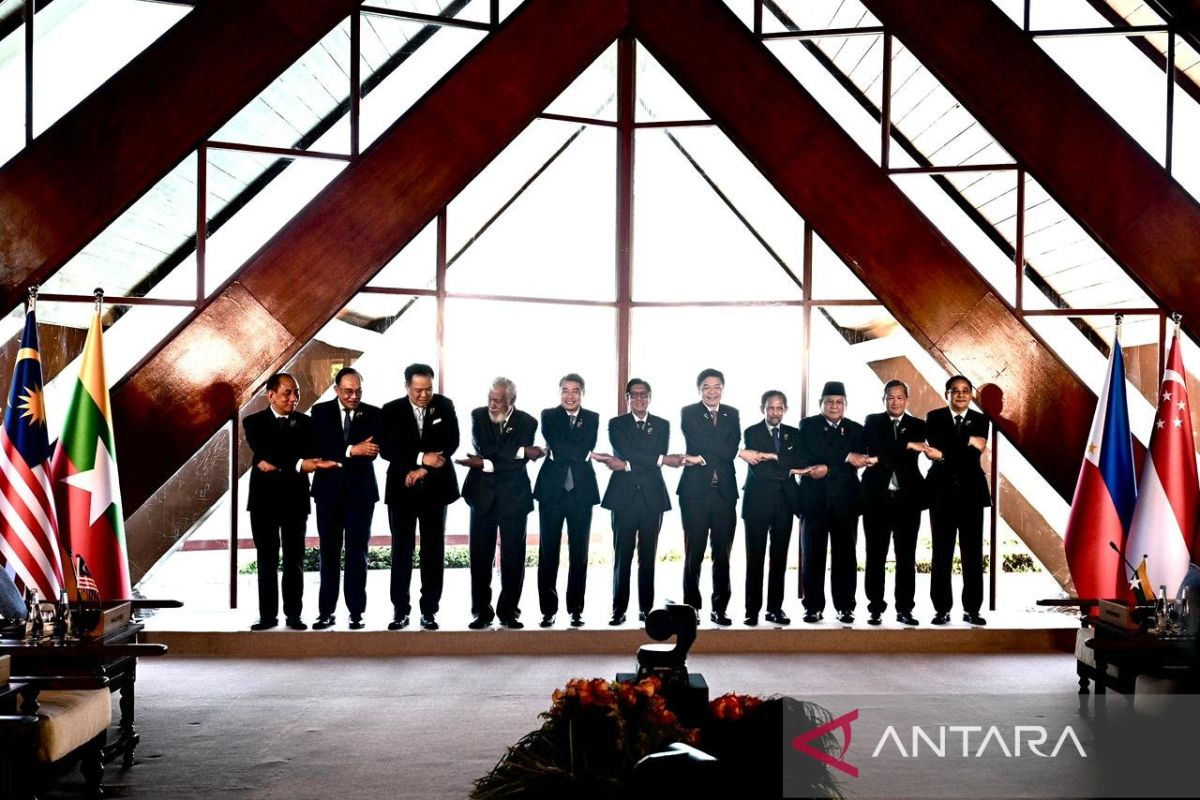
Cebu (ANTARA) - Philippine President Ferdinand Marcos Jr. on Friday reminded Southeast Asian leaders that the impacts of ongoing geopolitical conflicts and global economic disruptions will continue to be felt for years, even as tensions eventually subside.
Speaking at the Retreat session of the 48th ASEAN Summit in Cebu, Philippines, Marcos said member states remain vulnerable to external shocks, particularly disruptions affecting oil supply chains, trade, and global markets.
“And while the impacts may differ from country to country in ASEAN at present, it cannot be denied that these disruptions will affect the future,” he said.
Even if tensions ease over time, Marcos assessed that damage to critical infrastructure, vital systems, and general trust will continue to be felt for years to come.
Marcos said the region is feeling the ripple effects of instability occurring far beyond Southeast Asia, particularly the ongoing conflicts in the Middle East, which have disrupted oil supply routes and affected global prices.
“The domino effect of oil supply disruptions on various sectors in our countries has affected the way we do business, work, and live our lives,” he stated.
Despite facing challenges, the Philippine President said ASEAN has anticipated many of these risks through the ASEAN Community Vision 2045, which identifies supply chain disruptions, resource security issues, and great power rivalries as long-term regional challenges.
He urged ASEAN leaders to go beyond short-term crisis responses and focus on strengthening institutions, enhancing coordination, and implementing concrete regional action plans to prevent future shocks from escalating into deeper crises.
“The latest crises serve as a clear reminder of how vulnerable our economies are to sudden changes in the international order and, consequently, the global economy,” he said.
“Disruptions that occur over a few weeks will take years to recover from, testing not only our governments but also our societies,” he added.
Under Philippine leadership, ASEAN has adopted the “LEAD-SAIL-RISE” framework, aimed at strengthening political and security cooperation, economic integration, and people-centred development across the region.