
Philippines to implement four-day working week as fuel prices rise due to war
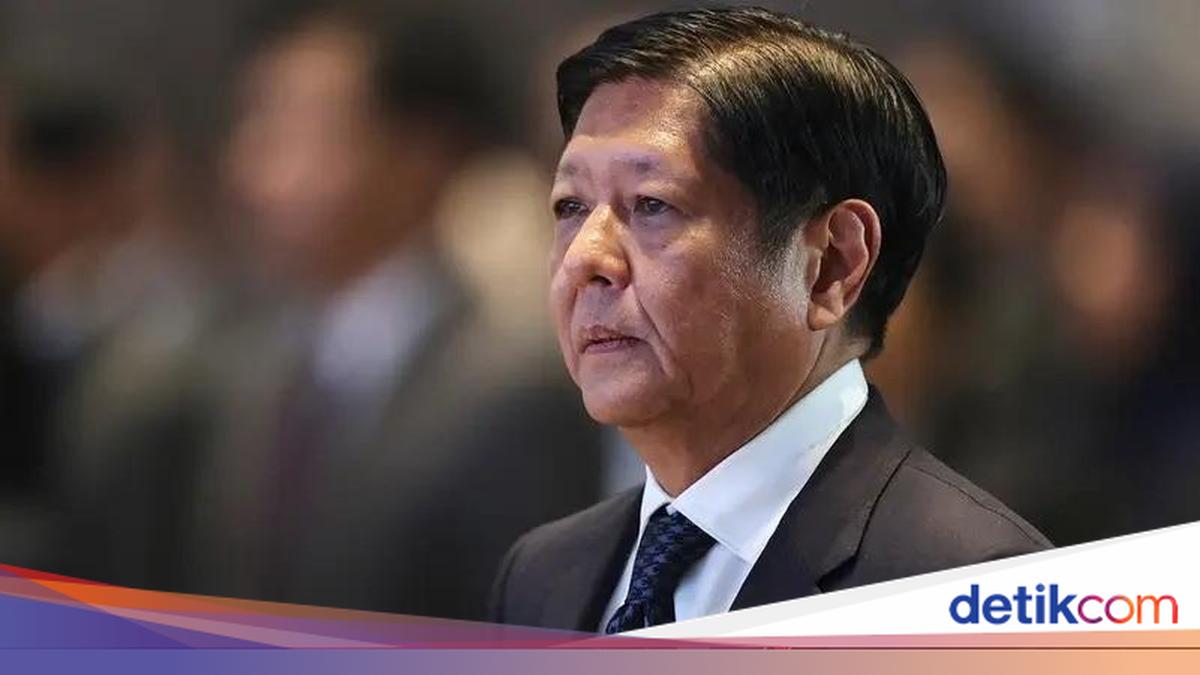
President Ferdinand Marcos Jr. of the Philippines announced the temporary implementation of a four-day working week in several executive-branch offices starting on Monday, 9 March, in response to rising fuel prices linked to the war in the Middle East. He said the measure is part of the government’s effort to conserve energy and reduce fuel consumption as global oil prices rise amid the conflict between the United States and Israel against Iran.
“From the government side, starting Monday, 9 March, we will implement a temporary four-day working week in several executive-branch offices. This does not include offices that provide emergency services or essential services, such as police, fire departments, and offices that provide front-line services to the public,” Marcos said in Filipino in a message on Friday (6 March), as reported by The Inquirer on Saturday (7 March 2026).
“In addition, I am directing all government agencies to conserve and reduce electricity use and fuel consumption by 10 to 20 percent,” he added.
He also announced a temporary ban on non-essential government travel and activities, such as meetings that can be conducted in-office.
The arrangement will remain in effect “until withdrawn or cancelled earlier by the president,” Marcos said. “For this purpose, all agencies are directed to formulate internal guidelines to ensure proper monitoring and documentation, including attendance verification, and performance standards and monitoring mechanisms, in accordance with applicable laws, regulations and provisions,” according to the circular issued by the Philippine government.
Marcos warned that closing strategic routes in the Hormuz Strait would directly affect local fuel prices. Next week petrol prices are forecast to rise by 7.48 pesos per litre, diesel by 17.28 pesos, and kerosene by up to 32.35 pesos per litre (price equivalents provided in Indonesian rupiah).
“We are victims of a war we did not choose,” Marcos said in a statement, as reported by AFP. “But we are the ones who control how we protect the Filipino people,” he added.