
Philippines Implements Work-From-Home to Conserve Fuel; Indonesia's Response Outlined by Bahlil
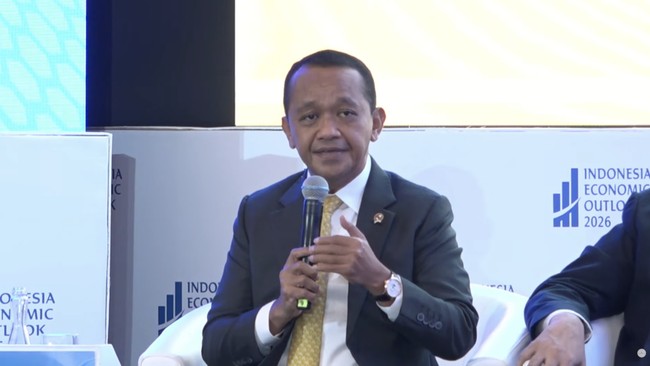
Jakarta — Indonesia’s Minister of Energy and Mineral Resources Bahlil Lahadalia has commented on neighbouring Philippines’ policy to conserve fuel through work-from-home (WFH) arrangements. The policy stems from the geopolitical conflict involving Iran, the United States, and Israel.
Indonesia has not yet issued fuel conservation directives. However, the government is currently examining measures appropriate for Indonesia’s specific conditions. Bahlil stressed that such policies must be tailored to each nation’s circumstances.
“We are currently conducting an exercise. What other countries do depends on their individual conditions,” Bahlil said during a visit to the Energy Ministry office in Jakarta on Monday, 9 March 2026.
The ministry is evaluating fuel consumption efficiency by maximising domestic energy sources. Bahlil outlined alternative approaches: “Efficiency measures include potentially accelerating B50 biofuel as an alternative, and accelerating E20 ethanol implementation. Should fossil oil prices exceed US$100 per barrel, fuel blending would become more economical.”
The minister reassured citizens that subsidised fuel prices will not increase until Eid. However, he declined to provide assurances regarding non-subsidised fuel prices.
“I assure the public there is no need to worry about fuel prices, as there will be no subsidised fuel price increases through Eid, God willing. That is, for subsidised fuel,” he stated.
Stable domestic fuel reserves should reassure the public against panic buying. “There is genuinely no need for panic buying,” he emphasised.
The Philippines’ President Ferdinand Marcos Jr. announced the implementation of a four-day working week at select Philippine executive branch offices beginning 9 March. This temporary measure addresses soaring fuel costs triggered by escalating Middle Eastern tensions.
Marcos stated: “From the government’s side, starting Monday, 9 March, we will temporarily implement a four-day working week at several executive branch offices. This excludes offices providing emergency or essential services, such as police, fire services, and front-line service offices.”
He directed all government agencies to implement significant energy conservation. “I have directed all government agencies to conserve and reduce electricity consumption and fuel expenditure by 10 to 20 percent,” he said.
Beyond reducing working days, Marcos temporarily banned official travel and non-urgent government activities, including in-office meetings that could be conducted remotely.