
Philippines Implements Four-Day Work Week to Save Energy; Bahlil: Policy Depends on Each Country's Conditions
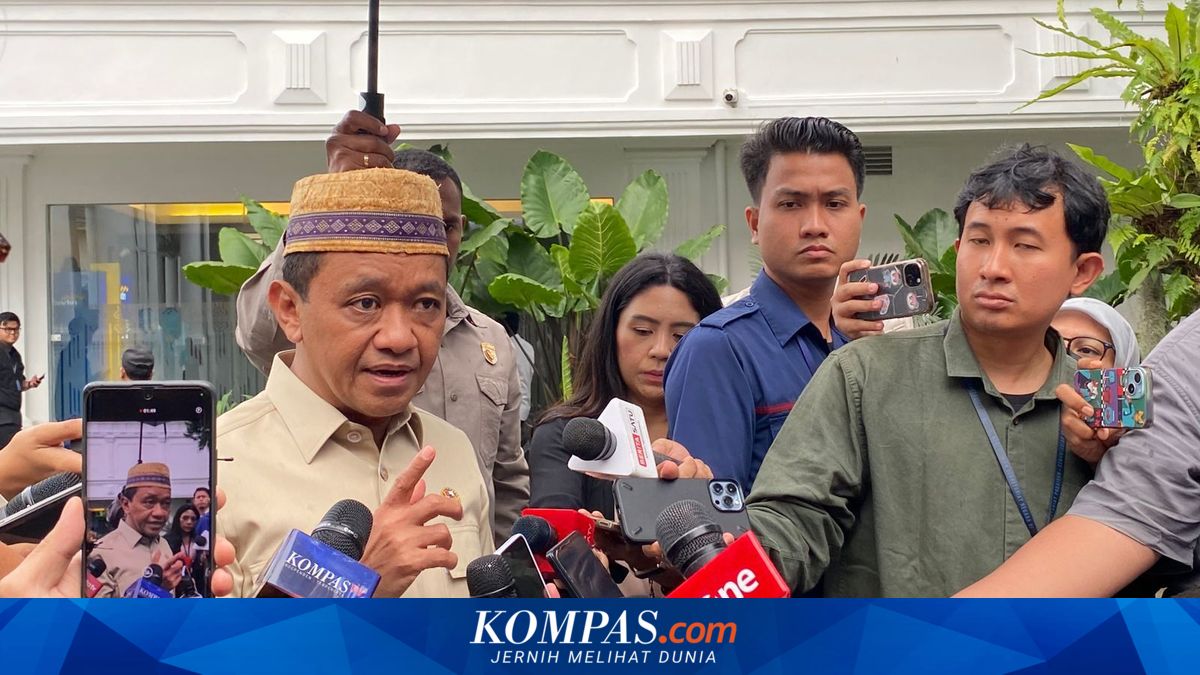
Jakarta — Indonesia’s Energy and Mineral Resources Minister Bahlil Lahadalia stated that each country has different policies suited to its own conditions in addressing energy supply disruptions and price volatility caused by escalating conflict in the Middle East.
This statement followed the neighbouring Philippines implementing a four-day work week policy to conserve energy consumption.
According to Bahlil, the Indonesian government is currently conducting a study to determine the most appropriate efficiency measures.
“We are conducting an exercise. What other countries do depends on their own conditions. We will also see how important it is and what steps we should take to implement efficiency,” he said at the Energy and Mineral Resources Ministry in Jakarta on Monday (9 March 2026).
One measure the government is considering is accelerating the development of renewable energy-based blended fuels.
For instance, accelerating the implementation of B50 biodiesel — a blend of 50 per cent diesel with 50 per cent palm oil — and the introduction of E20, which is 20 per cent ethanol blended with 80 per cent petrol.
“We will increase the blend for diesel from B40 to B50. Or we can make it mandatory for petrol with ethanol and that is cleaner,” he said.
According to Bahlil, the government is preparing various measures to maintain stable national energy supply amid current global volatility.
“So there are several steps we will take. Of course, given the situation, the government is thinking about finding good alternatives in order to maintain national energy supply,” he said.
Furthermore, Bahlil assured that the government has not planned to restrict public energy consumption in the near term.
He said the government’s current focus is ensuring energy availability remains secure ahead of Eid al-Fitr celebrations.
“We are thinking about the holidays first. The holidays must be secure, that is the most important priority,” Bahlil stressed.
For context, Philippine President Ferdinand Marcos Jr. decided to implement a four-day work week policy starting 9 March 2026 to conserve energy consumption.
The policy applies to executive branch government offices and does not include emergency or essential services, such as the police, fire department, and offices that directly serve the public.
“Starting Monday, 9 March, we will temporarily implement a four-day work week in some executive branch offices. This does not apply to emergency or essential services,” Marcos said in his official statement, quoted from The Philippine Inquirer on Monday (9 March 2026).
In addition to reducing work days, all government agencies have been asked to reduce electricity and fuel costs by 10-20 per cent.
Non-essential official travel and activities that can be conducted in the office have also been temporarily prohibited.
The policy will remain in effect until Philippine President Marcos issues a withdrawal or further modification.