
Philippines Declares National Energy Emergency Following US-Israel Attack on Iran
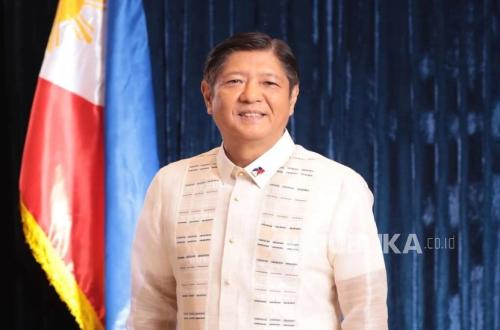
Philippine President Ferdinand Marcos Jr announced a national energy emergency on Tuesday in response to the Middle East conflict and what he described as an “imminent danger” to the country’s energy supplies.
Marcos stated that a committee has been formed to ensure the orderly movement, supply, distribution, and availability of fuel, food, medicines, agricultural products, and other essential goods.
In an executive order presented to the media, Marcos said the conflict has created uncertainty in the global energy market, severe supply chain disruptions, and significant volatility and mounting pressure on international oil prices, “thereby posing a threat to the country’s energy security”.
“The declaration of a national energy emergency will enable the government… to implement responsive and coordinated measures under existing laws to address the risks posed by global energy supply disruptions and the domestic economy,” he said.
The declaration, which will last for one year, gives the government authority to procure fuel and petroleum products to ensure timely and adequate supplies and, if necessary, to make partial advance payments on contract amounts.
Philippine Energy Minister Sharon Garin stated earlier on Tuesday at a press conference that the country has about 45 days’ worth of fuel supplies based on current consumption levels.
She said the government is working to secure 1 million barrels of oil from countries within and outside Southeast Asia to build buffer stocks, but there may be uncertainties in subsequent orders.
The declaration will allow the government to act more swiftly and bypass usual procedures in responding to the impacts of the Middle East conflict, which has driven up oil prices and upended global markets.
Marcos also directed the finance ministry, in coordination with the Philippine central bank, to closely monitor the impact of the Middle East conflict on the Philippine peso, remittances, including the risk of peso depreciation.
Ahead of the executive order’s issuance, senators investigating government preparedness criticised the administration for what they called a lack of a unified and coordinated response to the oil price surge, which the economic planning minister said could trigger inflation levels not seen in years and weaken economic growth.
Transport workers, commuters, and consumer groups are planning a two-day strike starting Thursday to protest fuel price increases and what they describe as the Marcos administration’s failure to take action.