
Philippines Declares National Energy Emergency Due to Middle East War
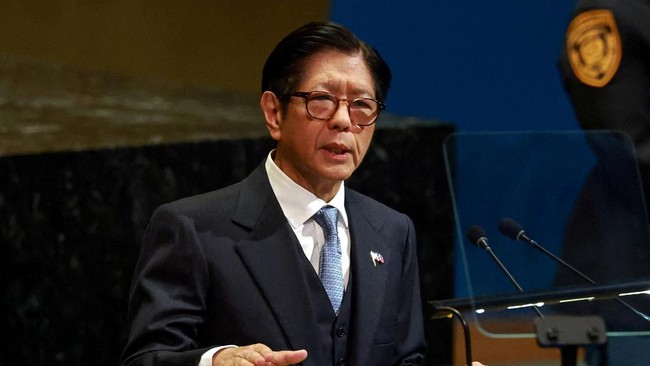
Philippine President Ferdinand R. Marcos Jr. has officially declared a national energy emergency due to threats of fuel supply disruptions stemming from the escalation of conflict in the Middle East region. The declaration was established through Executive Order (EO) No. 110, signed today, Tuesday (24/3/2026), taking into account the Philippines’ position as a country highly dependent on imports of petroleum products. Citing the Philippine News Agency (PNA), the Philippine government has identified that the heating geopolitical situation in the Middle East, particularly the potential closure of the strategic Strait of Hormuz route, could trigger disruptions in global oil production and transportation. This condition is assessed as having a high potential to cause a domestic fuel supply crisis while also sparking price volatility that threatens the country’s economic stability. “As a net importer of petroleum products, the Philippines remains highly dependent on external fuel supply sources and is therefore vulnerable to disruptions in global oil production and transportation,” states the Executive Order No. 110 document, according to PNA on Tuesday (24/3/2026). Furthermore, the Philippine Energy Minister has recommended to the President that the current situation presents a danger threatening energy supply resilience at a critical level. Therefore, the establishment of this emergency status provides a legal basis for the government to execute swift and coordinated measures to protect the economy and the public. In response, President Marcos has instructed the formation of a special committee to oversee the implementation of the Unified Package Framework for Livelihoods, Industries, Food, and Transportation (UPLIFT). The committee is given full mandate to closely monitor the distribution of fuel, food, medicines, and to ensure the smooth operation of public transportation and healthcare services. Additionally, the government will crack down firmly on any forms of hoarding, profiteering, or manipulation of energy supplies in the market. In the short term, the Department of Energy (DOE) is ordered to immediately roll out energy supply management measures, including fuel optimisation plans and enforcement of efficiency. Meanwhile, for the long term, EO 110 also mandates the acceleration of the transition to renewable energy and the promotion of electric vehicle use in the public transportation sector to reduce dependence on petroleum. To ensure supply availability, the DOE, along with the Philippine National Oil Company (PNOC) and PNOC Exploration Corporation, is granted special authority to procure fuel. In urgent situations, the Philippines will allow advance payments exceeding the 15% limit of the procurement contract value, with the approval of the Energy Minister. The national energy emergency status will be effective for one year from its publication in the official state gazette, unless the President decides to extend or revoke it earlier. Funding for the implementation of these emergency policies will be drawn from allocations in the budgets of relevant ministries as well as other sources identified by the Department of Budget and Management.