
Philippines Declares National Energy Emergency, Bangladesh Faces Fuel Crisis, South Korea Activates Alert Mode
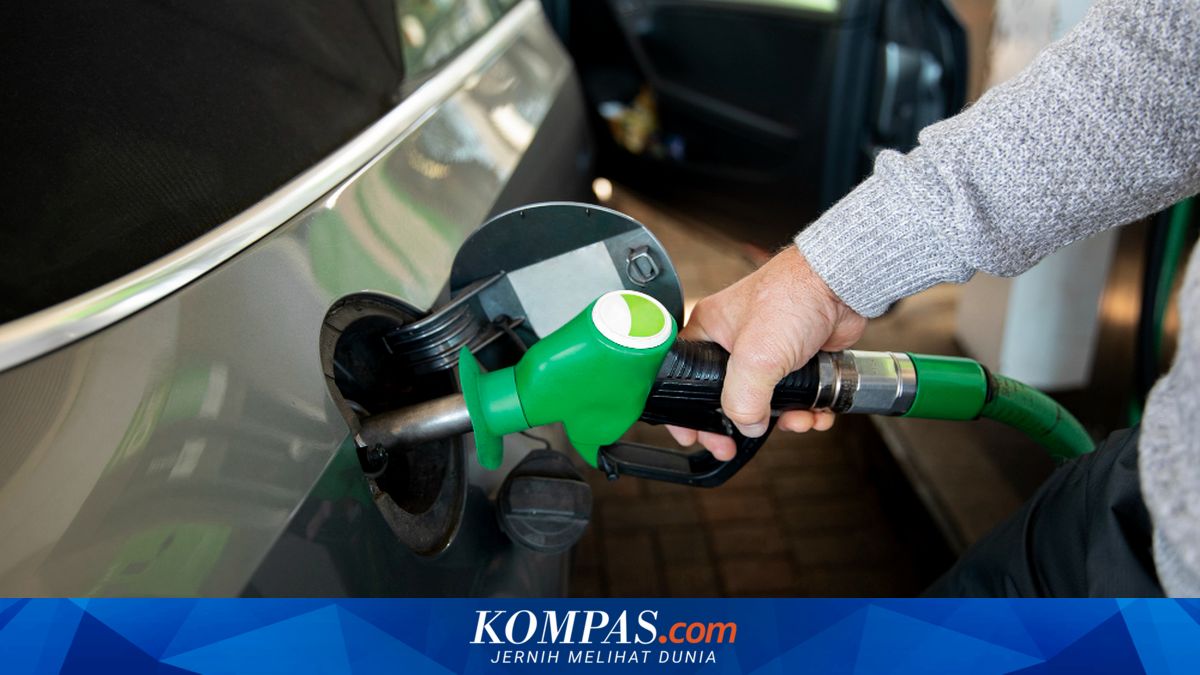
JAKARTA - Several Asian countries have declared energy emergency status. Supply disruptions are emerging alongside the conflict in the Middle East. The Philippines, Bangladesh, and South Korea are facing different pressures.
The Philippines has taken swift action. President Ferdinand Marcos announced a national energy emergency on Tuesday (24/3/2026). Risks to fuel supply and energy stability are increasing.
“A national energy emergency is hereby declared in view of the ongoing conflict in the Middle East and the dangers it poses to the availability and stability of the country’s energy supply,” stated the executive order released on Tuesday evening, quoted from AFP, Tuesday (24/3/2026).
An emergency fund of 20 billion pesos has been prepared. Its value is approximately Rp5.61 trillion or equivalent to 333 million US dollars. This fund will be used to purchase up to 2 million barrels of fuel. The purchases include refined oil products and liquefied petroleum gas or LPG, liquid petroleum gas.
Import dependency is the main issue. Almost all of the Philippines’ crude oil comes from the Middle East. Saudi Arabia is the primary supplier. President Marcos stated that national oil reserves are around 45 days.
Bangladesh is facing a different situation. The fuel oil crisis has triggered long queues at public filling stations. Chaos has emerged in various regions.
The supply is deemed unable to keep up with the surge in demand. The association of petrol station owners has expressed serious concerns. Operations are threatened with suspension if the situation does not improve.
“The daily supply volume is clearly inadequate compared to the existing demand,” stated the association, quoted from The Economic Times, Thursday (26/3/2026).
The situation is considered critical. The problem is not only with supply. Security risks are increasing and threatening petrol station operations.
The association also criticised the government. Distribution is deemed unsafe. Oversight is weak and field responses are minimal.
“This situation reflects extreme mismanagement and irresponsibility,” wrote the association.