
Phenomenon of Shuttered Shop-Houses in Cengkareng: Sign of Economic Weakness or Changing Times?
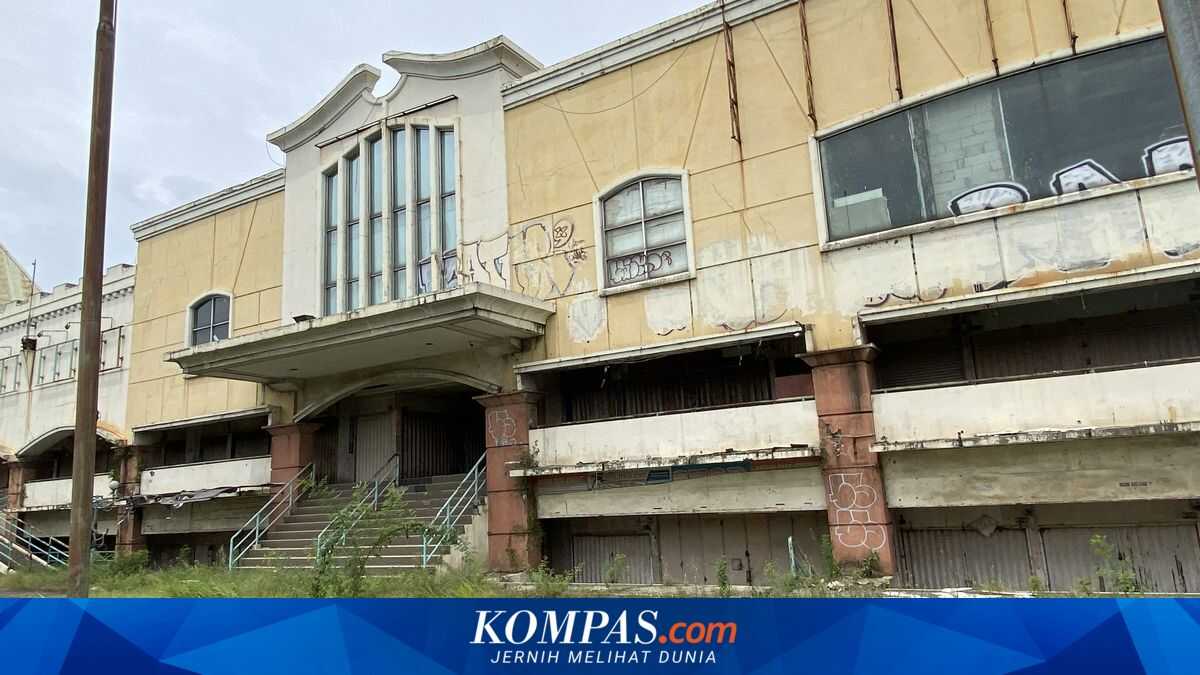
JAKARTA – The phenomenon of shuttered shop-houses and vacant commercial buildings in Gedung Puri Agung, East Cengkareng, West Jakarta, is viewed as more than a reflection of local economic weakness.
Economist and Head of Macroeconomics and Finance Centre at the Institute for Development of Economics and Finance (INDEF), M. Rizal Taufikurahman, sees the condition as part of structural change in urban economy that has yet to be met with appropriate functional area adaptation.
“If partnership is pursued, the most feasible approach is public-private partnership (PPP). The government reduces initial risk through zoning adjustments, tax incentives, and infrastructure access, whilst the private sector manages economic functions,” said Rizal when contacted on Friday (27 February 2026).
According to him, the numerous shuttered shop-houses at Puri Agung better reflect retail restructuring than simple economic weakness.
Previously, shop-houses served as goods distribution hubs dependent on physical consumer visits. Now, their role is largely replaced by marketplaces, digital platforms, and last-mile logistics.
This shift is also influenced by post-pandemic mobility changes. Areas dependent on commuter workers have not fully recovered due to hybrid work patterns, so daily consumption has also declined.
“Economic activity has not disappeared, but rather shifted from physical retail to online sales, cloud kitchens, or micro warehouses,” said Rizal.
Additionally, there has been excess retail property supply since before the pandemic. Shop-house growth has outpaced business demand, whilst purchasing power has stalled and financing costs have increased. As a result, many units have become vacant.
Rizal views this phenomenon as requiring understanding of area functional restructuring. The area must adapt to service functions, education, healthcare, or small-scale logistics to remain productive.
Investors read this condition as weak real demand, so risk premiums rise, rental prices adjust downwards, and investment interest stalls.
“Without revitalisation, the area risks experiencing urban commercial decline. Occupancy falls, businesses relocate, local employment opportunities shrink, and regional revenue weakens. A downward spiral forms, becoming quieter, more businesses leave, until environmental quality and public services deteriorate,” said Rizal.
He emphasised that before entering a public-private partnership (PPP) scheme, the local government should conduct a needs audit for the area.
This mapping is important to determine the most relevant functions, such as primary healthcare services, skills education, childcare, professional services offices, or micro-logistics hubs suited to Cengkareng’s character as a densely populated area close to major mobility centres.