
Phase II Downstreaming Begins, Indonesia to Have Integrated Palm Oil Industry in Sei Mangkei
The government has begun a new chapter in the national downstreaming programme. Thirteen strategic projects with an investment value of around Rp116 trillion have officially entered the construction phase this year. This step is seen as an effort to strengthen natural resource management while promoting national economic independence.
The groundbreaking ceremony for Danantara Phase II 2026 was conducted by President Prabowo Subianto in Cilacap, Central Java. In his speech, the President emphasised the importance of downstreaming as a long-term strategy to increase the added value of domestic commodities.
“Today is quite historic; we are starting the second phase of downstreaming, which covers 13 strategic projects,” said Prabowo.
He added that the government will not stop at this stage. Several follow-up projects have even been prepared to expand the scope of downstreaming in various sectors, from energy to agriculture.
This programme is also supported by financing consolidation through the Danantara Investment Management Agency. Danantara CEO Rosan Roeslani stated that they are focused on optimising strategic state-owned enterprise assets so that downstreaming projects have a strong funding foundation.
According to Rosan, synergy between institutions is key to ensuring that these large-scale projects run in a measured manner while delivering sustainable economic impacts.
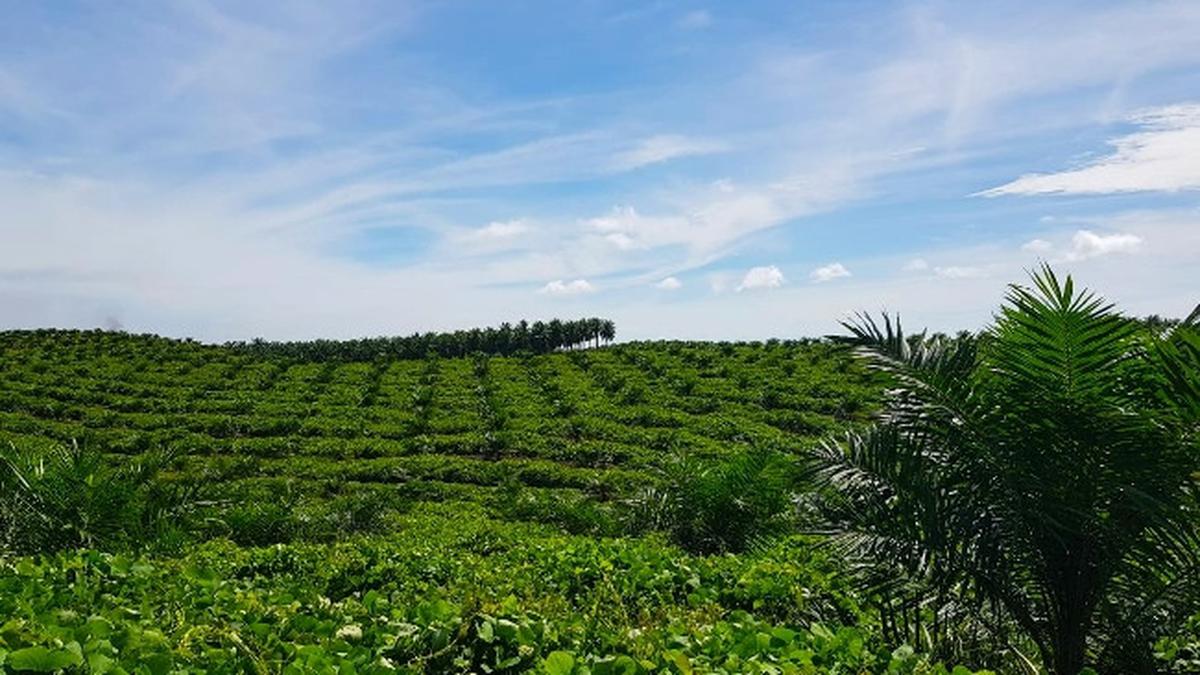
In the plantation sector, the implementation of the second phase of downstreaming is starting to become visible through the construction of palm oil processing facilities in the Sei Mangkei Special Economic Zone, Simalungun Regency, North Sumatra. This project is being handled by PTPN III sub-holding (Perseo) and PTPN IV PalmCo as part of the national palm oil industry transformation.
Palm Oil Derivative Industry Development
PTPN III (Persero) Business Director Ryanto Wisnuardhy said that developing the palm oil derivative industry is an important step to reduce dependence on energy imports, particularly diesel fuel. “Our diesel needs are still very large. Through palm-based biodiesel, we aim to strengthen domestic supply,” he said.
This need is estimated to increase along with the planned implementation of the B50 biodiesel blend programme in the near future.
Technically, the facilities being built in Sei Mangkei include food and energy industries in one integrated zone. In a separate location, PTPN IV PalmCo Director Jatmiko Santosa explained that the oleofood factory will produce margarine and shortening with a capacity of 35,000 tonnes per year, as well as around 25,000 tonnes per year of cocoa butter substitute.
In addition, a biodiesel factory with a capacity of 450,000 tonnes per year is also under construction and is targeted to start commercial operations in 2028.
Palm Oil Product Processing
According to Jatmiko, processing palm oil products domestically can significantly increase added value compared to selling raw materials. “If processed, its economic value can increase up to dozens of times over,” he said.
Meanwhile, the local government welcomes the construction positively. Simalungun Regent Anton Achmad Saragih views this project as able to drive regional economic transformation while opening new job opportunities. “Downstreaming not only increases production but also changes the economic structure from upstream to downstream in a more modern way,” he said.
With the start of these projects, the government hopes that downstreaming will not just be an industrialisation programme, but also a foundation for energy sovereignty and strengthening the national economy in the long term.