
Pharmaceuticals, Hospitals and Creative Economy Seen as Promising Investment Sectors in Bali
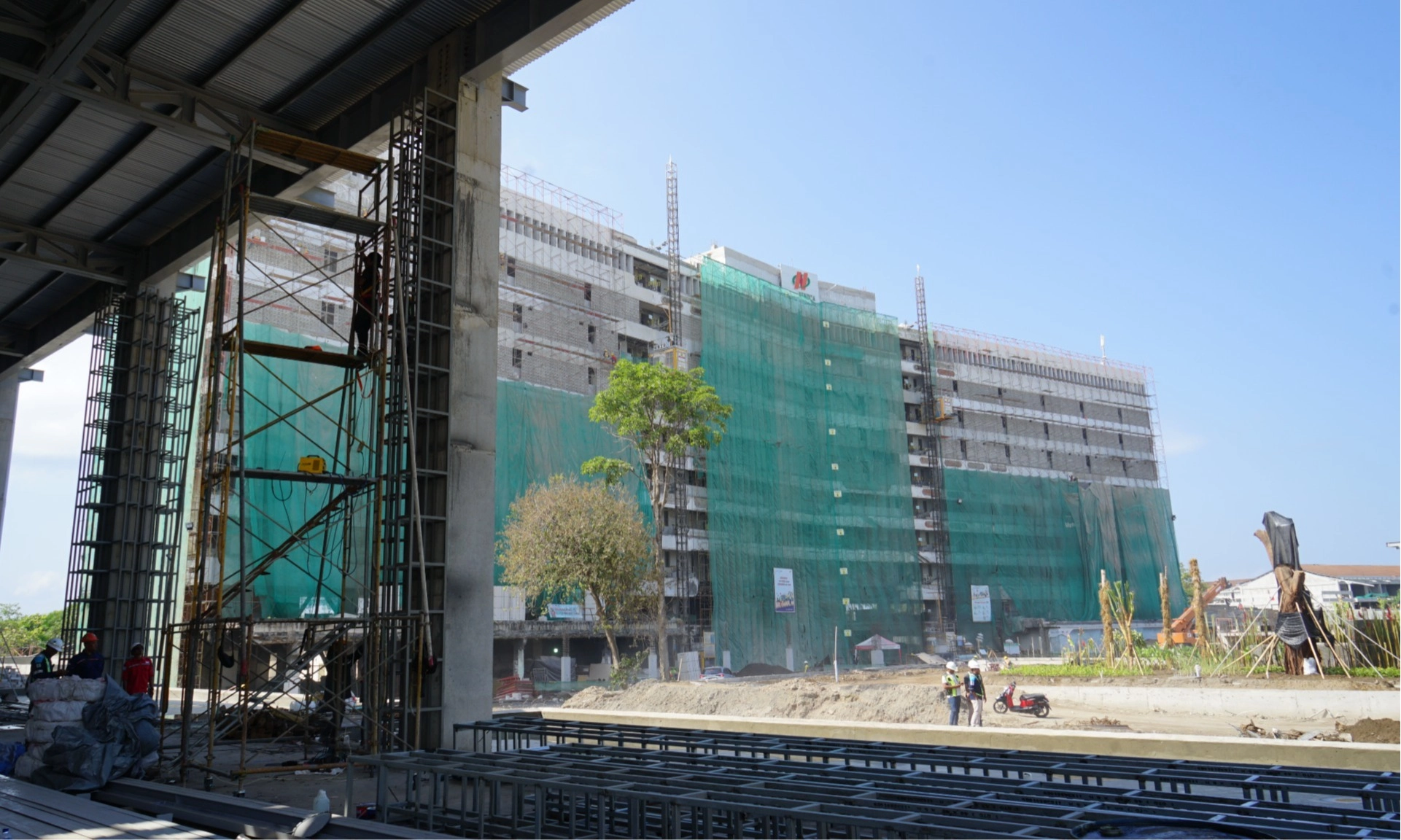
DENPASAR — The pharmaceutical industry, hospital construction and the creative economy present significant opportunities for attracting investment in Bali, according to the Ministry of Investment and Downstream Industries/Investment Coordinating Board (BKPM), which is offering these sectors to foreign investors.
“This is what we will offer so that investors do not only focus on the tertiary sector,” said Dedi Latip, Deputy for Investment Planning at the Ministry of Investment and Downstream Industries/BKPM, on the sidelines of the opening of the Bali Jagadhita 2025 business and SME exhibition in Denpasar, Bali, on Monday.
Combined foreign direct investment (FDI) and domestic investment figures show that investment in Bali has been overwhelmingly concentrated in the tertiary sector. To attract further investment, the region needs to promote sustainable and environmentally friendly investment in line with current demands.
BKPM is now proposing that these industries be accommodated within the Health Special Economic Zone (SEZ) in Sanur, Denpasar — the first of its kind in the country — alongside the tourism sector, which remains the largest component of the Island of the Gods’ economy.
Investment realisation in Bali reached Rp36.5 trillion in 2024, comprising Rp24.21 trillion in foreign investment and Rp12.31 trillion in domestic investment. During the first quarter of 2025, investment realisation reached Rp12.26 trillion, of which Rp7.70 trillion was foreign and Rp4.55 trillion domestic.
By sector, hotels and restaurants occupied the top position at nearly 30 per cent, followed by housing, industrial estates and offices at 24 per cent, other services at 15 per cent, transport, warehousing and telecommunications at 8.5 per cent, with the remainder in trade and repairs.
“How do we ensure investment is not solely directed at hotels and restaurants or other tertiary activities? We are trying to encourage this by inviting foreign investors in the hope they will support downstream processing and bolster existing industries,” Latip said.
Separately, Bali Governor Wayan Koster called for strict investment screening to respect spatial planning and culture, whilst prioritising local human resources.
“We are actively empowering local resources — the economy, business operators and human resources — to favour local capacity,” Koster said at the same exhibition.
He stressed that Bali’s economic development must strengthen local foundations, including boosting exports of culture- and nature-based local products such as traditional salt, organic coffee and handicrafts.
Koster expressed hope that the Bali Jagadhita Exhibition, running from June to July 2025 and held annually since 2020, would serve as a platform to promote Bali’s investment potential. This year’s event focuses on three pillars: trade, investment and tourism through a green and sustainable economic approach.
The Governor expressed confidence in Bali as an investment destination, citing the island’s stable economy following its contraction in 2020 due to the pandemic. According to Statistics Indonesia (BPS) Bali, the province’s economic growth in the first quarter of 2025 reached 5.52 per cent, surpassing the national average of 4.87 per cent.