
Pharmaceutical Industry's Preparedness for Halal Certification
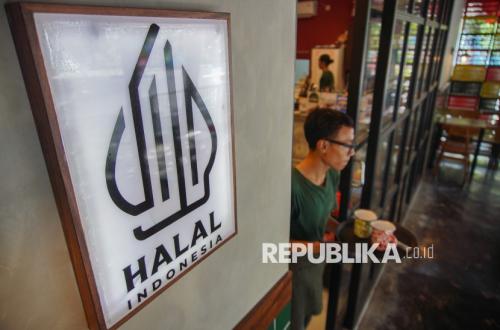
The national pharmaceutical industry is continuously working to strengthen its preparedness to face the mandatory halal certification obligation, which will fully apply on 17 October 2026. This regulation is not only seen as an administrative requirement but as a strategic step to improve healthcare service quality while enhancing the industry’s competitiveness. Industry players are beginning to promote the implementation of an integrated system to ensure halal standards are met comprehensively. Dexa Group is one of the companies expressing its commitment through a ‘halal by design’ approach, ensuring halal aspects from the research stage, raw material selection, production process, to distribution. Head of Corporate Quality Audit & Pharmacovigilance at Dexa Group, Apt. Dwi Nofiarny, emphasised that fulfilling halal certification requires consistency across the entire industry value chain. “Halal must be built from the beginning. From research, raw materials, production, to distribution. Everything must be controlled,” she stated during the Webinar Road to International Islamic Healthcare Conference & Expo (IHEX) 2026 in Jakarta. According to her, integrating the Halal Assurance System with Good Manufacturing Practice (GMP) standards is one of the keys to effective implementation without disrupting product quality and safety. Additionally, traceability of raw materials is a primary concern in maintaining halal integrity. Currently, more than 1,700 Dexa Group products have been halal certified and distributed to over 13,000 healthcare facilities in Indonesia. The company has also been building a halal assurance system gradually since 2018. On the other hand, the industry also faces the challenge of maintaining supply continuity. Halal certainty is deemed necessary to run in parallel with product availability to keep healthcare services optimal. The need for halal medicines is further strengthened along with the development of sharia-based healthcare services. CEO of RS YARSI, Dr. Mulyadi Muchtiar, stated that sharia hospitals require comprehensive ecosystem support. “This is not just an Islamic label, but a governance system that integrates modern medical quality with maqasid al-shariah values,” he said. In practice, the use of halal medicines becomes part of the clinical pathway as a service standard, except in emergency conditions. With Indonesia’s dominant Muslim population, halal certification on pharmaceutical products is seen as part of fulfilling consumer rights as well as strengthening healthcare service quality. The 2026 deadline thus becomes a momentum for the pharmaceutical industry to continue improving and strengthening a sustainable halal ecosystem.