
PGN to Add More Than 230 km of Gas Pipeline Network in 2025
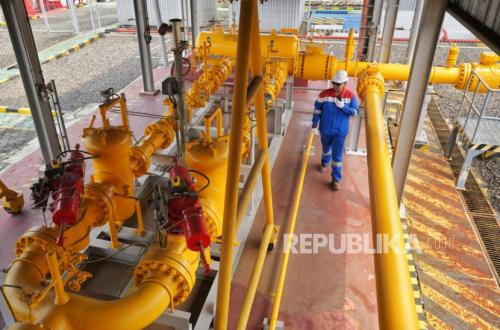
PT Perusahaan Gas Negara Tbk (PGN) will add more than 230 kilometres of distribution pipeline network in 2025. This infrastructure expansion aims to strengthen gas energy supply for the industrial sector and power plants.
Throughout 2025, PGN recorded a natural gas trading volume of 836 BBTUD. Meanwhile, natural gas transmission volume rose 4 percent to 1,609 MMSCFD compared with the previous year, in line with rising customer uptake.
Operational performance is also supported by the LNG infrastructure segment. Regasification volumes through the Lampung FSRU and Arun Regasification Terminal reached 254 BBTUD, up 17 percent, underpinning the reliability of gas delivery to the industrial sector and power plants.
In the oil transportation segment, PGN recorded a transport volume of 174,811 BOEPD. This achievement was driven by increased oil transport activity through the pipeline network that has been in operation.
PGN also maintained system reliability with an availability rate of 98.84 percent. Strengthening infrastructure is part of efforts to ensure energy supply continuity for customers.
Corporate Secretary Fajriyah Usman said PGN continues to optimise its natural gas and LNG portfolios to maintain energy delivery stability. Coordination with the government and stakeholders is being strengthened.
“Reliability of natural gas transmission to customers remains PGN’s top priority. We optimise the utilisation of gas and LNG infrastructure and apply adaptive volume management to ensure the continuity of energy services to customers,” Fajriyah said in a press release on Saturday, 7 March 2026.
Contributions from subsidiaries and affiliates also rose. LPG processing volume stood at 117 metric tons per day, up 8 percent, while oil and gas lifting reached 17,519 BOEPD.
In the international LNG trading segment, PGN shipped seven LNG cargoes or about 59 BBTUD to the global market during 2025.
In its 2025 financial statements, PGN made an asset fair value adjustment for its upstream subsidiary entities. The adjustment was driven by changes in reserve assumptions and was made in accordance with accounting standards and applicable upstream regulations.
The company stressed that the adjustment is non-cash and does not affect operating cash flow or the continuity of the business. Operational performance and cash flow remained robust despite the asset value adjustment.
With this step, the financial statements better reflect current conditions and strengthen the financial footing going forward. It also supports focus on PGN’s main business in the midstream and downstream segments.
Beyond strengthening operations, PGN continues to exercise disciplined financial management through cost efficiency and cash optimisation. In 2025, general and administrative expenses fell by USD 33.3 million or about 17 percent compared with the previous year.
Profit from joint venture entities rose to USD 76.4 million. Supported by solid operating performance, PGN booked revenues of USD 3.9 billion in 2025, up 5 percent from the previous year.
Operating profit was USD 519.6 million, while net income reached USD 215.4 million. The company also posted EBITDA of USD 971.2 million with positive operating cash flow of USD 657.1 million.
Fajriyah said PGN’s performance is supported by a diversified business portfolio in the midstream and downstream segments, including transmission and distribution of natural gas, LNG, and contributions from subsidiaries and affiliates.
“We consistently apply prudent cash management and portfolio principles, including selective steps on priority projects. This strategy is important to strengthen corporate resilience in facing future challenges,” Fajriyah said.
PGN also continues to strengthen its role in supporting the national energy transition through integrated and sustainable natural gas infrastructure. The company believes that strengthening the fundamentals of the business and operational efficiency are key to maintaining business stability and creating long-term value for stakeholders.