
PGN strengthens ESG through plastic waste management initiative
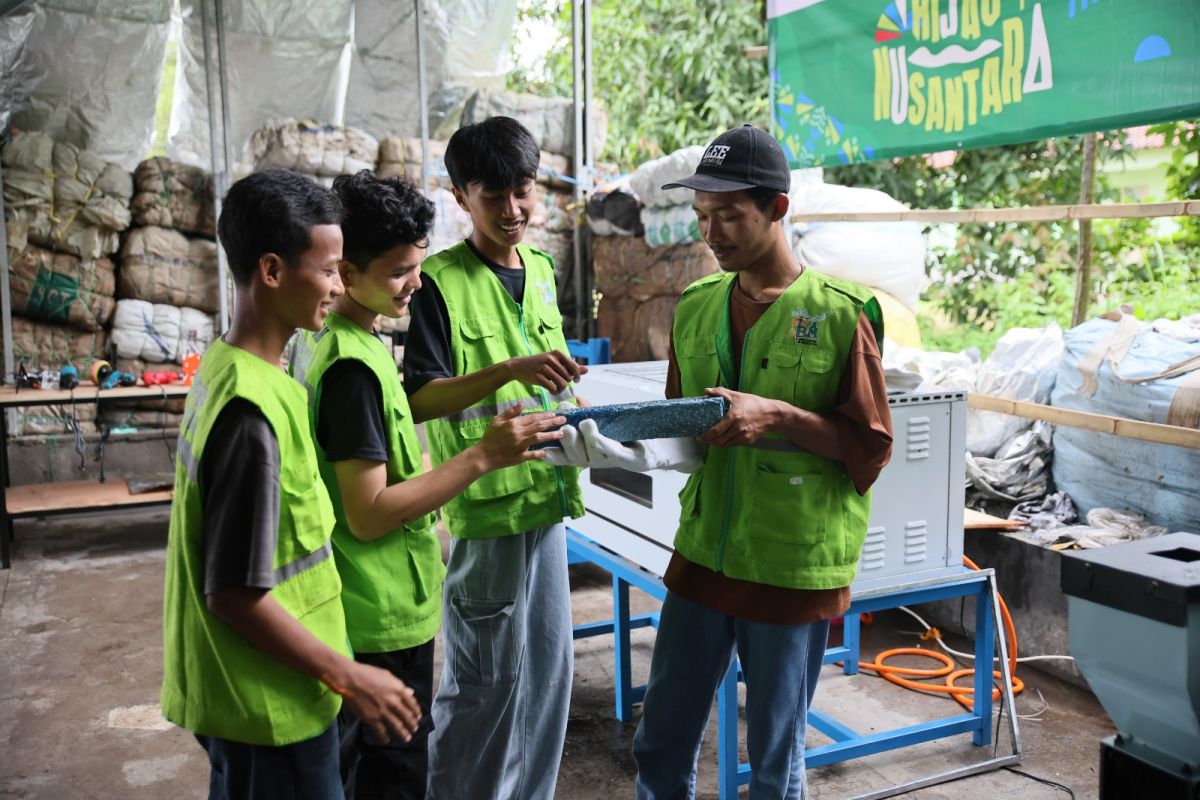
PT Perusahaan Gas Negara (Persero) Tbk/PGN is welcoming its 61st anniversary by strengthening its commitment to implementing Environmental, Social, and Governance (ESG) through one of its CSR programmes that introduces an initiative to manage plastic waste into value-added products.
This initiative serves as an effort to promote self-reliant waste management at company locations, thereby providing tangible benefits to the environment while creating added value for the community.
PGN’s Corporate Secretary, Fajriyah Usman, stated in Jakarta on Tuesday that the programme is not merely an environmental management activity but also part of efforts to build a sustainability culture involving all company elements.
In its implementation, PGN has prepared an integrated plastic waste management system, starting from the sorting process by all PGN employees, collection and management together with Kertabumi Recycling Centre, to final processing in collaboration with Bank Sampah Al-Bustaniyah.
“This programme also represents PGN’s concrete commitment to delivering sustainable social and environmental impacts,” said Fajriyah.
To strengthen the programme’s execution, PGN is also receiving guidance from Kompas, National Geographic (NatGeo) Indonesia, and Kertabumi Recycling Centre in expanding environmental awareness campaigns and encouraging the adoption of circular economy practices within society.
“We hope that through this initiative, public awareness of the importance of environmental preservation will increase further, thereby encouraging the community to manage plastic waste more wisely,” she said.
This, according to him, triggers various environmental problems such as pollution, increased greenhouse gas emissions, and the risk of ecosystem damage due to plastic waste accumulation. This situation underscores the need for collaboration and concrete actions in creating sustainable waste management.
“Waste problems cannot be solved individually. Collaboration is required between companies, communities, and society to build more responsible waste management habits and promote circular economy implementation that provides real impacts on the environment,” said Ikbal.
According to him, PGN’s approach through education, sorting, collection, and processing of waste into useful products is a positive step that not only impacts the company’s environment but also enhances public awareness of the importance of responsible waste management.
On the other hand, Editor of National Geographic Indonesia, Ade Sulaeman, explained that plastic waste problems now not only pollute the environment but have also become a serious threat to human health. Based on various researches presented, microplastic and nanoplastic particles have even been found in the air, rainwater, and human bloodstream.
“This condition shows the increasingly widespread and invisible impact of plastic waste, thus requiring increased awareness and changes in public behaviour to reduce single-use plastic consumption,” Ade emphasised.
According to Ade, through cross-sector collaboration, plastic waste reduction efforts can be carried out more effectively. He views consistent education and involvement of various parties as key to building public awareness of the impact of plastic waste on the environment and human health.