
PGN Adds 230 km of Pipeline in 2025, Natural Gas Infrastructure Expands
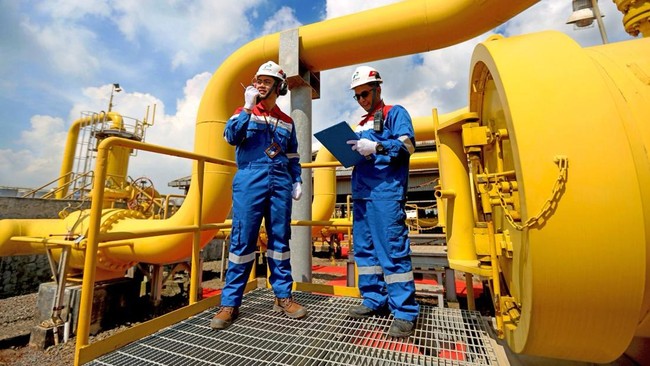
PT Perusahaan Gas Negara (Persero) Tbk (PGN), a Pertamina gas sub-holding, has reaffirmed its commitment to expanding access to clean energy through strengthening national natural gas infrastructure. Managing more than 95% of Indonesia’s natural gas infrastructure, PGN successfully added more than 230 kilometres of distribution pipeline network in 2025.
This growth in natural gas pipeline network is driving PGN to strengthen the integration of pipeline infrastructure with non-pipeline infrastructure to ensure natural gas services become more extensive, reliable, and reach various segments of society. This step is also part of PGN’s strategy to address the growing domestic energy needs whilst supporting the transition towards cleaner and more efficient energy.
Throughout 2025, PGN distributed 836 billion British thermal units of natural gas across various customer segments, alongside growth in the number of customers to over 830,300. The integration of pipeline and non-pipeline infrastructure is valued as an important foundation in strengthening energy resilience and expanding service coverage to various regions and customer segments.
PGN Corporate Secretary Fajriyah Usman stated that 2026 is a strategic phase for the company in optimising integrated infrastructure. This is also to strengthen PGN’s natural gas distribution pipeline network, which has continued to grow over the past three years.
On the other hand, PGN entered 2026 in a stronger position because during 2025 PGN strengthened its foundations by ensuring robust health, safety, security and environmental (HSSE) aspects, reliable operations, healthy finances, prudent risk management and disciplined governance.
Fundamentally, PGN’s core midstream and downstream business remains strong, with operational and financial performance continuing to demonstrate sound resilience, with increased revenue and positive operational cash flow.
Infrastructure strengthening is being carried out in an integrated manner together with PGN’s subsidiary entities, including Pertagas, PGN LNG Indonesia, Gagas Energi Indonesia, and Nusantara Regas. This synergy enables service optimisation ranging from household, small and medium enterprises (SMEs), industry, transport, to public service sectors such as hospitals and social facilities.
“Managing natural gas infrastructure carries high risk, so the integration of technology and the application of safety standards are a top priority. With a strong and integrated infrastructure foundation, PGN is optimistic that it can continue to expand natural gas access to the public whilst supporting national energy resilience,” Fajriyah concluded.