
PGI highlights the importance of women's representation in politics
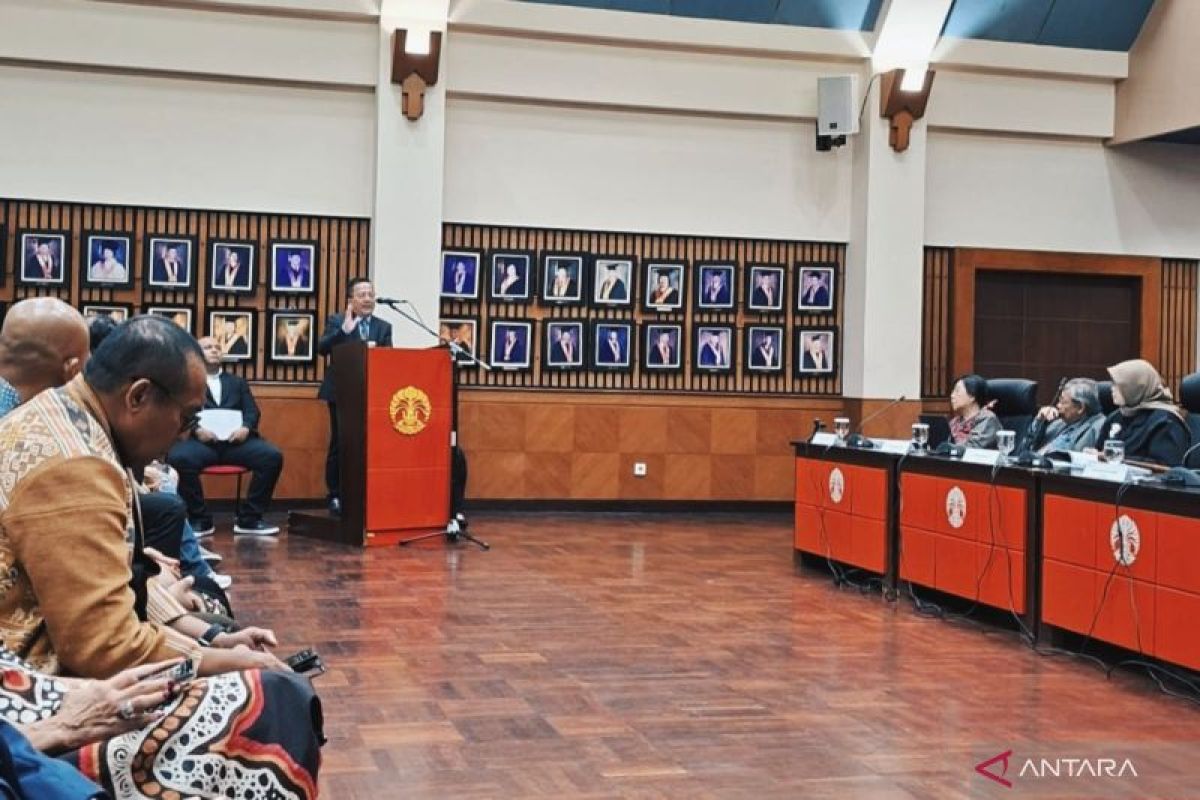
Jakarta (ANTARA) – The General Secretary of the Indonesian Churches Fellowship (PGI), Reverend Darwin Darmawan, stated the importance of women’s representation in politics, which is frequently expressed through a presence politics approach in leadership style. He conveyed this during a doctoral promotion examination at the Faculty of Social and Political Sciences (FISIP) of the University of Indonesia (UI) in Jakarta, on Monday (18 May), which examined the leadership patterns of two Chinese female politicians, namely the Mayor of Singkawang (West Kalimantan) Tjhai Chui Mie and the Chair of the Bangka Tengah Regional House of Representatives (Bangka Belitung Islands) for the 2019-2024 period, Me Hoa. “They openly use their Chinese identity, but not exclusively, and build legitimacy through cross-ethnic approaches and present themselves as leaders for everyone,” Darwin said in a statement in Jakarta, on Tuesday. In his study, Darwin used an ethics of care approach in local political practice. He also found two different leadership patterns influenced by the social-political context of each region. He said the approach is built through cross-ethnic coalitions and a focus on the basic needs of the people, such as infrastructure development, social services, and the protection of vulnerable groups. Meanwhile, in the Bangka Tengah case, Me Hoa is assessed as developing a leadership pattern that is more adaptive and negotiative amid Malay elite dominance in the local political structure. The study also highlights that substantive political representation is not only reflected through formal policies and regional regulations, but also through daily practices of leaders in maintaining social relations with the community. “Politics does not stop at electoral processes or the struggle for formal power, but exists in everyday social relations through presence, care, and the leader’s responsiveness to the people,” he said. He assessed that the practice of presence politics carried out by the two figures demonstrates a model of political representation that is more relational amid local political practices that are often transactional.