
PGE, UGM, and Agrotekno Develop Geothermal-Based Agricultural Booster
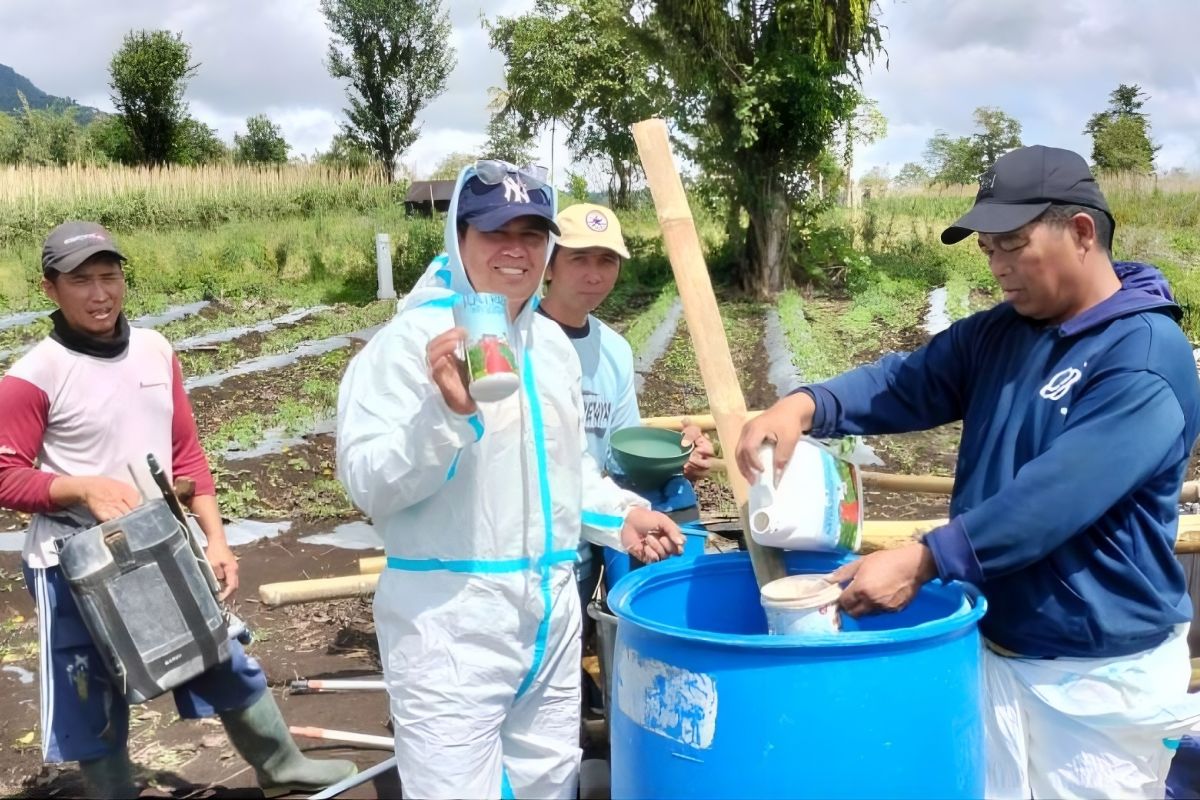
Jakarta (ANTARA) - PT Pertamina Geothermal Energy Tbk (PGEO) or PGE, together with the Faculty of Engineering at Gadjah Mada University and PT Agrotekno Estetika Laboratoris, signed the Joint Study Development Agreement for Project Beyond-Katrili. The collaboration among the three parties represents a strategic step towards developing an innovative, environmentally friendly agricultural booster based on geothermal energy. PGE Operations Director Andi Joko Nugroho stated in an official release in Jakarta on Monday that downstreaming energy is key to maximising Indonesia’s resource potential. “This collaboration accelerates innovation while implementing our vision of promoting sustainable development and national food security. Moving forward, the geothermal business will not only focus on electricity but extend beyond electricity to contribute to various sectors, including agriculture,” Andi said. He hopes that Project Beyond-Katrili can become part of the company’s broader strategy, both to enhance agricultural productivity and to expand the utilisation of geothermal energy. “This effort will continue to be strengthened through ongoing collaboration and research so that its benefits can be widely felt by society,” he added. Dean of the Faculty of Engineering at UGM, Prof. Selo, stated that universities play a crucial role in bridging research and the implementation of technology in society. “Therefore, the development of Katrili serves as a concrete example of integrating energy and food, while strengthening Indonesia’s position in developing new renewable energy amid global dynamics,” he said. From the supporting industry’s perspective, CEO of PT Agrotekno Estetika Laboratoris, Alexander H. Soeriyadi, sees great potential in silica content for improving plant resilience and harvest quality. Meanwhile, the UGM Faculty of Engineering research team, led by Pri Utami, stated that this innovation is based on an interdisciplinary scientific approach, combining geology, pharmacy, and agriculture to produce applicable and sustainable solutions. Through Project Katrili, the three parties integrate geothermal energy research with agricultural technology to produce a geothermal silica-based agricultural booster capable of improving soil quality, strengthening plant resilience, and sustainably increasing crop yields. Katrili contains silica and chitosan developed from the utilisation of abundant shrimp and crab shell waste in Indonesia. In addition to helping reduce waste, the chitosan content in Katrili also functions to protect plants and enhance growth quality. Its application involves mixing it with water and directly applying it to the soil, with dosages adjusted according to soil characteristics and commodity types. Currently, Katrili has been applied to various commodities, such as the Gustavii tomato variety, batik beans, shallots, and rice. Overall, the Katrili project demonstrates the strategic role of UGM’s Faculty of Engineering in producing impactful innovations through collaboration with industry. The integration of geothermal energy utilisation with the agricultural sector is an important step in promoting energy independence, food security, and inclusive, sustainable economic growth in Indonesia.