
PGAS Begins Exploring Hydrogen: Annual General Meeting Could Signal a New Direction for the Energy Business
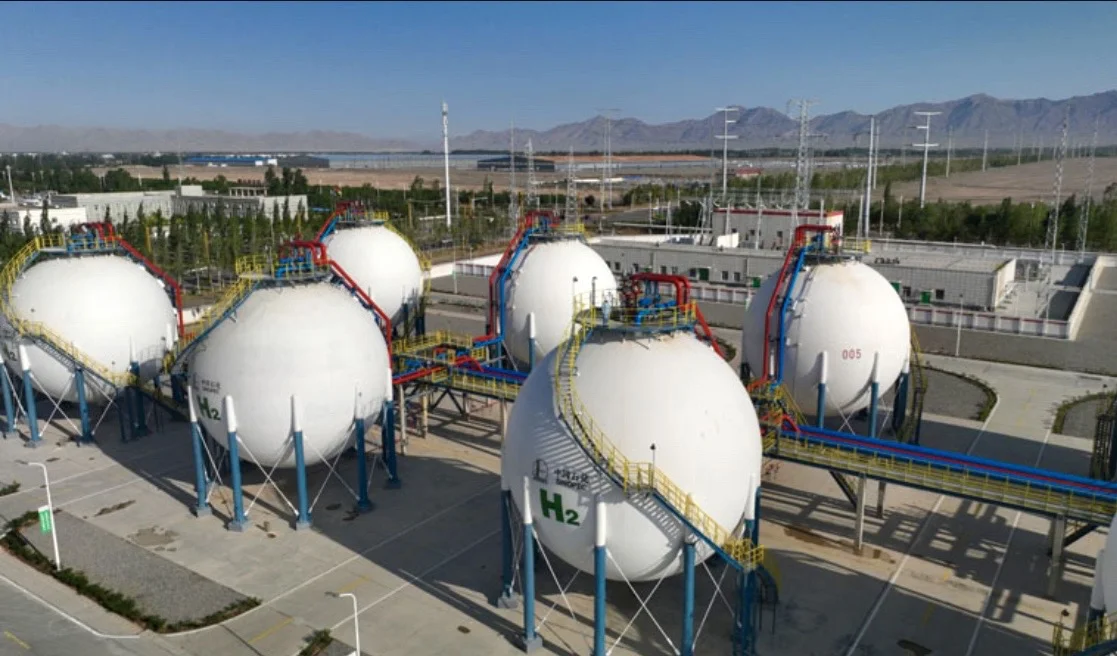
KABARBURSA.COM — The agenda for the Annual General Meeting of Shareholders (AGM) of PT Perusahaan Gas Negara Tbk (PGAS) on May 22 includes several routine decisions, ranging from the use of profits to changes in management. However, among these administrative items, there is one point that could potentially signal a longer-term direction for the company’s business.
PGAS will seek shareholder approval regarding the addition of PT Pertamina Gas (Pertagas)’s business activities to the new and renewable energy sector, including the hydrogen industry. This agenda item is listed as the seventh item in the 2025 annual meeting agenda.
At first glance, the change in business activities appears to be a typical corporate adjustment. However, amid the accelerating global energy transition, such decisions often serve as an early indicator of a change in a company’s business model.
In the AGM materials, PGAS explains that the planned addition of Pertagas’s business includes the New & Renewable Energy sector, with the gas industry classification, including hydrogen.
“There are plans to add business activities… in the field of New & Renewable Energy… including hydrogen,” it states in the PGAS AGM materials, as seen by KabarBursa.com on Friday, May 15, 2026.
This statement appears concise, but its implications could be far-reaching. In recent years, hydrogen has begun to be positioned as one of the future energy sources, as it is considered capable of supporting the decarbonization of heavy industry, transportation, and even power generation.
Countries such as Japan, South Korea, and Europe have included hydrogen in their national energy transition strategies. Global energy companies such as Shell and BP have also begun to expand their investments in green hydrogen projects.
The economic potential of hydrogen is one of the reasons why global energy companies are starting to move earlier. A study by the Hydrogen Council estimates that hydrogen could meet approximately 18 percent of the world’s energy needs by 2050 and create a market worth USD 2.5 trillion, or approximately IDR 42.250 trillion per year.
Indonesia has also begun to prepare the groundwork. The Ministry of Energy and Mineral Resources (ESDM) has issued a National Hydrogen Strategy, which places hydrogen as part of the energy transition with gradual utilization for industry, fertilizers, power generation, and transportation.
The projection of domestic hydrogen demand is expected to increase from approximately 1.8 million tons per year to 32.6 million tons per year by 2060. This surge indicates that the national hydrogen market is still in its early stages, but has the potential to grow significantly in the coming decades.
The question is, is PGAS starting to move in the same direction?
Hydrogen and the Dilemma of Energy Companies
Gas-based companies have faced new pressures in the last decade. On the one hand, natural gas is still seen as a transition energy that is cleaner than coal. However, on the other hand, global emission reduction targets are pushing energy companies to seek new growth opportunities outside of their conventional businesses.
Entering the hydrogen industry can be seen as an effort to open up this space. However, this step also carries consequences. The hydrogen business is not a sector that yields quick results. The development of infrastructure, technology, and end-user markets requires significant investment and time.
In other words, the decision to expand into the hydrogen business could potentially increase future capital expenditure needs.
At this point, the market usually begins to read further. It is not just about expansion, but also about how the company balances investment needs with shareholder expectations for profits and dividends.
The hydrogen agenda is becoming increasingly important because it is being implemented through Pertagas, a subsidiary that makes a significant contribution to PGAS.
The AGM documents note that Pertagas’s revenue based on the 2025 audited financial statements reached approximately USD 861.5 million, or IDR 14.56 trillion. This value contributes 21.67 percent to PGAS’s consolidated revenue, which reached USD 3.9 billion, or approximately IDR 65.91 trillion.
A contribution of more than 20 percent means that changes in Pertagas’s business activities must obtain approval from the AGM in accordance with OJK regulations. With such a large share of revenue, changes in Pertagas’s business direction could potentially affect PGAS’s overall long-term strategy.
“The planned addition of the company’s business activities is considered feasible and is projected to provide a positive contribution to the company’s financial performance in the future,” it states in the feasibility study mentioned in the AGM materials.
However, the projection of a positive contribution still depends on the speed of market adoption of hydrogen energy in Indonesia.
The PGAS AGM this year also includes other agendas, such as the potential assignment of management of household gas networks from the government and changes in the composition of the board of directors. However, compared to the routine agenda, the inclusion of hydrogen provides a longer-term perspective.
For investors, the decision on the seventh agenda item may not immediately change the company’s quarterly performance. However, the market often reads signals early on: how is an energy company starting to direct itself when its old business is slowly facing transition pressures?
Therefore, the approval of hydrogen in the upcoming AGM could be more than just an addition to the business classification. This decision could be an indication of whether PGAS still wants to be known as a gas distribution company or is starting to pave the way to becoming a broader energy player in the next decade. (*)
The news or information you read discusses specific issuers or stocks based on data available from the disclosure of information from the Indonesia Stock Exchange and other reliable sources. This content is not intended as an invitation to buy or sell specific stocks. Always do your own research and consult your investment decisions with a professional financial advisor. Make sure you understand the risks of each investment decision made.