
Petrol Purchases Without Barcode Made Difficult, But Not Those Using Jerrycans
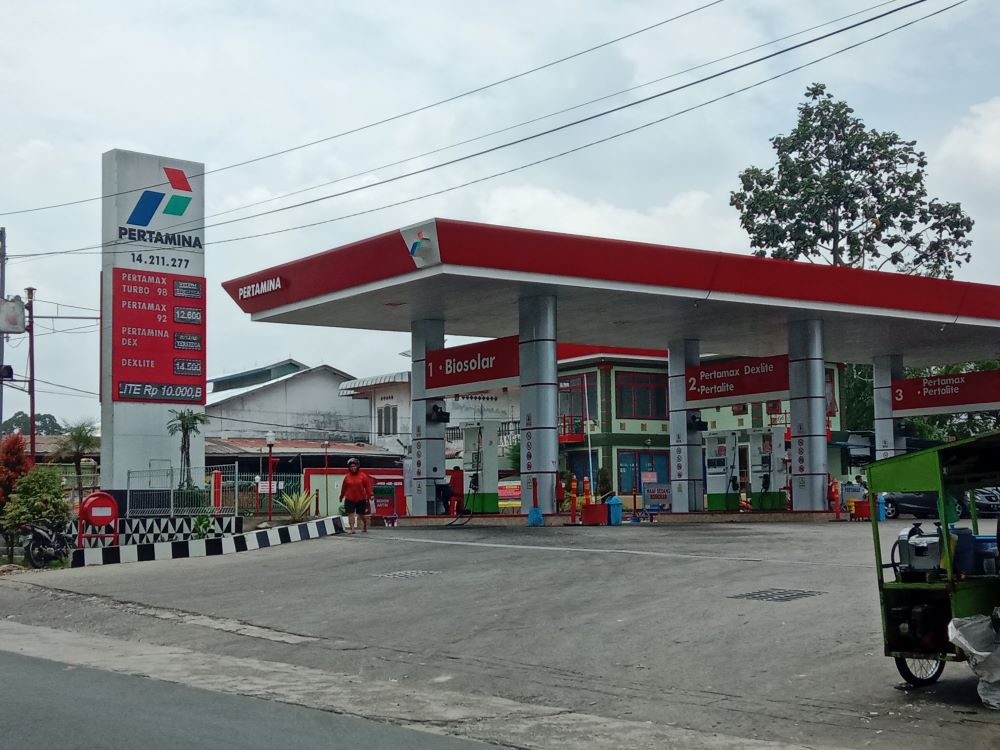
FUEL distribution practices for Pertalite in Pematangsiantar city have come under intense scrutiny. A stark contradiction has emerged between strict enforcement of barcode requirements for ordinary motorists and the rampant sale of bottled Pertalite fuel sold on roadsides, allegedly sourced from illegal practices at public petrol stations.
Jon Roi Tua Purba, Chairman of the Pematangsiantar Branch Council of the Young Christian Movement Organisation of Indonesia (DPC GAMKI), raised these concerns with Media Indonesia on Wednesday (11 March).
The alarm was sounded following discoveries along the main roads of Pematangsiantar city. “On one hand, petrol stations have begun enforcing strict barcode requirements for every Pertalite purchase. On the other hand, supplies of Pertalite for bottle retailers are flooding the roadside,” said the alumnus of UGM’s Masters in Public Administration.
A resident recounted their bitter experience attempting to purchase Rp80,000 worth of Pertalite for operational needs at a petrol station. Staff refused service, citing a new mandatory barcode rule that had been in effect for the past three days.
“It is highly ironic. Those buying for operational needs of just tens of thousands of rupiah are obstructed for lacking a barcode, whilst bottled Pertalite is rife along the main roads. This warrants investigation into its source — surely it stems from collusion between petrol station staff and jerrycan traders,” Jon Roi said firmly.
Evidence suggests large-scale fuel filling using jerrycans occurring at specific times — late night and dawn — allegedly without proper barcode procedures and involving cooperation from corrupt petrol station personnel.
“This practice is believed to be the primary cause of fuel shortages and strict rationing during the day, as fuel stocks have been illegally allocated to major retailers or fuel trafficking networks,” he added.
Jon Roi described this as a serious violation of the constitution and applicable regulations, specifically Law No. 22 of 2001 on Oil and Natural Gas. Article 55 states that anyone who misuses the transportation and/or trade of government-subsidised fuel faces imprisonment of up to six years and fines up to Rp60 billion.
The GAMKI chairman urged Pertamina Patra Niaga Regional Sumbagut and law enforcement authorities (Pematangsiantar Police) to conduct raids and audits of petrol station CCTV systems.
“We have identified these problematic petrol stations. If improper practices continue, we will report them to authorities. The barcode regulation must not become a weapon to suppress ordinary citizens whilst the back doors of petrol stations remain wide open for fuel trafficking networks,” Jon Roi said.