
Petrol Mixed with Ethanol: Does It Really Make the Engine Sluggish? Expert Explanation
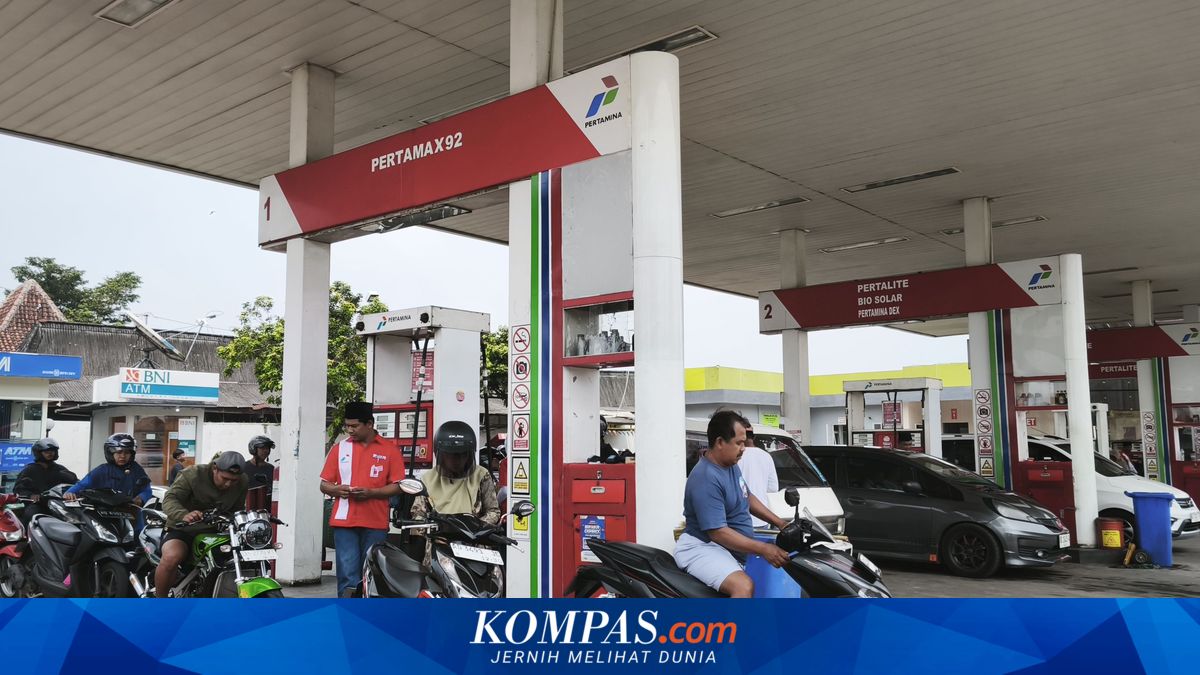
JAKARTA, KOMPAS.com - The issue of mixing ethanol into fuel oil (BBM) is gaining momentum alongside the government’s push to expand the use of renewable energy and reduce dependence on petrol imports.
This policy has sparked questions about its impact on vehicle performance, particularly regarding engine power and fuel consumption.
The government has previously announced plans to develop bioethanol as a petrol additive, even up to higher concentrations in the coming years. This step is part of the national energy transition strategy amid global oil price pressures.
“The energy content of ethanol is around 28 megajoules per kilogram, whereas petrol is about 40 megajoules per kilogram. If mixed at around 3 to 5 percent, the reduction is only about 1 percent,” he said to Kompas.com on Tuesday (31/3/2026).
Tri explained that with this composition, changes in performance such as acceleration or top speed would be almost unnoticeable in daily use.
“The 1 percent reduction is practically imperceptible, both in terms of fuel consumption, acceleration, and the vehicle’s top speed,” he said.
He added that the tolerance limit for performance reduction allowed under the international World Wide Fuel Charter standard is even up to 2 percent. This means that low-level ethanol mixtures remain within a safe range.
Nevertheless, compatibility aspects still need to be considered. For vehicles that comply with the latest emission regulations, using petrol mixed with ethanol up to around 10 percent is still acceptable without significant issues.
However, for older vehicles, there is potential risk to certain materials. Components made of natural rubber may experience swelling, while metals without corrosion resistance are at risk of faster damage.
With the right approach, the use of ethanol as a BBM additive is seen as a viable long-term energy solution without sacrificing vehicle performance.