
Perumda to Operate Independent Waste Management at Nine Markets in Badung from Next Month
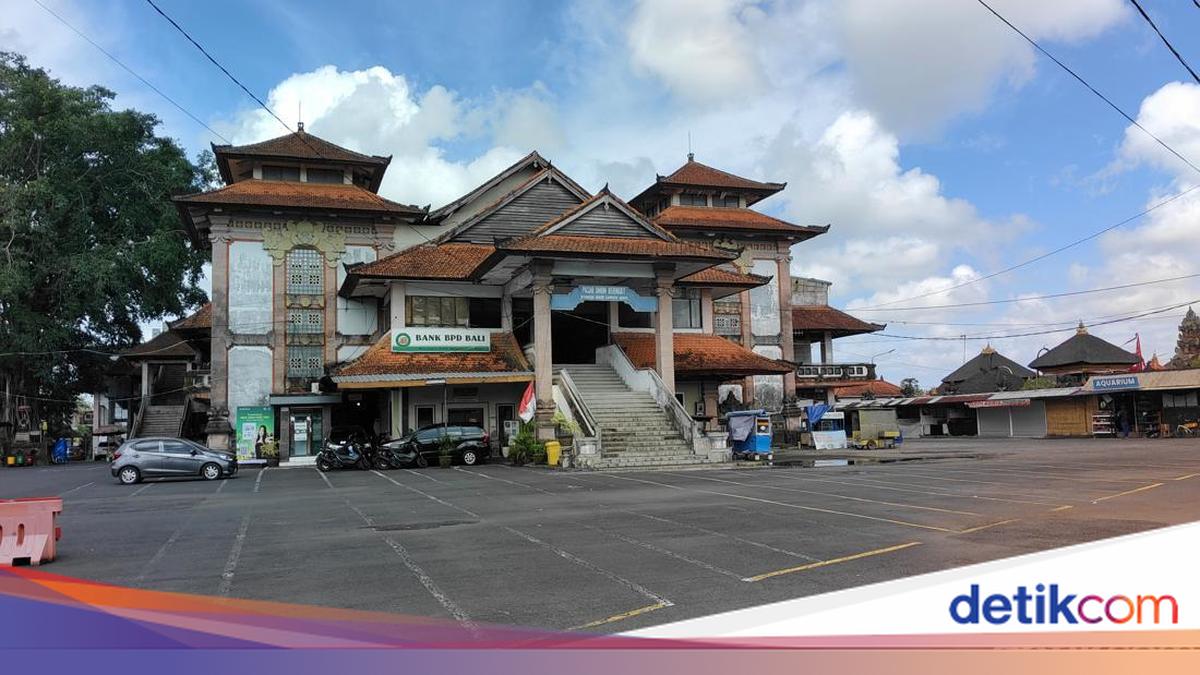
Perumda Pasar dan Pangan Mangu Giri Sedana (MGS) is examining an independent waste management programme at nine markets under its administration. This initiative supports the Badung Regency Government’s programme to accelerate waste management at source and limit disposal to Suwung Landfill.
The Chief Executive of Perumda Pasar dan Pangan MGS, Kompiang Gede Pasek Wedha, stated that waste generated by the markets will be processed directly at the market locations. The processed waste is planned to be utilised as compost.
“Market waste will be processed on-site so that we can hopefully produce compost. The plan is to mix the processed waste with animal manure at Pasar Beringkit to create quality fertiliser,” said Chief Executive Kompiang Gede Pasek Wedha on Saturday (14 March 2026).
The programme is targeted to commence in April 2026 with composter machines being installed at several markets. Pasar Kuta 2 has been selected as a pilot project as it is located in a tourism area and generates a considerable daily waste volume.
“The target is to start next month, and Pasar Kuta 2 will serve as the pilot because it produces nearly 2 tonnes per day. We are working to complete the upstream systems, so we will be installing composter machines there,” said Kompiang.
The nine markets managed by Perumda MGS include Pasar Petang, Pasar Desa Sembung, Pasar Tenten Taman Ayun Mengwi, Pasar Hewan Beringkit, Pasar Umum Beringkit, Pasar Desa Kapal, Pasar Kuta 1, Pasar Kuta 2, and Pasar Nusa Dua.
Perumda MGS management also disputed claims that traders were being asked to take their waste home. The company has instead issued a Decree (SK) requiring traders to separate organic and inorganic waste at designated facilities.
Whilst awaiting the full implementation of the independent processing system, waste collection continues through partnerships with third parties or foundations. However, the operational costs of such transportation are considered a significant burden on the company’s finances, reaching tens of millions of rupiah monthly.
“Transportation costs for Pasar Kuta 1 and Kuta 2 alone total approximately IDR 30 million per month, so this is what we aim to save once the independent processing programme is operational. Until we begin processing waste ourselves, we continue to require traders to separate waste and it remains transported by our waste management partners,” concluded Kompiang.