
Pertamina vessel trapped in the Strait of Hormuz, government prepares oil imports from the United States
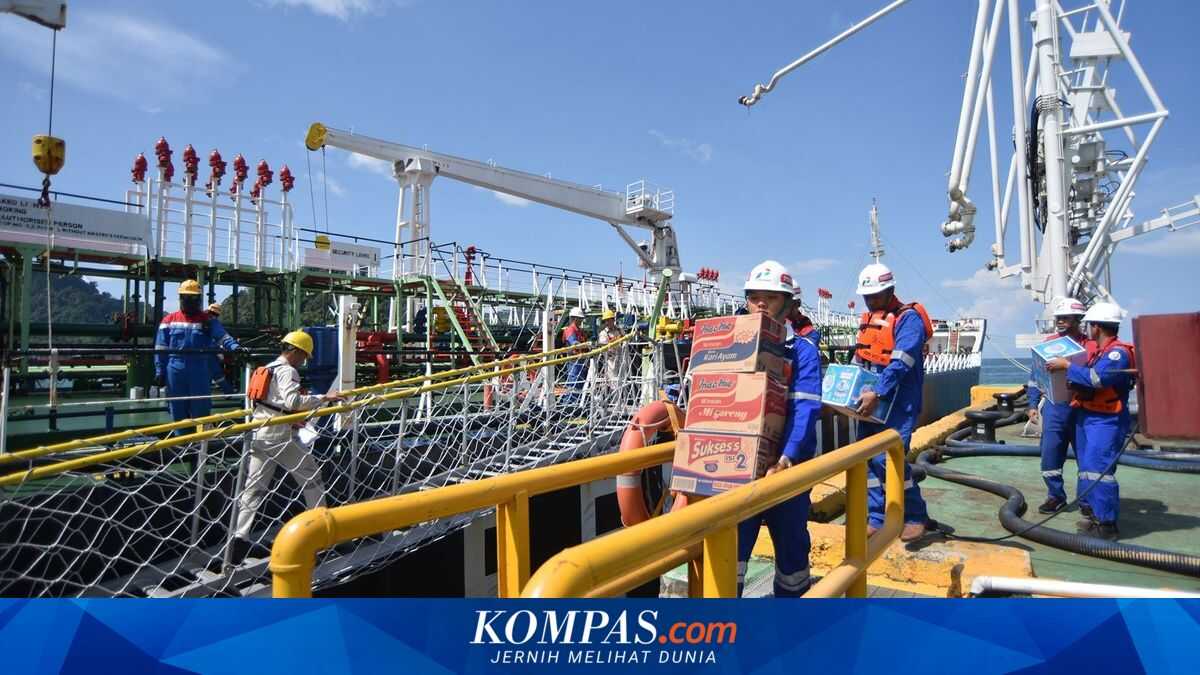
PT Pertamina International Shipping (PIS) vessel Gamsunoro is reportedly trapped in the Strait of Hormuz on Monday, 2 March 2026. It is currently loading at Khor al Zubair port, Iraq. There are also three other PIS ships in the Persian Gulf: Pertamina Pride at Ras Tanura, Saudi Arabia (loading completed); PIS Paragon (discharge) in Oman; and PIS Rinjani at Khor Fakkan, United Arab Emirates. PIS continues to monitor developments in the Strait of Hormuz and is working to remove the vessels from the area, with crew safety as the top priority.
“At present, our fleet team is maintaining intensive communications with the operators to coordinate and ensure the safety of the crew and ships,” said Vega Pita, PIS Acting Corporate Secretary, quoted by Kompas.com, Monday 2 March 2026.
With the stranding of the Pertamina vessel, the government is preparing to import oil and LPG from the United States to ensure energy supply remains secure amid the tensions in the US–Israel–Iran conflict. “Even if it cannot be released, we have sought alternatives for crude sources and have found them. So I think this is not a problem, not a very critical issue,” said Energy and Mineral Resources Minister (ESDM) Bahlil Lahadalia, on Tuesday 3 March 2026. “Twenty-five percent of the total crude we order from the Middle East will be redirected to the US,” added Bahlil.
This plan to shift imports is also part of the Indonesia–US Agreement on Reciprocal Trade (ART), with a commitment to purchasing energy products worth USD 15 billion (about IDR 253 trillion, at an exchange rate of IDR 16,900 per USD).
“Even though information has been circulated that the tensions will end in a timeframe some say five days, others say four weeks. But our confidence, after conducting studies, is that we cannot forecast when it will end. It could be quick, it could be slow,” said Bahlil.
In broad terms, the government remains reliant on crude oil imports to meet national energy needs.