
Pertamina Strengthens Energy Security Through Portfolio Integration and LNG Infrastructure
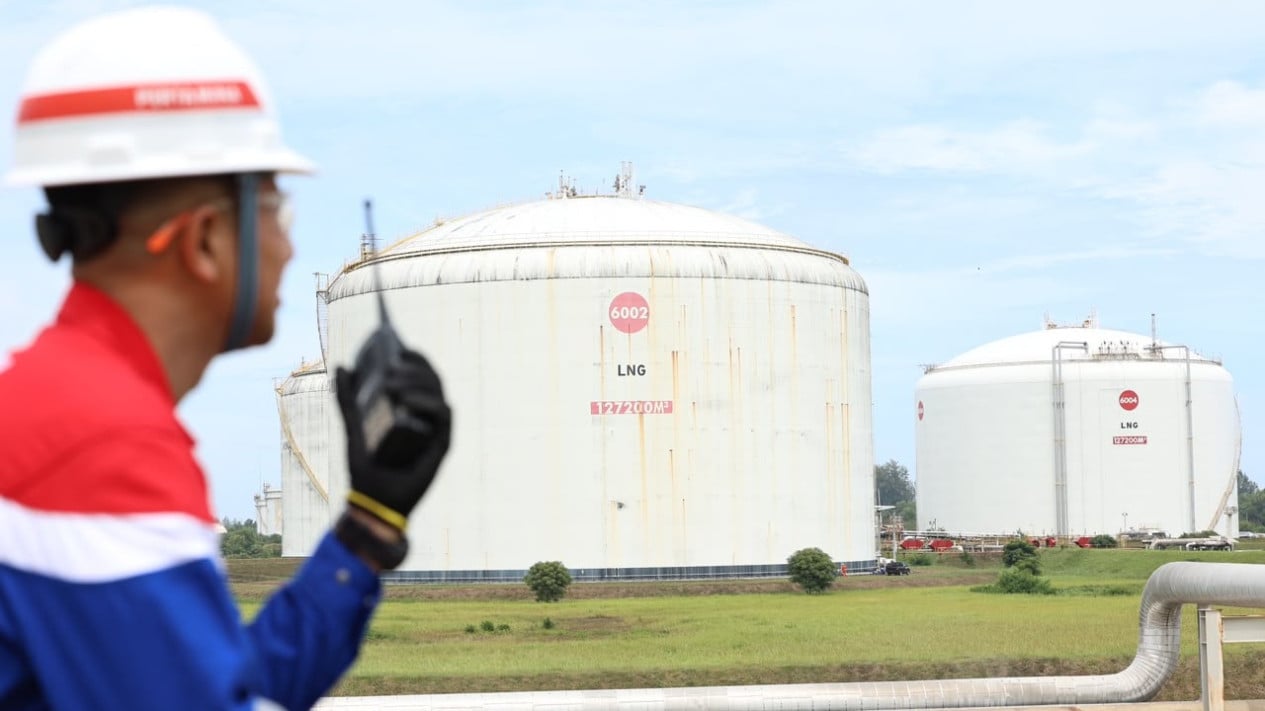
PT Pertamina (Persero) is strengthening its national energy security strategy through increasingly flexible and integrated LNG portfolio management, combining domestic and global supply sources, supported by LNG and gas infrastructure across various regions of Indonesia.
The strategy was one of the key focuses brought by Pertamina to Gastech 2026 in Bangkok, Thailand. Pertamina’s presence at the global energy forum forms part of efforts to broaden connectivity with players in the world energy industry, whilst strengthening opportunities to develop its LNG portfolio and business amid changes in the global energy landscape.
Market volatility, geopolitical dynamics, and growing energy demand mean energy security is no longer determined solely by the volume of supply, but also by the ability to secure the right energy sources, at the right time and location, at competitive cost.
Muhammad Baron, VP of Corporate Communication at PT Pertamina (Persero), said diversification of sources and portfolio flexibility are an important part of maintaining energy security amid global market dynamics.
“For Pertamina, energy security is not only about how much supply is available, but also the ability to obtain energy from the right sources, at the right time, at competitive cost. That is why diversification of sources and LNG portfolio flexibility are important to strengthen Indonesia’s energy security,” said Baron.
To enhance this flexibility, Pertamina is developing an LNG portfolio from various sources. In addition to optimising domestic supply, Pertamina holds an international portfolio, including from Australia and the United States. This diversification gives Pertamina room to adjust supply sources and delivery patterns according to needs, market conditions, and economic considerations.
This supply flexibility is reinforced by the Pertamina Group’s LNG and gas infrastructure, including Perta Arun Gas, Nusantara Regas, the Jawa-1 LNG receiving terminal, and PGN’s gas pipeline network spread across various regions of Indonesia.
The integration of supply sources, receiving and storage infrastructure, regasification, pipeline networks, and distribution forms the foundation for building a more adaptive LNG supply chain. With this ecosystem, LNG can be managed according to need, from receiving and storage through to regasification and distribution to various regions.