
Pertamina Patra Niaga: Oil refineries operating at maximum capacity
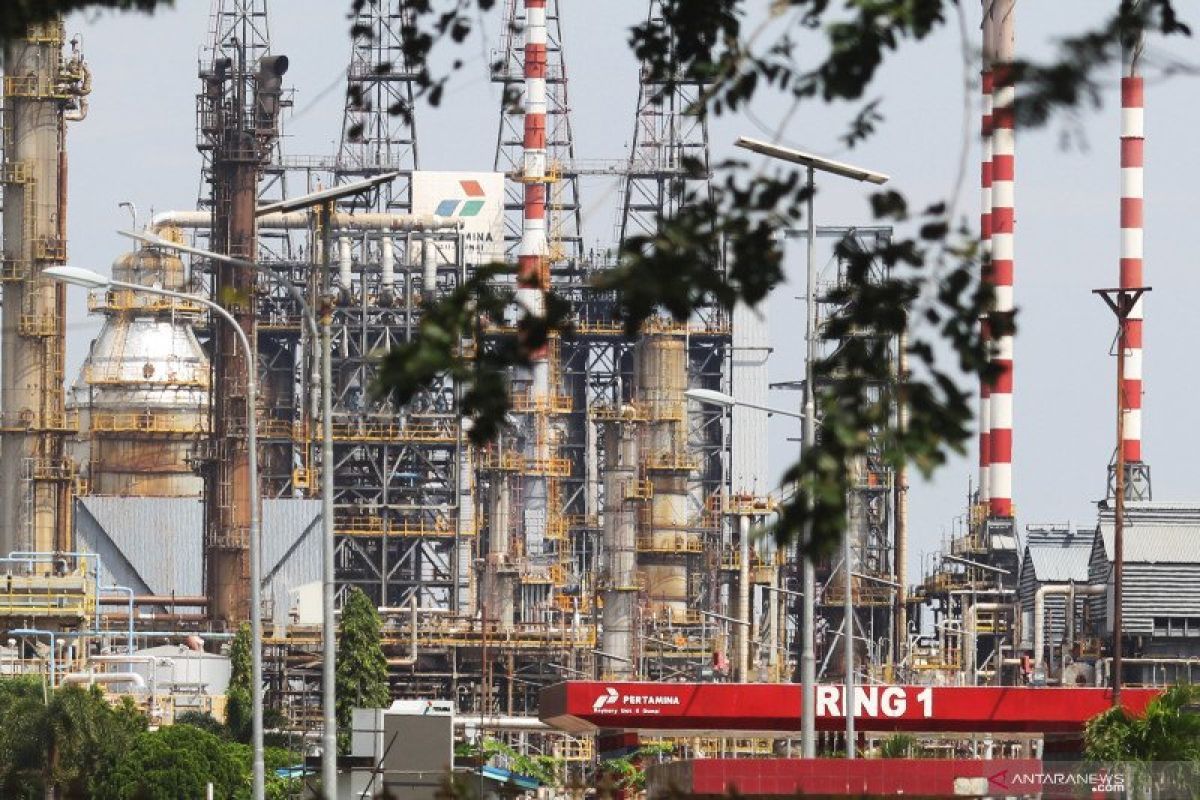
Jakarta — PT Pertamina Patra Niaga has disclosed that its oil refineries are operating at maximum capacity to meet national consumption requirements.
“Our refinery production is already at maximum capacity. So we operate the refineries at maximum production output in terms of quantity,” stated Pertamina Patra Niaga Chief Executive Officer Mars Ega Legowo Putra at the Km 57 Rest Area in Cikampek, West Java, on Monday.
According to him, the focus is on generating as much quantity as possible from these refineries. Pertamina Patra Niaga is no longer oriented towards profit optimisation at the refinery level. With increasing demand, the company recognises that product availability is more important than profitability.
“Our task is to ensure availability, accessibility, acceptability, and affordability. So we prioritise availability, which means refinery operations are in maximum quantity production mode. Currently, production stands at approximately 1.1 million barrels,” he stated.
“We have communicated that our refinery mode is set to maximum quantity output—maximising volume production. With this operational shift, we hope to maintain and preserve our stock availability always at safe levels,” said Mars Ega Legowo Putra.
Pertamina Patra Niaga continues to monitor product distribution to petrol stations nationwide. Occasionally, certain regions face distribution disruptions due to traffic congestion, weather challenges, natural disasters, or facility damage.
“On the production side, we are pleased to report that our refineries in Dumai, Plaju, Balongan, Cilacap, Balikpapan, and Sorong are operating at maximum capacity,” stated Mars Ega Legowo Putra.
Pertamina Patra Niaga Fleet Logistics Director Arif Yunianto explained that maritime transport plays a crucial role in maintaining national energy security, particularly for Indonesia as an archipelagic nation.
“Currently, the downstream subholding operates more than 345 vessels and continues to expand as needed to transport crude oil, fuel products, and liquefied petroleum gas. Approximately 60 per cent of Central Java’s liquefied petroleum gas distribution is supported by vessels like these,” he explained.