
Pertamina Patra Niaga ensures fuel and LPG supplies remain secure during Ramadhan and Eid al-Fitr
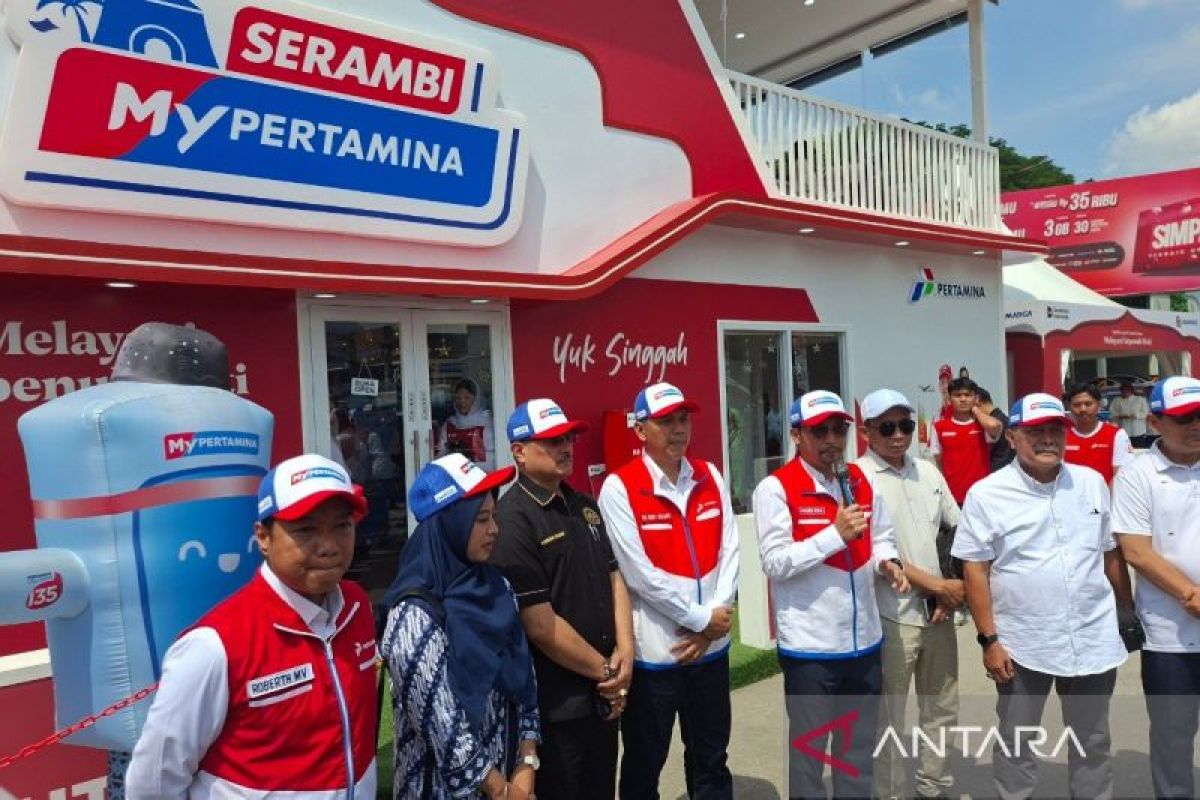
Jakarta — PT Pertamina Patra Niaga has assured the public that energy services, including both petroleum fuel and LPG, are secure throughout Ramadhan and Eid al-Fitr.
“We are committed to ensuring energy services remain secure during this Ramadhan and Eid al-Fitr period, and we urge the public to avoid panic buying,” said Pertamina Patra Niaga Chief Executive Mars Ega Legowo Putra at a rest area at kilometre 57 on the Cikampek highway, West Java, on Monday.
Pertamina Patra Niaga has prepared both fuel and LPG in sufficient quantities, as the supply process began well in advance, not merely in recent weeks but immediately following the Christmas and New Year periods.
“We have prepared fuel and LPG for the Ramadhan and Eid al-Fitr period since after Christmas and New Year,” Legowo Putra stated.
Pertamina Patra Niaga has also established special attention services for regions requiring dedicated distribution, including disaster-prone areas, tourism destinations, and remote areas.
Energy and Mineral Resources Minister Bahlil Lahadalia reported to President Prabowo Subianto that petroleum fuel and liquefied petroleum gas reserves are in a secure condition ahead of Eid al-Fitr 1447 Hijri/2026.
Bahlil stated that reserves of various fuel types currently exceed minimum thresholds and are sufficient to meet public demand during the Eid period.
He explained that reserves of Special Designation Fuel Type (JBKP) RON 90 stand at approximately 24.39 days. General Fuel Type (JBU) RON 92 reserves are recorded at approximately 28 days, whilst RON 98 stands at about 31 days.
For subsidised diesel, reserve capacity reaches approximately 16.41 days, whilst CN 53 diesel stands at about 46 days and aviation fuel at approximately 38 days.
Bahlil also stated that national LPG supply remains secure despite dynamics in the global distribution chain.
According to him, approximately 70–72 percent of Indonesia’s LPG imports originate from the United States, approximately 20 percent from the Middle East, and the remainder from various other countries.
To address supply uncertainty from the Middle East, the government has implemented measures including opening additional sourcing opportunities from the United States and other nations such as Australia.
Diesel supply remains relatively stable as production occurs entirely domestically.
This situation is further supported by the operation of the Refinery Development Master Plan (RDMP) project in Balikpapan commencing in January 2026, which increases national refinery production capacity.
The project is anticipated to reduce petrol imports by approximately 5.5 million tonnes and diesel by approximately 3.5 million tonnes annually.