
Pertamina Patra Niaga continues fuel supply to regions ahead of Eid 2026
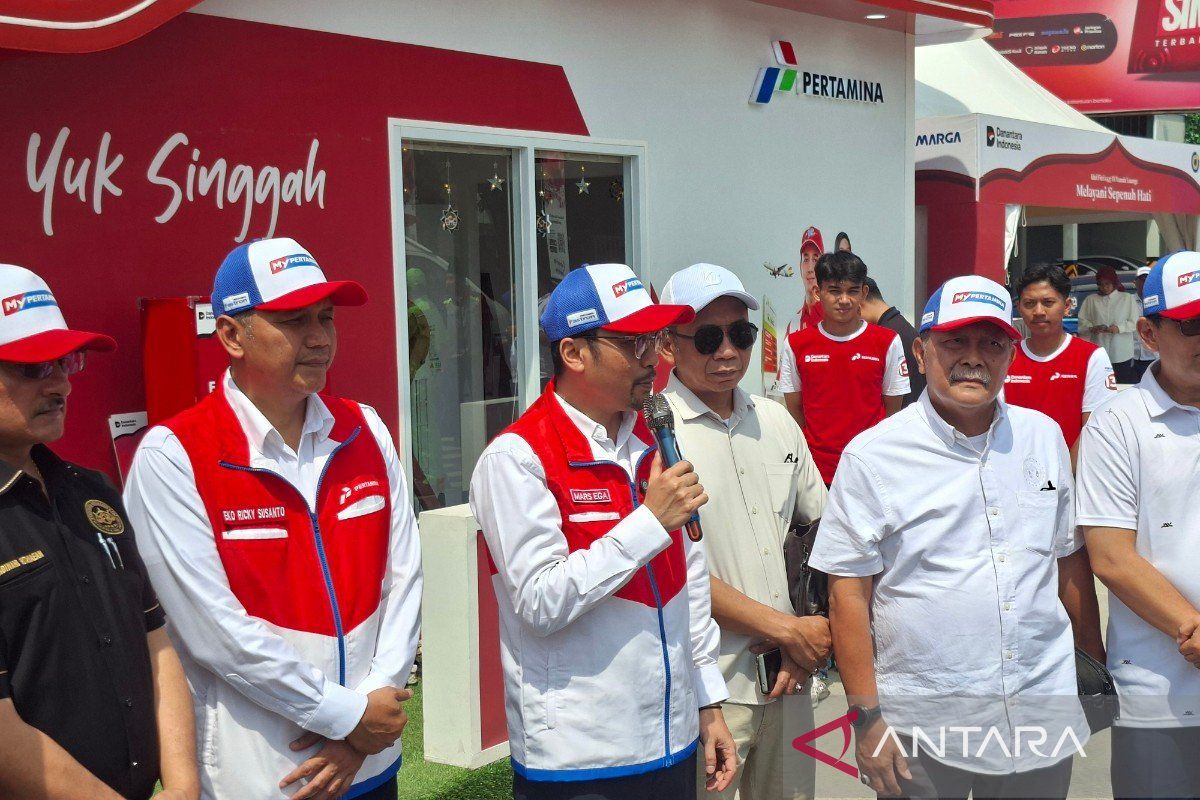
Jakarta – PT Pertamina Patra Niaga is continuing to supply fuel in order to serve the community across various regions, including remote areas in Indonesia ahead of Eid 2026.
“For the regions, we have already conducted stock build-up; we have provided special attention services for remote areas where access is difficult, and we have actually already conducted stock build-up,” said Pertamina Patra Niaga Chief Executive Mars Ega Legowo Putra at the Cikampek Rest Area, Km 57, West Java, on Monday.
He added that Pertamina’s tanker trucks are continuously supplying fuel to various regions.
“Several locations that had become issues were checked by me last night, and our tanker trucks continue to make deliveries, such as in West Kalimantan, Riau, and several areas in East Java. We continue to make deliveries and there are no obstacles from the fuel stock side at our fuel terminals,” he said.
Previously, a member of the Downstream Oil and Gas Regulatory Body (BPH Migas) Committee, Fathul Nugroho, assured that crude oil fuel stocks in Indonesia remain secure amid Iran’s closure of the Strait of Hormuz.
The public was urged to remain calm and not panic over the turmoil of war in the Middle East.
The Indonesian government is considered to have prepared several alternatives to address the potential shortage of fuel imports from that region.
Currently, 19 per cent of Indonesia’s crude oil imports come from Saudi Arabia or the Middle East.
Nevertheless, the government has prepared preventive measures by importing oil from countries not affected by the conflict.
Meanwhile, he explained that 81 per cent of Indonesia’s crude oil imports come from countries not affected by or involved in the Middle East conflict.
He detailed that Indonesia imports the most crude oil from Nigeria at 34.07 million barrels from April 2025 to March 2026, or approximately 25 per cent of total imports.
Next is Angola at 28.50 million barrels (21 per cent), other countries at 47.40 million barrels (35 per cent), whilst Saudi Arabia is recorded at 28.50 million barrels, or approximately 19 per cent.