
Pertamina Jatimbalinus Prepares Mitigation for WFH Plan
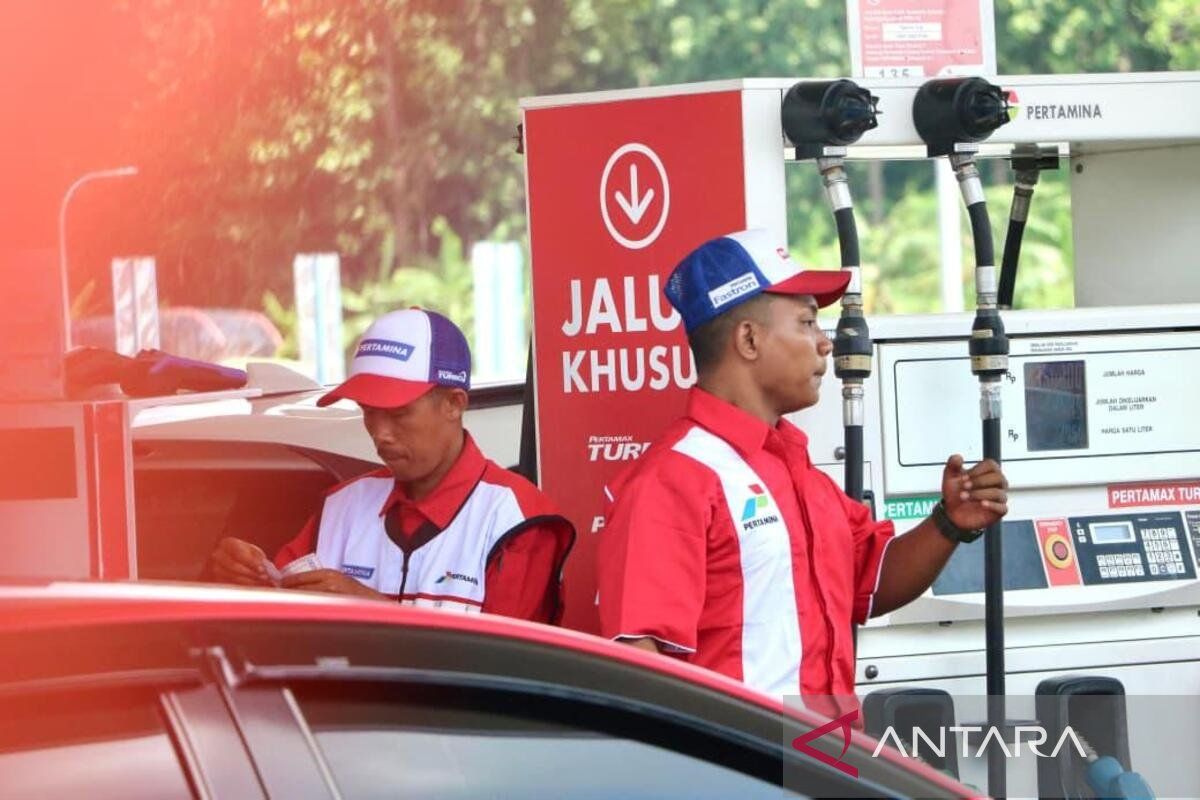
“We will adjust after the policy is implemented,” said Ahad Rahedi, Manager of Communication, Relations, and CSR for the East Java, Bali, and Nusa Tenggara Region, when contacted in Denpasar, Bali, on Thursday. According to him, the mitigation includes adjustments to fuel distribution in the area if the government’s one-day WFH policy is implemented. “Yes (distribution adjustments), of course, while continuously evaluating the policy’s implementation,” he added. The company is currently observing the sectors that will be subject to the government’s WFH policy, as it has the potential to save fuel consumption. “It depends on the form of the policy, which sectors are included, it will certainly have an impact (on consumption),” he added. Currently, the East Java Provincial Government has announced plans for WFH for government employees (civil servants/ASN) every Wednesday starting in April 2026. Meanwhile, other regional governments, including Bali Province, have not yet officially announced WFH plans for ASN. Based on data from Pertamina Patra Niaga Jatimbalinus, the average daily consumption of gasoline in Bali reaches 3,129 kilolitres, diesel (gasoil) averages 654 kilolitres per day, liquefied petroleum gas (LPG) averages 960 metric tons per day, and avtur averages 2,078 kilolitres per day. Meanwhile, the Central Government is finalising the implementation timeline for the one-day WFH, targeted to reduce fuel consumption by up to 20%. Previously, Finance Minister Purbaya Yudhi Sadewa stated that the government has decided on the work-from-home (WFH) policy and it will be announced soon. The WFH policy, particularly for ASN, is being considered in light of the impact of the Middle East conflict, which has driven up global oil prices above 100 US dollars per barrel. This figure exceeds the 2026 State Budget macro assumption of 70 US dollars per barrel. Several countries have since taken steps to improve fuel consumption efficiency. Even the Philippines has become the first country in the world to declare an energy emergency following the US-Israel-Iran conflict.